



linen blend fabric
Key Takeaways
Linen blend fabric gives you the breathability and texture of pure linen with added softness, drape, or stretch depending on what it is blended with. Cotton, rayon, and silk blends each behave differently on the cutting table and on your body, so knowing what you are working with before you buy saves real frustration later.
- The fiber blended with linen determines drape, care requirements, and how much the fabric wrinkles.
- Linen-cotton blends are the most forgiving for beginners and hold a pressed seam beautifully.
- Linen-rayon blends drape more fluidly than pure linen and suit bias-cut or relaxed silhouettes well.
- Pre-washing linen blends before cutting is non-negotiable, especially for cotton and rayon combinations.
- Thread choice and needle size matter more with linen blends than many sewists expect.
What Linen Blend Fabric Actually Is (and Why the Blend Ratio Matters)
Linen blend fabric is any woven textile that combines linen fiber with at least one other fiber, most often cotton, rayon, silk, or a small percentage of a synthetic like nylon. The linen content typically runs between 45 and 85 percent, and that range changes everything about how the fabric behaves. A 55% linen / 45% cotton fabric acts almost like a sturdy shirting. A 70% linen / 30% silk blend moves closer to a lightweight suiting with a quiet sheen. Before you cut a single piece, you want to know that ratio because it affects shrinkage, how crisp a seam stays, and what iron temperature you can use safely. Many makers buy a linen blend expecting pure-linen behavior and end up with something that puckers along the selvage or shifts on the bias. Reading the fabric content label and doing a simple burn test on a scrap can save you a lot of grief at the finishing stage.
The Most Common Linen Blends and How They Sew
Each blending partner changes linen's natural character in a specific direction, and understanding those differences helps you match the fabric to the right pattern and the right maker.
Linen-Cotton Blends
Linen-cotton blends are the workhorse of the group. The cotton softens linen's slightly scratchy hand and reduces the sharp wrinkling that drives some sewists away from pure linen. Garments like the Grainline Studio Merchant and Mills Top, or the Closet Core Sienna Maker Dress, work exceptionally well in a good linen-cotton because the fabric presses flat at seams but still has enough body to hold a collar or a structured yoke. The tradeoff is that linen-cotton blends wrinkle more than a rayon blend and have less drape than silk blends. They are, however, the easiest to care for. Most can be machine washed on a gentle cycle after pre-washing, which matters for everyday wearable garments. A mid-weight linen-cotton at around 5 to 6 ounces per yard is a good target for tops and dresses.
Linen-Rayon Blends
Add rayon to linen and you get a fabric that drapes noticeably more than either fiber alone. Linen-rayon blends feel softer straight off the bolt and have a slight fluid movement that suits the True Bias Salida Top or a wide-leg trouser with a relaxed fit. The tradeoff is real: rayon absorbs water quickly, which means these blends can shrink significantly in the wash, sometimes 5 to 8 percent lengthwise. Pre-washing twice in warm water before cutting is the standard practice here. Linen-rayon also shifts more on the cutting table, so using pattern weights rather than pins and cutting single layers when possible gives you more accurate pieces. The reward for that extra care is a finished garment with beautiful movement that hangs well on most body types.
Linen-Silk Blends
Linen-silk is less common in home sewing fabric shops but worth seeking out for special projects. The silk adds a quiet luster and a smooth hand that makes the fabric feel genuinely luxurious, while the linen keeps it from being too slippery to cut and sew. A linen-silk blend at 50/50 or close to it reads as refined on the body, making it a strong choice for a blazer lining, a casual evening blouse, or a Cashmerette Upton Dress in a lighter weight. The care requirement is hand-wash or dry-clean depending on the silk content, which limits its appeal for everyday garments. Needle choice matters here: a sharp 70/10 or 80/12 Microtex needle reduces puckering at seam lines, which is the most common frustration sewists report with linen-silk blends.
Pre-Washing and Cutting: Where Most Mistakes Happen
Linen blends shrink, and some of them shrink a surprising amount. The general guidance from the USDA Agricultural Marketing Service on textile labeling requires manufacturers to list fiber content, but it does not require shrinkage disclosures on the bolt. That gap puts the testing work on you. The practical rule is to pre-wash any linen blend in the same way you plan to launder the finished garment. If you plan to machine wash the finished blouse, machine wash the yardage first. For linen-rayon, two wash cycles before cutting is safer than one. After washing, press the fabric on the appropriate heat setting while it is still slightly damp, then let it rest flat for 20 minutes before cutting. This step removes the stretch from the fibers and gives you a stable surface to work with. Skipping it is the most common reason a finished linen garment comes out shorter than the pattern size suggests. For more detailed guidance on working with natural fiber linens, see our full resource on linen fabric online.
Thread, Needles, and Notions That Work With Linen Blends
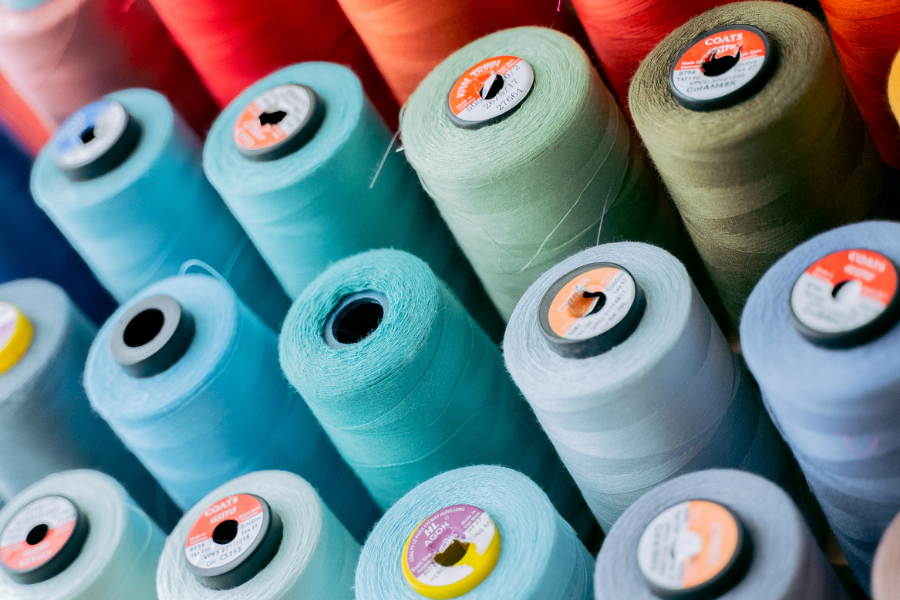
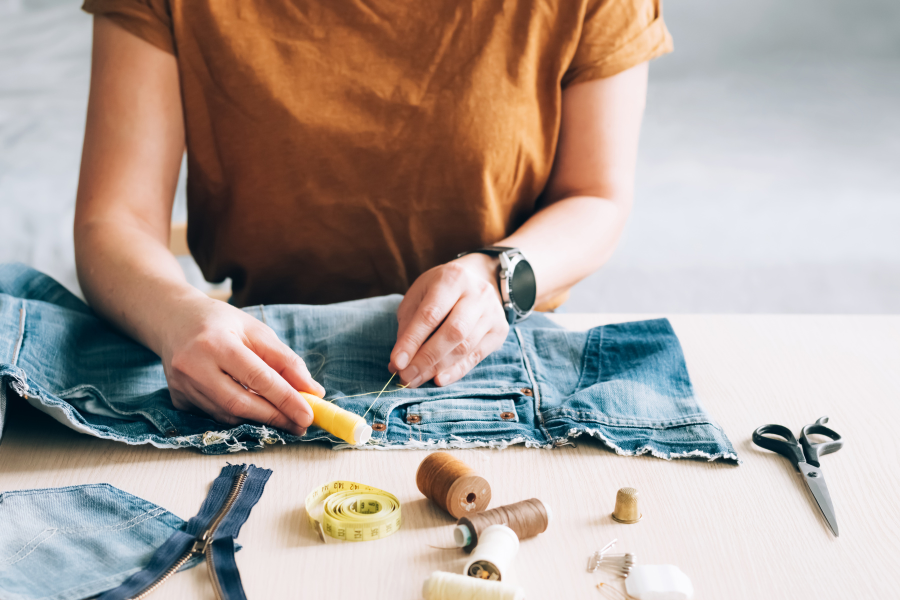
Linen fiber is strong but not especially elastic, which creates a specific set of needs at the machine. Cotton or cotton-wrapped polyester thread in a weight that matches the fabric is almost always the right call. A 50-weight Aurifil cotton thread, for example, buries into linen-cotton seams without creating the raised ridge you sometimes see with heavier threads. For linen-silk or linen-rayon, a 60-weight silk or fine cotton thread reduces puckering at the seam line. Needle size is equally important. A universal 80/12 is a reasonable starting point, but switching to a Microtex sharp needle in the same size improves stitch quality noticeably on tightly woven linen blends. Change the needle every 6 to 8 hours of sewing time, because linen fiber is dense and dulls needles faster than cotton quilting fabric. For closures, metal snaps and quality resin buttons hold up better on linen blends than plastic alternatives that can crack when you press at high heat.
Frequently Asked Questions
What is the best linen blend fabric for beginners?
A linen-cotton blend with 45 to 55 percent cotton content is the most forgiving starting point. It presses well, frays less aggressively than pure linen, and tolerates machine washing after pre-washing. Look for a mid-weight around 5 ounces per yard, which gives you enough body to see seam lines clearly without being stiff to handle.
Does linen blend fabric wrinkle as much as pure linen?
It depends on the blending fiber. Linen-cotton blends wrinkle almost as much as pure linen. Linen-rayon blends wrinkle noticeably less because rayon has more give. Linen-silk blends fall somewhere in between. No linen blend is wrinkle-free, but the drape in rayon blends makes light wrinkling look intentional rather than neglected.
Can I machine wash linen blend fabric?
Most linen-cotton blends can be machine washed on a gentle cycle in cool to warm water after thorough pre-washing. Linen-rayon blends are more delicate and do better with hand washing or a machine delicate cycle. Linen-silk blends should be hand washed or dry cleaned depending on the silk percentage. Always check the fabric content before washing.
How do I stop linen blend fabric from fraying while I sew?
Serge or zigzag stitch the cut edges immediately after cutting, before you sew any seams together. This is especially important for linen-rayon blends, which ravel quickly. A French seam is another option for lightweight linen blends and creates a clean finish on the inside of a blouse or dress with no raw edges exposed.
What patterns work well with linen blend fabric?
Relaxed, unstructured silhouettes suit most linen blends well. Grainline Studio's Merchant and Mills Top, the Closet Core Sienna Maker Dress, and True Bias wide-leg trousers are popular choices in the indie sewing community. For linen-silk blends, look for patterns with fewer gathers and cleaner seam lines so the fabric's natural drape shows clearly.
Is linen blend fabric suitable for pants?
Yes, and it performs well there. A linen-cotton blend gives you the structure for a trouser that holds its shape through a workday. A linen-rayon blend makes a more fluid wide-leg pant. The key is cutting on-grain precisely and pre-washing thoroughly, because pants that shrink after the first wash are genuinely difficult to salvage.
How do I press linen blend fabric without damaging it?
Use a press cloth between the iron and the fabric, especially for linen-silk blends. Linen-cotton tolerates a hot iron with steam well, which is one of its real advantages. Linen-rayon needs a lower heat setting because rayon can scorch or stretch under high heat. Press from the wrong side when possible and let seams cool flat before moving the piece.
Find the Right Linen Blend for Your Next Project at Sewing Studio Fabrics
Picking the right linen blend before you cut is one of the most useful habits you can build as a garment sewist. Whether you want the structure of a linen-cotton for a summer dress, the drape of a linen-rayon for a relaxed blouse, or the quiet elegance of a linen-silk for something a little more special, the right choice starts with knowing what you are working with. Our team at Sewing Studio Fabrics in Asheville loves helping makers find fabrics that actually suit their projects, not just fabrics that look good on the bolt. Shop our curated fabric selection at sewingstudio.com or visit us in Asheville.