
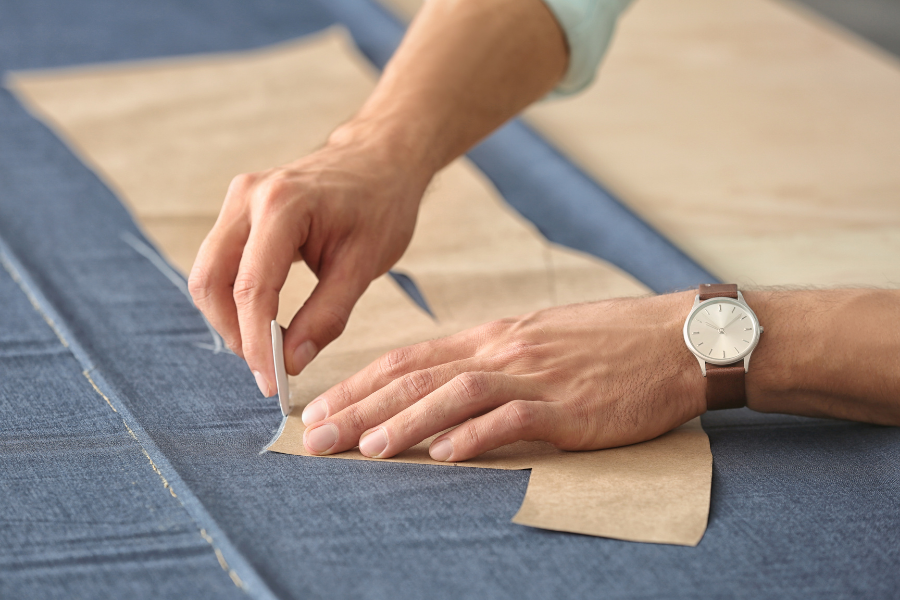
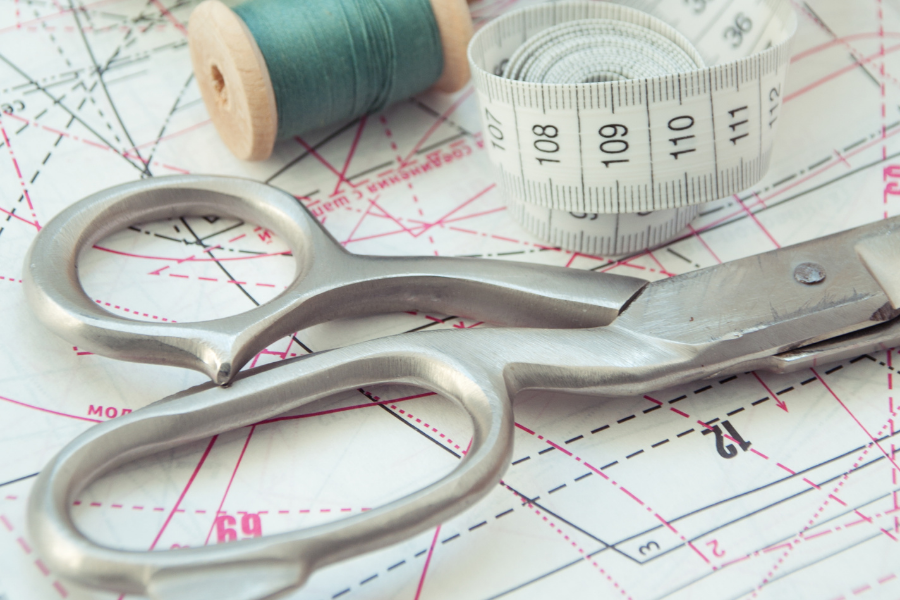
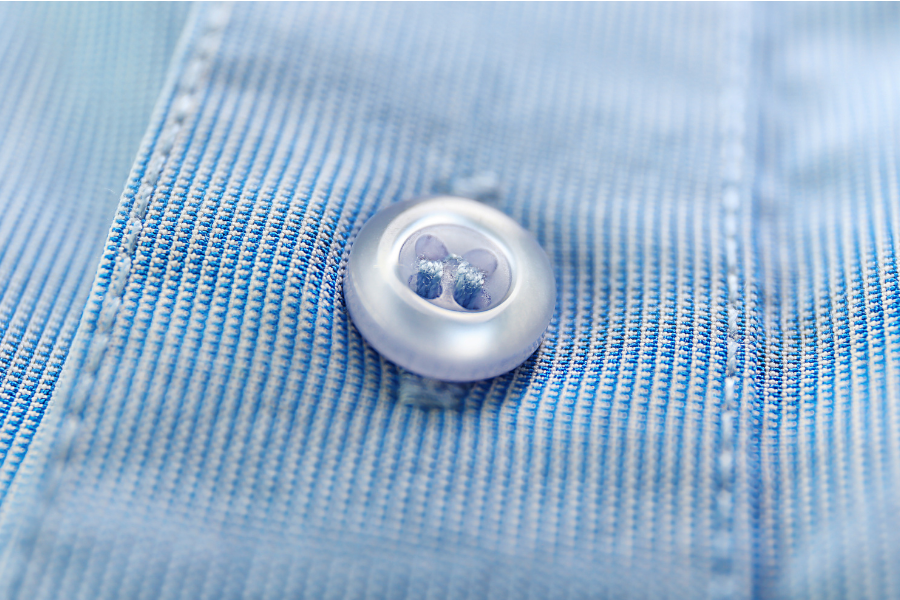


linen fabric for sewing
Key Takeaways
Linen is one of the most rewarding natural fibers to sew with, but it does require some preparation and the right technique. Choose a weight that matches your project, pre-wash before cutting, and press often. Once you understand how linen behaves, it becomes a go-to fabric for garments, bags, and home goods that only get better with age and washing.
- Pre-wash linen at least once (twice for darker colors) before cutting to prevent shrinkage and color bleed
- Linen weight ranges from 3 oz/yd² for sheer blouses to 10 oz/yd² for structured bags and upholstery
- French seams and flat-felled seams handle linen's tendency to fray better than a simple serged edge
- Linen wrinkles easily and that is not a flaw — it is part of the character, but a damp press cloth helps manage it during construction
- Indie patterns from Grainline Studio, True Bias, and Closet Core are frequently designed with linen in mind
Why Sewists Keep Coming Back to Linen
Linen has been woven for over 30,000 years, and it has earned every bit of that longevity. Made from the fibers of the flax plant, linen is stronger wet than dry, breathes better than cotton in summer heat, and softens beautifully with every wash. For sewists who want garments that last well past a single season, linen delivers. It is also one of the more sustainable natural fiber choices: flax requires significantly less water than cotton during cultivation, according to research published by the European Flax and Hemp Growers organization. The tradeoff is real, though. Linen wrinkles immediately and frays at cut edges faster than most other wovens. If those two qualities frustrate you, linen will test your patience. If you can work with them, linen becomes one of the most satisfying fabrics in your stash.
Understanding Linen Weights and Weaves
Not all linen fabric for sewing behaves the same way, and weight is the biggest variable to get right before you buy. Lighter linen, around 3 to 4 oz per square yard, has a soft drape similar to a medium-weight rayon. It works well for floaty blouses, gathered skirts, and loose dresses. Mid-weight linen, around 5 to 7 oz per square yard, is the workhorse of garment sewing. It holds a clean seam, presses flat, and works for structured tops, pants, and unlined jackets. Heavy linen at 8 oz and above is better suited for tote bags, structured aprons, or home goods like curtains and pillow covers. It is difficult to ease through curves and will not gather cleanly.
Weave Structure Matters Too
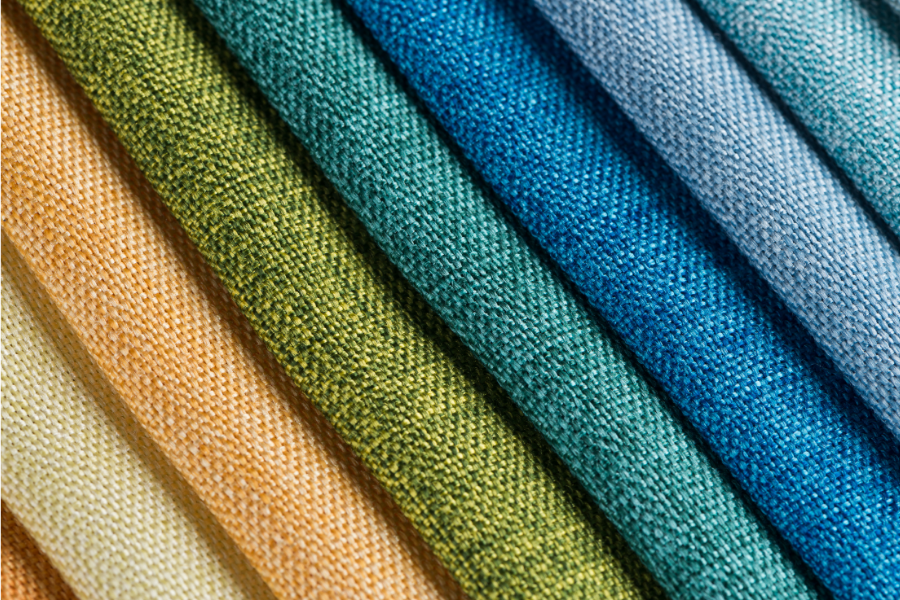
Plain-weave linen is the most common and shows that characteristic slub texture that many sewists love. Damask linen has a woven pattern and is typically used for table linens. Loosely woven linen gauze is incredibly airy but can stretch on the bias unpredictably. When you shop for linen fabric online, pay attention to both the listed weight and the weave description so you know what you are getting before the fabric arrives at your door.
Preparing Linen Before You Cut
Skipping the pre-wash on linen is one of the most common mistakes new-to-linen sewists make. Linen can shrink 3 to 5 percent in the first wash, and darker shades like navy, forest green, and black often bleed color significantly. Wash linen in warm water the way you plan to wash the finished garment. If you intend to machine wash on warm, pre-wash on warm. If you plan to hand wash, pre-wash by hand. For any fabric you are unsure about, run it through two wash cycles before cutting. After washing, press the linen while it is still slightly damp. This is actually the ideal moment to press linen because moisture reactivates the fibers and lets you get a truly flat, smooth piece of fabric to lay your pattern pieces on. Dry linen that has been wrestled through the dryer is much harder to press smooth, and you will chase wrinkles through the entire cutting process.
Grain Lines and Bias Behavior
Linen has a strong grain and it will tell you when you have pulled it off-grain. Gently tug the fabric on the cross grain after washing to straighten it before pressing. Linen on the bias has very little stretch compared to other wovens, which means bias-cut linen garments do not cling the way bias-cut silk or rayon does. This is a tradeoff worth knowing: a bias-cut linen dress will skim rather than drape. That can look intentional and beautiful, but it is not the same silhouette you will get with a more fluid fabric.
Sewing Techniques That Work Best for Linen
Linen frays at cut edges more aggressively than cotton or most synthetic blends. A standard zigzag finish works, but it is not the most durable choice for garments you plan to wear and wash repeatedly. French seams are ideal for lightweight linen blouses and dresses because they encase the raw edge completely and add a clean, polished interior. Flat-felled seams work well on mid-weight linen pants and jackets where you want durability and a sportswear-influenced finish. If you are using a serger, sew the seam first and then serge the allowances together rather than serging each piece individually before joining. This gives you better control over a fraying edge. Use a size 80/12 or 90/14 universal needle and a slightly longer stitch length, around 2.5 to 3 mm, for clean, even stitching that does not perforate the fabric too densely.
Pressing Throughout Construction
Press every seam open or to one side before you sew across it with the next seam. This sounds obvious, but linen in particular will show the shadow of an unpressed seam through the finished garment because the fabric is relatively firm. A damp press cloth between your iron and the linen protects the surface and gives you a much sharper press than a dry iron alone. A clapper, the wooden pressing tool used to set steam into fabric, is genuinely useful with linen and worth keeping near your ironing board.
Choosing Patterns That Work Well in Linen
The indie sewing pattern community has a lot of love for linen, and many designers list it as a recommended fabric directly on the pattern envelope or in their digital instructions. Grainline Studio's Alder Shirtdress, the True Bias Marlo Tee in its woven version, and Closet Core's Pietra Pants are all designed with mid-weight linen in mind. Cashmerette patterns that feature structured bodices also perform well in linen because the fabric gives those bodice pieces a clean, stable shape without needing interfacing on every piece. A good rule of thumb: if a pattern recommends quilting cotton or chambray, it will also work in a similar-weight linen. If a pattern recommends rayon challis or silk, linen will give you a stiffer, more structured version of the same silhouette. Neither choice is wrong, but they produce different results and it is worth knowing that before you cut into your yardage.
Frequently Asked Questions
Does linen shrink a lot in the wash?
Yes, linen typically shrinks 3 to 5 percent in the first wash. Pre-washing before cutting is not optional if you want your finished garment to hold its size. Wash it the same way you plan to care for the finished item, whether that is machine warm, machine cold, or hand wash. Two pre-washes are better than one for dark colors.
What is the best needle to use when sewing linen?
A universal needle in size 80/12 works well for lightweight linen. Move up to a 90/14 for mid-weight linen. Replace your needle after every project, or sooner if you hear a popping sound as it enters the fabric. A dull needle causes skipped stitches and pulls threads in tighter-woven linen.
Can beginners sew with linen fabric?
Yes, with a few adjustments. Linen is forgiving about small fitting imperfections because it has a relaxed, natural appearance. The main challenges are managing fraying edges and pressing consistently. Both skills develop quickly. A simple gathered skirt or boxy top in mid-weight linen is a good first linen project. For more guidance, see our sewing with linen beginner guide.
Is linen suitable for sewing pants?
Linen makes excellent summer pants. It breathes well, holds a crease when pressed, and looks polished. The tradeoff is that linen wrinkles at the knee and seat with wear. Many sewists consider this part of the aesthetic. A mid-weight linen around 5 to 6 oz per square yard is the most common choice for trouser sewing.
How do I stop linen from fraying while I sew?
Cut your pieces and apply seam finish before you handle them much. A quick zigzag or serged edge immediately after cutting prevents the worst raveling. Pink your seam allowances as a secondary measure if you plan to let pieces sit before sewing. French seams eliminate the fraying problem entirely on lighter-weight linen.
What thread works best with linen?
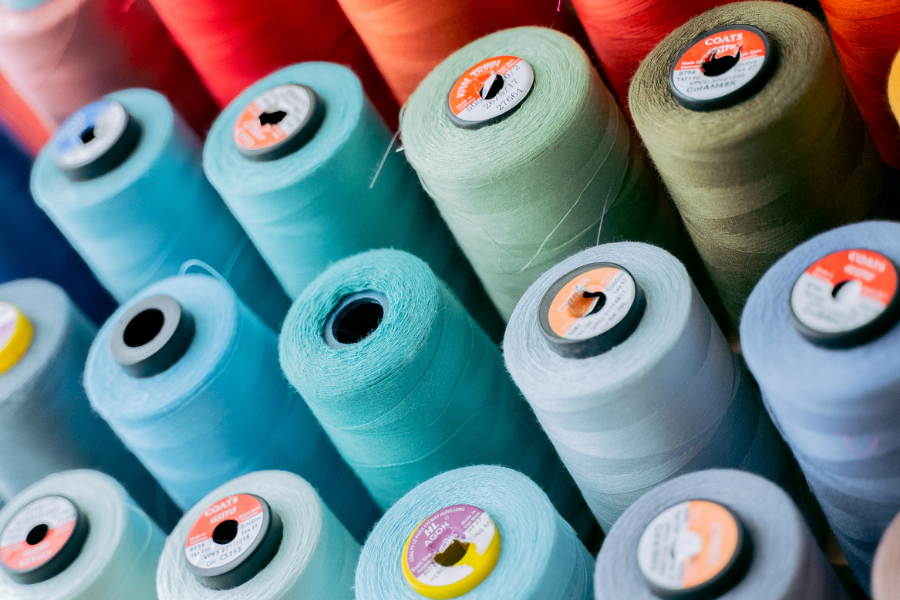
A 50-weight cotton thread is the classic choice and matches linen's natural fiber character. Polyester thread also works and offers more strength and stretch recovery for washed garments. Avoid very fine silk or embroidery threads for structural seams. Match thread weight to fabric weight so the seam does not pull or pucker the linen.
Can I use linen for bags and home goods, not just garments?
Absolutely. Heavy linen in the 8 to 10 oz range is excellent for tote bags, market bags, and structured pouches. It holds its shape without interfacing for many bag styles, though adding a woven fusible interfacing gives extra body for bags that carry heavy items. Linen also makes beautiful, durable pillow covers and table runners.
Start Your Next Linen Project With the Right Fabric
Linen rewards sewists who take the time to understand it. Pre-wash it, press it damp, finish those seam edges, and pair it with a pattern that suits its personality. You will end up with garments and goods that wear beautifully for years. We carry a carefully chosen range of garment and home linen weights at Sewing Studio Fabrics, and our team is happy to help you match the right weight and weave to your project, whether you stop in at our Asheville shop or browse from home. Shop our curated fabric selection at sewingstudio.com or visit us in Asheville.