




advanced sewing classes asheville
Key Takeaways
Advanced sewing classes in Asheville give experienced makers the chance to work on complex garments, refine fitting skills, and build techniques that patterns alone cannot teach. Whether you want to tackle tailoring, couture finishes, or confident muslins, structured class time with expert guidance gets you there faster than solo trial and error.
- Advanced classes in Asheville cover topics like tailored jackets, pants fitting, couture hand-sewing, and pattern grading
- Small class sizes mean more one-on-one time with instructors who can address your specific fitting challenges
- Bringing a project you are already working on is often welcome, so class time builds directly on your current goals
- Natural-fiber fabrics like wool, silk, and linen reward the precise techniques taught at the advanced level
- In-person instruction catches mistakes that YouTube tutorials and pattern instructions simply cannot see
What Makes a Sewing Class Truly Advanced
The word "advanced" gets used loosely in sewing education, so it helps to know what you are actually signing up for. A genuine advanced class assumes you already know your way around a sewing machine, you have read a pattern without too much struggle, and you have finished at least a handful of garments from start to hem. From that baseline, advanced instruction focuses on what separates a well-made garment from a truly beautiful one: stable seam allowances, flat-felled and bound buttonholes, hand-stitched hems, and fitting adjustments that go beyond the pattern envelope. At Sewing Studio in Asheville, advanced sessions are designed to push past the comfort zone without leaving you stranded. Instructors build on what you already know rather than repeating beginner concepts, which means class time stays focused and productive.
Techniques You Will Actually Work On
Advanced sewing classes in Asheville tend to concentrate on a handful of skill areas that most self-taught sewists never fully crack on their own.
Tailoring and Structured Garments
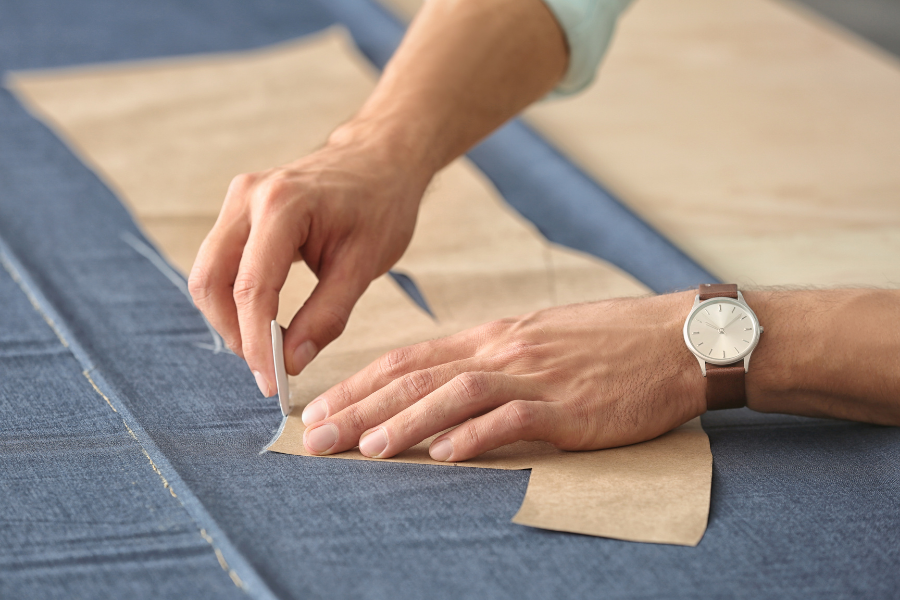
Tailoring a wool blazer or a lined coat requires a completely different toolkit than sewing a cotton blouse. You need to understand interfacing weights, pad-stitching a lapel by hand, setting a sleeve so it rolls over the shoulder cap without pulling, and pressing at every stage rather than just at the end. These techniques take focused repetition, and a two-hour class session gives you the chance to practice on real fabric with an instructor watching your hands. According to the American Sewing Guild, fitting and tailoring workshops are consistently the highest-demand advanced offerings at guild chapters nationwide. That tracks with what we see at Sewing Studio: seats in tailoring-focused sewing classes Asheville fill first.
Pants Fitting
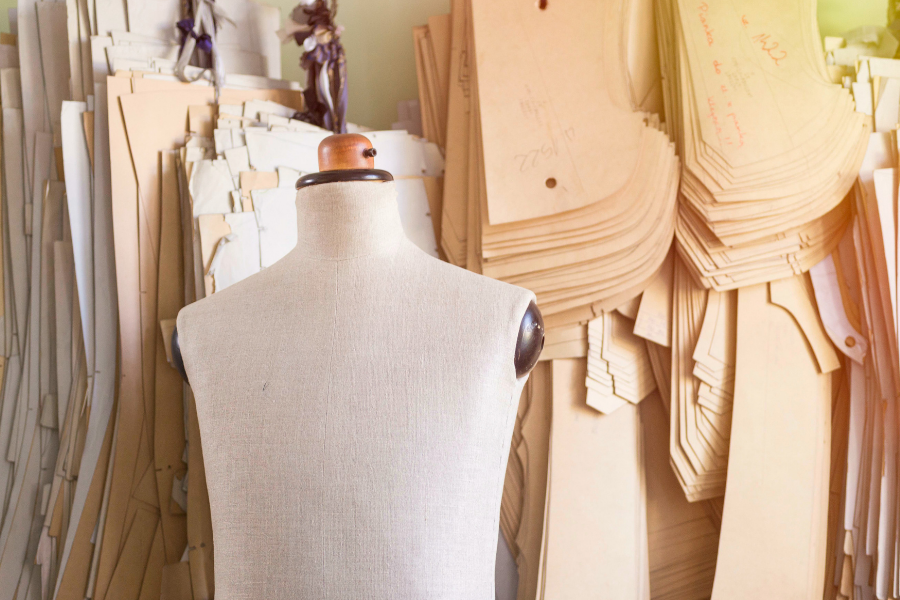
Pants are the project that makes many confident sewists suddenly feel like beginners again. A crotch curve that sits wrong or a seat that pulls changes how the entire garment looks and feels, and no amount of pressing fixes a poor fit. Advanced pants fitting classes walk through full-seat adjustments, sway-back corrections, inner-thigh ease, and the relationship between rise length and waistband placement. You bring your own measurements and a muslin if you have one started, and you leave with a corrected tissue pattern you can use again and again. Pairing this work with a medium-weight fabric like a ponte knit or a woven cotton twill lets you focus on fit rather than fighting a slippery or stretchy material at the same time.
Couture Hand-Sewing Techniques
Machine stitching handles most construction tasks efficiently, but hand-sewing is what gives a garment a refined finish that machines cannot replicate. Advanced classes often cover slip-stitching a lining invisibly into a coat, attaching hooks and bars by hand, working a fell stitch along a hem, and the pick stitch that holds a tailored edge without showing on the right side. These are slow skills that reward patience, and they are the same techniques used in ready-to-wear garments that cost several hundred dollars. Learning them changes how you evaluate both your own work and the clothes you see in stores.
How to Choose the Right Advanced Class for Your Goals
Not every advanced class is a match for every sewist, even at the same skill level. Before you register, think about what is actually holding you back right now. If you have a specific project waiting in your fabric stash, look for a class structured around that project type. If you want to fill in gaps across several skill areas, a longer workshop series tends to be more useful than a single drop-in session.
Ask a few practical questions before signing up. What is the class size? Anything over eight students starts to limit how much individual attention you can expect. Does the instructor have a background in the specific discipline, whether that is tailoring, knitwear, or bias-cut garments? What materials do you need to bring, and does the studio supply anything? At Sewing Studio, we keep class sizes small on purpose and instructors communicate supply lists in advance so you are not scrambling the night before. Our sewing classes in Asheville page lists current offerings with full descriptions so you can match the class to your actual goals before committing.
What to Bring to Get the Most From Your Time
Walking into an advanced class prepared makes a measurable difference in what you take home. Bring a current measurements sheet with at least your full bust, high bust, waist, hip, and back length recorded. If you have fitting notes from previous projects, bring those too. A fabric sample or swatch from whatever you are currently working with helps instructors give you advice that applies to your actual project rather than a theoretical one.
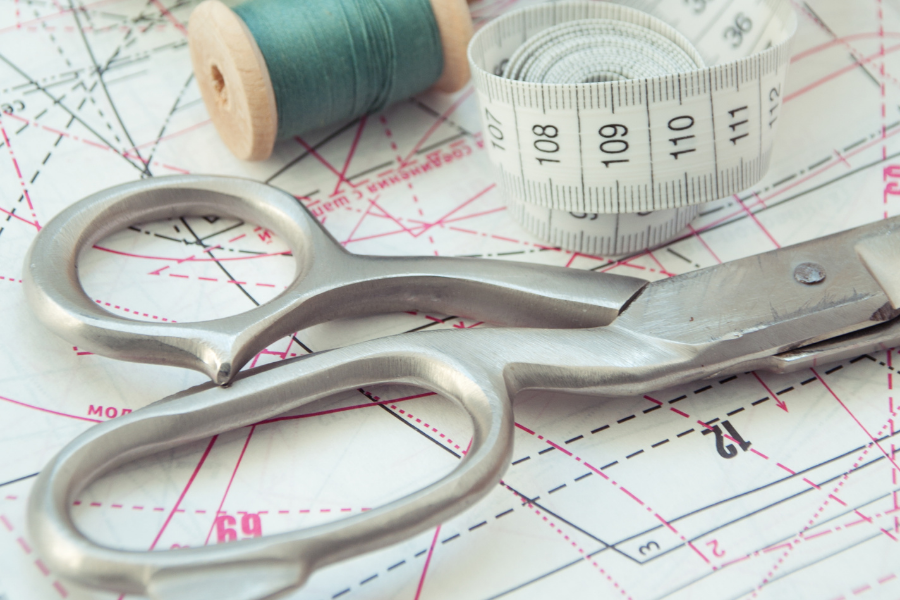
For technique-focused classes like tailoring or couture finishing, having a practice piece of fabric in a similar weight to your project fabric lets you try techniques without ruining the good stuff. Wool suiting scraps, medium-weight linen, or cotton canvas all work well for practicing hand-stitching and pressing skills. A sharp pair of scissors, a fine hand needle, and quality thread in a neutral color round out what most advanced sessions require. Good tools matter more at the advanced level because the techniques ask more of them. We carry quality thread and notions for garment sewing in-store and online if you want to make sure you are stocked before class day.
Frequently Asked Questions
How do I know if I am ready for an advanced sewing class?
A good rule of thumb is that you have completed at least five to ten garments from printed or digital patterns, you can read and adjust a pattern independently, and you have basic machine skills like sewing a consistent seam allowance and pressing as you go. If you feel bored in beginner classes but still have specific techniques you want to improve, you are probably ready for advanced instruction.
Can I bring my own project to an advanced sewing class?
Many advanced classes at Sewing Studio are structured around a specific project or skill set, but instructors are generally happy to apply concepts to your current work. It is always worth asking when you register. Bringing a muslin or a partially completed garment often leads to the most useful class experience because the instructor can see exactly what you are working with.
What fabrics work best for advanced technique practice?
Medium-weight woven fabrics like cotton twill, wool flannel, or stable linen are easiest to work with when you are learning a new technique. They press well, hold their shape, and show you whether your stitching is accurate. Slippery fabrics like silk charmeuse or bias-cut rayon add a layer of difficulty that can obscure whether the technique itself is working correctly.
Are advanced sewing classes available for specific garment types?
Yes. Sewing Studio offers classes focused on specific garment categories including tailored outerwear, pants fitting, and knit construction. Specialized workshops cycle through the calendar seasonally, so checking the current schedule regularly is the best way to catch a class that matches your goals. Our Asheville location also occasionally brings in guest instructors for intensive weekend workshops.
How large are the advanced sewing classes?
Sewing Studio keeps advanced class sizes small, typically between four and eight students, to allow for meaningful individual attention. Fitting work in particular benefits from a low student-to-instructor ratio because adjustments are body-specific and require hands-on guidance that is hard to deliver in a large group setting.
Do I need to buy supplies before attending an advanced class?
Each class listing includes a materials list. Some sessions supply fabric or notions as part of the class fee; others ask you to bring specific items. Reading the full class description before registering tells you exactly what you need. Sewing Studio carries most required supplies in-store, which makes it easy to pick up what you need before the first session.
What if I have a fitting problem I have been stuck on for years?
Bring it to class. Long-standing fitting issues like a swayback adjustment or a consistently wonky collar are exactly the kind of problem that benefits from a fresh set of expert eyes. Instructors often spot a pattern in the first few minutes that the sewist has been too close to the project to see themselves.
Register for an Advanced Class at Sewing Studio in Asheville
If you have been sitting on a challenging project or hitting the same fitting wall over and over, an advanced class is the most direct way through it. Sewing Studio offers structured, small-group advanced instruction in Asheville with instructors who love garment construction and take your goals seriously. Browse current class offerings, check available dates, and grab your spot before it fills. Visit our guide to sewing classes Asheville or come see us in Asheville, and explore our full range of sewing classes asheville to find the right fit for your skill level.