




advanced sewing classes asheville
Key Takeaways
Advanced sewing classes in Asheville give experienced makers a structured place to tackle the techniques that self-teaching rarely covers — tailoring, couture finishes, complex fitting, and fabric-specific construction. Whether you want to finally nail a bound buttonhole or cut a bias-cut silk dress with confidence, in-person instruction with real-time feedback shortens the learning curve considerably.
- Advanced classes focus on specific skill gaps rather than general project completion — look for courses built around techniques, not just finished objects.
- Tailoring, couture hand-sewing, fitting adjustments, and specialty fabrics are the most common advanced topics available locally in Asheville.
- Small class sizes (typically 4-8 students) matter more at the advanced level because instructors need time to address individual fitting and technique questions.
- Bringing your own fabric to advanced classes is often expected — knowing how to select appropriate fabric is part of the skill being taught.
- Advanced classes pair well with a curated shopping visit to pick up the right interfacings, threads, and notions for your specific project.
What Makes a Sewing Class Truly Advanced
The word "advanced" gets used loosely in craft education. A class that covers installing a zipper might call itself advanced if beginner classes at the same studio never touched zippers at all. Before you register, it helps to know what separates a genuinely advanced course from an intermediate one with a confidence-boosting label. True advanced instruction assumes you already own your tools, understand grain lines, can read a pattern without the glossary, and have sewn at least a handful of garments from start to finish. From that foundation, advanced classes dig into the techniques that experienced sewists still find humbling: pad-stitching a jacket lapel, working with bias-cut charmeuse, cutting a full-bust adjustment on a fitted bodice, or hand-sewing a fell stitch that disappears into the fabric. The goal is not to build a garment — it is to build a specific capability that transfers to every garment you make afterward.
Techniques You Can Expect to Cover in Advanced Asheville Classes
Asheville's creative community draws skilled instructors who tend to specialize rather than generalize. That means local advanced offerings often go deep on a single discipline rather than skimming across several. Tailoring workshops, for example, may spend an entire weekend on just the chest canvas and pad-stitched lapel of a jacket — the two elements that separate a handmade blazer from something that looks handmade. Couture hand-finishing classes focus on techniques like hand-picked zippers, French seams on curved edges, and Hong Kong seam allowances finished with silk organza. Fitting-focused workshops start from a sewn muslin and work through a full set of adjustments in real time, which is something no book or YouTube tutorial can replicate effectively.
Tailoring and Structure
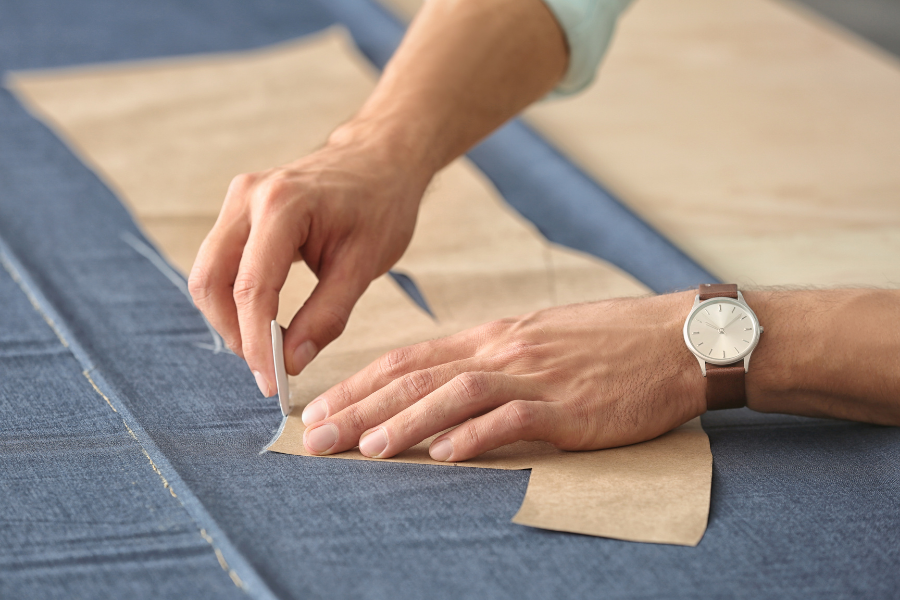
Tailoring instruction at the advanced level covers hair canvas, wigan, and chest piece construction. Students learn to distinguish when to use fusible interfacing versus a sewn-in canvas, and why that choice affects how a jacket moves and ages over years of wear. A sewist working on a classic menswear-inspired blazer using a mid-weight wool crepe will get very different results with a hand-padded canvas than with the fusible shortcut. Good instructors will also cover pressing — the undersung half of tailoring that most home sewists underinvest in.
Specialty Fabric Handling
Silk, wool coating, double gauze, and stretch velvet each behave differently under the needle, and advanced classes that focus on fabric-specific technique can save you from a costly mistake on yardage you spent real money on. Cutting bias-cut silk without the fabric shifting, staying silk charmeuse seams before sewing, and pressing wool without shine marks are all topics that experienced sewists still want hands-on guidance for before committing to a project.
How to Choose the Right Advanced Class for Your Skill Level
Even within advanced sewing, there is a wide range. Someone who has sewn 30 dresses but never touched a lined jacket is advanced in some areas and a beginner in others. The most useful question to ask before registering is: what specific technique have I been avoiding because I am not confident I can do it well? The answer will usually point you toward the right class format. A multi-session workshop of 8-12 hours spread across several weeks gives you time to practice between meetings and return with questions. A single-day intensive is better for a focused skill like welt pockets or bound buttonholes, where you want repetition inside a supervised setting rather than slow accumulation over weeks. Ask the studio about the expected prerequisites, what tools to bring, and whether you will work on a dedicated technique sample or a garment in progress. All three of those answers tell you a lot about the class structure before you commit.
Questions Worth Asking Before You Register
Check the maximum class size. At the advanced level, six students is very different from sixteen. Ask whether the instructor has a background in industry or couture rather than just self-teaching, since advanced technique often has a right-way-for-a-reason that a self-taught instructor may not know to share. Ask whether you bring your own pattern and fabric or work from provided materials. Bringing your own is usually a sign the class is treating you as a maker rather than a student following along.
What to Bring and How to Prepare
Advanced classes move faster than beginner ones because instructors spend less time on foundational explanation. Showing up prepared makes the difference between spending your class time on new technique and spending it catching up. Most advanced workshops will give you a supply list, and following it exactly is worth the effort. If the list specifies Gutermann thread and you bring a no-name bargain spool, the instructor will notice when your stitches skip or your tension reads differently. Bring a full pressing kit if the class allows it: a good iron, a tailor's ham, a seam roll, and a clapper. Pressing is responsible for roughly half the difference between a polished result and a homemade-looking one, and having your own tools means you are not waiting for shared equipment. Prepping your fabric at home — washing, drying, and pressing it before class — is almost always expected at the advanced level. Arriving with unprepared yardage signals to the instructor that your fundamentals still need attention, which shifts the dynamic away from where you want it.
If your class covers fitting, arrive wearing the undergarments and shoes you plan to wear with the finished garment. Fitting a bodice over the wrong bra changes every measurement, and instructors who have been doing this for years will ask you to change if you forget. It is not a formality — it is just how fitting works accurately.
Frequently Asked Questions
What skill level do I need before taking an advanced sewing class in Asheville?
Most advanced classes expect you to have completed at least five to ten garment projects independently, including at least one with a zipper and one with a lining. You should be able to read a pattern independently, cut fabric on grain without guidance, and troubleshoot basic tension and stitch problems on your machine without instructor help.
How are advanced classes different from intermediate classes at local studios?
Intermediate classes typically guide you through a project step by step. Advanced classes assume you know the steps and focus on elevating the execution — the difference between sewing a jacket and sewing a jacket well. The conversation shifts from what to do to why you do it one way rather than another, and how to adapt when your fabric or body does not match the pattern's assumptions.
Can I bring a project I am already working on to an advanced class?
Some workshops are structured around in-progress work, especially fitting-focused classes. Others are technique workshops where everyone works the same exercise. Ask the studio directly before registering. Bringing your own project to a technique workshop can work if the skill being taught applies directly to what you are making, but it sometimes slows the class down for other students.
What notions and tools should I invest in before taking advanced classes?
A quality iron (Reliable or Rowenta are the workhorses you will hear instructors recommend most often), a tailor's ham, a seam roll, a thimble, and a good set of hand-sewing needles will serve you across almost every advanced topic. For tailoring specifically, add a point presser and a clapper. For couture hand work, silk thread makes a visible difference in how seams behave.
Are advanced sewing classes available as one-day intensives or only multi-week courses?
Both formats exist in Asheville. Single-day intensives work well for focused skills like welt pockets, bound buttonholes, or sleeve setting. Multi-week workshops give you time to practice between sessions and are better for broader topics like jacket tailoring or draping fundamentals. The format you choose should match the complexity of the technique you want to learn.
Do advanced classes at Sewing Studio Fabrics include fabric or do I bring my own?
Most advanced workshops ask you to bring your own fabric and pattern because selecting appropriate materials for a technique is part of what you are learning. The studio can help you shop for the right fabric before your class date. Knowing that a mid-weight wool suiting behaves differently than a stretch denim for a tailored jacket matters before you cut anything.
How do I find out about upcoming advanced classes in Asheville?
The best way is to check the class calendar on the Sewing Studio Fabrics website and sign up for the shop newsletter. Advanced workshops fill faster than beginner classes because the audience is smaller and the topics are more specific. Joining the mailing list is the most reliable way to hear about new workshops before they close.
Ready to Move Your Sewing Skills to the Next Level in Asheville
Advanced classes are where the techniques you have been putting off finally become part of your regular practice. Whether you want to tackle jacket tailoring, master bias-cut silk, or finally understand how fitting adjustments work on your actual body rather than a pattern's assumed one, in-person instruction in a small group setting is the fastest path there. Our sewing classes asheville calendar includes options for makers at every stage, with advanced workshops designed for sewists who already know their way around a pattern and want to build the skills that take garments from good to exceptional. Browse the full class schedule and our curated selection of natural-fiber fabrics and tailoring supplies at sewingstudio.com, or come see us in person in Asheville and we will help you find exactly what your next project needs.