



zero waste sewing patterns
Key Takeaways
Zero waste sewing patterns are designed so every piece of fabric you cut gets used in the finished garment, leaving no scraps behind. They work best with fabrics sold in specific widths, require careful layout planning, and reward makers who enjoy puzzle-solving as much as sewing. Choosing the right fabric matters as much as choosing the right pattern.
- Zero waste patterns use geometric shapes to eliminate cutting waste entirely or near-entirely.
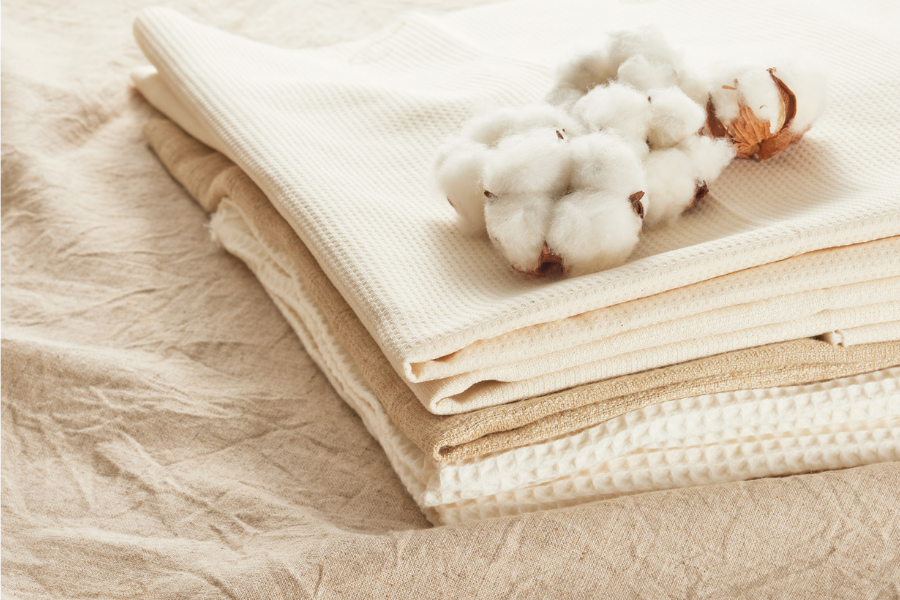
- Natural fiber fabrics like linen and cotton work especially well because they press crisply and hold structured folds.
- Fabric width affects pattern fit more than yardage does in most zero waste designs.
- Designers like Birgitta Helmersson and Zero Waste Daniel have made this approach wearable and modern.
- You can adapt some conventional patterns toward lower waste using strategic layout and stash fabric.
What Zero Waste Sewing Patterns Actually Are
Zero waste sewing is not a new trend. Garment construction before industrial manufacturing often used the full width of handwoven cloth, simply because fabric was too valuable to discard. Rectangular tunics, wrapped skirts, and draped robes from cultures across Asia, Africa, and Europe all share this logic. What modern zero waste sewing patterns do is bring that same thinking into contemporary garment design, using pattern geometry to ensure that every bit of cloth you cut ends up in the finished piece. No pile of odd triangles left on the cutting table. No bin of unusable scraps.
The Sustainable Fashion Forum estimates that conventional garment manufacturing wastes between 15 and 20 percent of fabric at the cutting stage alone. For home sewists, that number can be even higher on complex patterns with curved seams and shaped facings. Zero waste pattern design addresses that waste at the source by rethinking the shapes themselves.
How the Geometry Works
Most zero waste sewing patterns rely on rectangles, squares, and right triangles because these shapes tile together without gaps. A sleeve can become a pocket lining. A front facing can nest into a back yoke. The puzzle-like quality is part of the appeal, and also part of the challenge. When you read a zero waste pattern layout, you will often see pieces rotated, flipped, or interleaved in ways that look nothing like conventional sewing layouts.
Why Fabric Width Is the Critical Variable
Most zero waste patterns are drafted for a specific fabric width, typically 44 inches, 54 inches, or 60 inches. If you buy a fabric that is 2 inches narrower than the pattern assumes, the entire layout can fail. This is not a problem you can solve by buying an extra quarter yard. The pieces simply will not tile the same way. Before you shop for fabric for a zero waste design, write down the exact width the pattern requires. Then measure twice at the fabric shop, because even fabrics from the same bolt can vary slightly from end to end.
Seam Allowances and the Zero Waste Math
Some zero waste patterns include seam allowances in the printed pieces. Others do not. This distinction matters more here than in conventional sewing because adding or subtracting seam allowance on a zero waste layout can break the interlocking geometry. Always read the pattern instructions before cutting anything. The University of Illinois Extension sewing resources have clear guidance on seam allowance conventions that newer sewists will find helpful when decoding unfamiliar pattern notations.
The Best Fabrics for Zero Waste Sewing
Fabric choice can make or break a zero waste project. Because these patterns often rely on the drape or structure of specific regions of cloth to do the design work, you need a fabric that behaves consistently from selvedge to selvedge and from one end of the bolt to the other. Fabrics with a strong directional nap or a large one-way print add complexity to the layout puzzle and can quickly make a zero waste design non-zero-waste in practice.
Linen and Linen Blends
Linen is the workhorse fabric for zero waste garments. It presses beautifully, holds a fold, and has enough body to support geometric shapes that depend on clean edges. Our linen fabric collection includes both medium-weight dress linens and heavier shirting weights. For a zero waste shirt pattern, a 4 to 5 ounce linen hits the sweet spot: structured enough to stay crisp at seams, soft enough to move well in a draped front panel. The tradeoff is that linen wrinkles visibly, so it is a poor choice if your finished garment needs to travel well.
Cotton Lawn and Voile
Lightweight cotton lawn and voile work beautifully for draped zero waste designs like wrap tops and gathered skirts because the fabric gathers with low bulk. The challenge is that lightweight wovens shift on the cutting table. Use pattern weights rather than pins, cut on a single layer, and consider a spray of starch before you cut. Our cotton fabric selection includes several lawn prints that tile well with solid-geometry pattern pieces because the print reads as a texture rather than a directional image.
What to Avoid
Plaids and stripes require matching at seams, which introduces intentional waste by design. Large florals with a clear up direction create the same problem. Fabrics with a pile, like velvet or corduroy, must be cut with all pieces running the same direction, which immediately breaks most zero waste layouts. If you love these fabrics, save them for conventional patterns and use your zero waste designs with solids, small-scale prints, or textures like slub linen that read well in any direction.
Designers Who Are Getting This Right
The zero waste pattern world is small but genuinely creative. Birgitta Helmersson based in Sweden designs garments that often use the full cloth width in a single horizontal cut, creating a silhouette defined entirely by the fabric rectangle. Her patterns are available as PDFs and are among the clearest examples of zero waste thinking applied to contemporary minimalist fashion.
Zero Waste Daniel in New York takes a different approach, constructing garments from pre-consumer scrap fabric collected from the garment district. This is not a pattern-based method home sewists can replicate exactly, but the aesthetic shows what zero waste construction can look like when the constraint is treated as a design tool rather than a limitation.
For patterns you can actually purchase and sew at home, the Cloth Habit blog has reviewed several zero waste and near-zero-waste independent patterns with honest notes on difficulty and fit. It is a good starting point for narrowing down which designs match your current skill level. We also carry a range of indie sewing patterns from designers who prioritize sustainable construction methods.
Adapting Conventional Patterns Toward Lower Waste
You do not have to commit to a fully zero waste pattern to reduce what ends up in the bin. Several practical strategies move conventional patterns in that direction without requiring a completely different approach to garment construction.
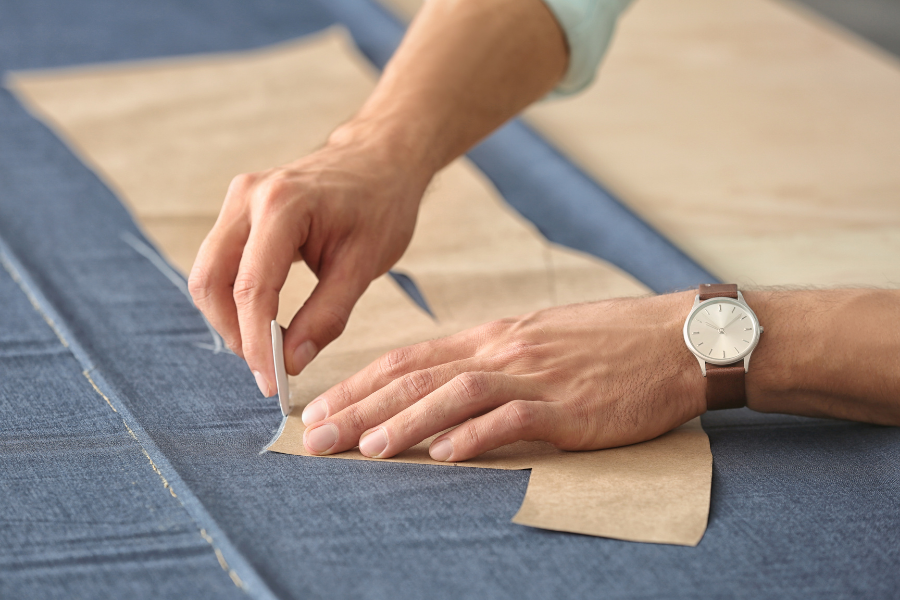
Start with your layout. Many sewists default to a single folded layer and cut both sides at once, which is efficient for time but rarely efficient for fabric. Cut on a single layer when the pattern allows it, rotating pieces to fill gaps. The Threads magazine layout planning guides show specific techniques for fitting more pieces into less yardage without distorting grain lines.
Use your scraps intentionally. A selvage strip makes a sturdy stay tape. A 6-inch square of shirting linen becomes a chest pocket on a different project. Keep a flat bin of sorted scraps by fiber content so you can sew with fabric scraps deliberately rather than treating them as waste. And when pieces are truly too small to use in garments, natural fiber scraps can go into stuffing for pincushions, pet toys, or compost for plant material.
Consider also the pattern itself. Some designs consume far more fabric than their silhouette requires simply because the pieces were not drafted with layout efficiency in mind. The Fashion Incubator blog by Kathleen Fasanella has detailed technical writing on marker making and layout efficiency from a professional patternmaking perspective. It is written for industry, but advanced home sewists will find the concepts directly applicable.
Frequently Asked Questions
Do zero waste sewing patterns work for all body sizes?
Yes, though grading between sizes can break the zero waste geometry if you are not careful. Some designers publish separate layouts for each size range. Others build the design around a wrap or adjustable closure that fits a range of bodies without grading at all. Always check whether your size is included before purchasing a pattern, and read reviews from sewists with similar measurements. Our fitting and sizing guides can help you evaluate pattern ease before you cut.
Is zero waste sewing harder than conventional sewing?
The construction itself is often simpler, because geometric pieces mean fewer curved seams. The challenge is in the cutting layout and in understanding why each piece is shaped the way it is. Sewists who enjoy logic puzzles tend to love zero waste patterns. If you prefer to cut from a conventional layout and follow familiar steps, the planning stage may feel frustrating at first.
What yardage do I need for a zero waste pattern?
Zero waste patterns are usually very specific about yardage because the layout has no flexibility. Buy exactly what the pattern states, in the exact width specified. Buying more does not help because the extra fabric will not integrate into the zero waste layout. If your fabric is slightly narrower than required, contact the pattern designer before cutting.
Can I use knit fabric with zero waste patterns?
Some zero waste patterns are written for knits, particularly those with draped or wrapped constructions. Most are written for wovens. Using a knit in a pattern designed for a woven will change the drape and fit significantly. Check the pattern recommendations and look at our knit fabric options if the pattern explicitly supports knit yardage.
How does zero waste sewing fit into broader sustainable textile practices?
Zero waste cutting is one piece of a larger set of choices. Fabric fiber content, dye processes, and end-of-life disposal all matter. The Textile Exchange publishes annual reports on preferred fiber benchmarks that give good context for how material choices fit into the bigger picture alongside cutting waste reduction.
Are there zero waste patterns for home goods, not just garments?
Absolutely. Napkins, tote bags, zippered pouches, and quilts are natural territory for zero waste construction because the rectangular shapes are built into the design from the start. If you are new to zero waste thinking, a simple set of cloth napkins cut from a full yard of linen is a low-stakes way to practice the layout mindset before committing to a full garment.
Where can I learn zero waste pattern drafting, not just sewing from existing patterns?
Holly McQuillan and Timo Rissanen wrote Zero Waste Fashion Design, published by Fairchild Books and used in fashion programs at Parsons School of Design and others. It is technical and design-school oriented but remains the most thorough published resource on drafting your own zero waste patterns from scratch.
Shop Fabric That Works as Hard as Your Pattern Does
Zero waste sewing rewards you most when the fabric and the pattern are genuinely matched. You need a cloth that behaves consistently, reads well in any rotation, and presses cleanly at geometric seams. That means knowing your fabric before you cut, not after. We stock natural fiber fabrics chosen with exactly this kind of project in mind, and our staff in Asheville can help you measure width, evaluate drape, and match the right cloth to the specific zero waste pattern you are working from. Whether you are a seasoned sewist ready to geek out on layout geometry or a newer maker taking your first steps away from fast fashion, we want to help you make something you will wear for years. Shop our curated fabric selection at sewingstudio.com or visit us in Asheville.