

wedding dress sewing asheville
Key Takeaways
Sewing your own wedding dress in Asheville is absolutely doable, and our shop carries the bridal fabrics, notions, and indie patterns to make it happen. Whether you are working with a local seamstress or sewing solo, knowing your fabric options, timeline, and fitting strategy before you cut a single piece will save you hours of stress.
- Give yourself at least 6 months from fabric purchase to wedding day, with muslins built into that timeline.
- Silk charmeuse, duchess satin, and cotton lawn are the most sewist-friendly bridal fabrics for home sewers.
- Indie patterns from designers like Cashmerette and Closet Core include better fitting guidance than most big-name bridal patterns.
- Asheville's climate means late-summer brides should prioritize breathable fabrics over heavy structured ones.
- A well-fitted muslin is the single most important step in any wedding dress project.
Why Sewists in Asheville Are Making Their Own Wedding Dresses
Off-the-rack wedding dresses rarely fit well without alterations, and even those alterations can cost hundreds of dollars. More sewists in Western North Carolina are deciding they would rather put that money and energy into a dress they actually made. Sewing your own wedding gown means you choose the silhouette, the fabric weight, the sleeve length, and whether the back closes with buttons or a zipper. You also get to wear something truly yours on one of the biggest days of your life. The indie sewing pattern community has grown enormously over the last decade, and with it, the availability of bridal-weight patterns designed for real bodies with real fitting guidance. If you are comfortable with garment sewing and willing to take the project seriously, a handmade wedding dress is well within reach.
Choosing the Right Bridal Fabric for Your Skill Level
Fabric choice is the place where most bridal sewing projects go sideways. Some fabrics behave beautifully on a bolt and become a nightmare on the cutting table. Others feel intimidating but are actually quite forgiving once you understand how they move. Choosing well means matching the fabric's behavior to your actual experience level, not the experience level you hope to have by the time you cut.
Beginner-Friendly Options
Cotton lawn and cotton voile are excellent starting points for bridal sewing. They press beautifully, show pins clearly, and do not shift on the cutting table the way slippery silks can. A cotton lawn wedding dress can look genuinely elegant, especially for a garden ceremony or a shorter-length gown. Crepe-back satin is another option that is more forgiving than it looks. The matte crepe side hides minor imperfections in stitching lines, and the fabric does not fray as aggressively as some sheers. Our bridal fabric store carries both of these in ivory, white, and a few soft blush tones.
Intermediate and Advanced Choices
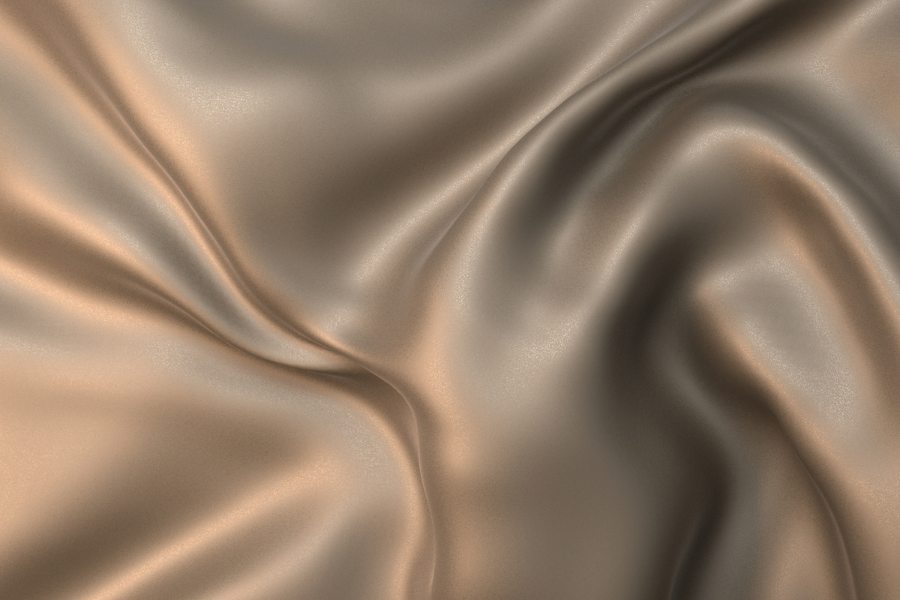
Silk charmeuse drapes gorgeously and photographs beautifully, but it slides, frays, and shifts under the presser foot unless you use the right techniques: sharp needles, tissue paper under the cut pieces, and a walking foot for long seams. Duchess satin gives you that structured, formal silhouette but can be stiff to work with around curves. Chiffon and organza layers work wonderfully as overlay fabrics but require a lot of patience at the seams. If you have made a lined dress before and you are comfortable with French seams or Hong Kong finishes, these fabrics are very achievable. Just budget extra time for every step.
Indie Patterns Worth Considering for a Handmade Wedding Gown
Big-name bridal pattern companies have not always kept up with fit diversity or clear construction instructions. Indie designers have largely filled that gap, and several have produced patterns that work beautifully in bridal fabrics.
Closet Core's Kalle Shirtdress and Blouse works well in silk for a relaxed, bohemian bride. True Bias's Ogden Cami, cut in silk charmeuse, has become a small but real trend in the sewing community as a wedding slip or standalone dress for intimate ceremonies. Cashmerette's Appleton Dress offers structured bodice options with extended cup sizing, which makes a real difference for sewists who typically need to grade between a smaller waist and a larger bust. For a more traditional silhouette, McCall's M6051 and Simplicity S1909 have been used successfully by hundreds of home sewists and include more technical bridal construction details like boning channels and lapped zippers.
When evaluating any pattern for bridal use, look for clear seam allowance markings, at least one view with a lined bodice, and instructions that address underlinings. If the pattern does not include underlining guidance, the Colette Sewing Handbook and Kenneth King's online tutorials both cover bridal underlining in depth.
Planning Your Timeline and Fitting Strategy in Asheville
Six months is a reasonable minimum for most sewists tackling a first wedding dress. If the gown involves extensive embellishment, boning, or multiple fabric layers, budget eight months. Here is how most experienced bridal sewists break it down.
Month One and Two: Research and Muslin
Pick your pattern, order your fabric, and make at least one full muslin before you touch your bridal fabric. Use a similar weight cotton or a cheap lining fabric for the muslin. Fit the muslin on the actual undergarments and shoes you plan to wear on your wedding day. This step sounds obvious but gets skipped more than anything else, and it is always a mistake. If your wedding dress has a structured bodice, make a second muslin after your first fitting adjustments.
Month Three and Four: Cut and Construct
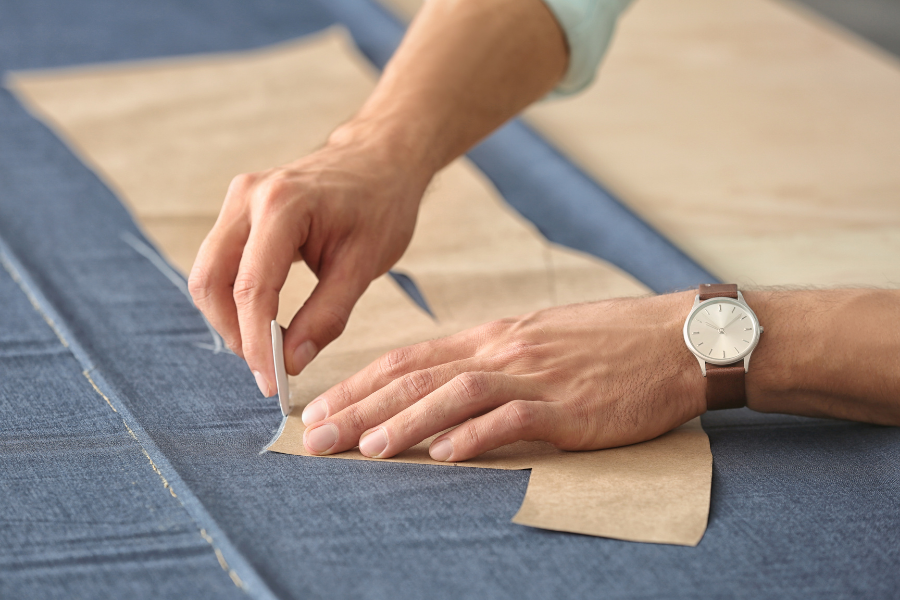
Cut your real fabric only after you are happy with the muslin. Mark every piece clearly. Sew the bodice first, fit it again before attaching the skirt, and press every seam as you go. Bridal fabrics do not forgive the shortcuts that quilting cotton will. If you are sewing in Asheville's summer heat, find the coolest room in your house for this work. Silk in particular should not be pressed with too much steam, and a dry iron on a silk setting with a press cloth will give you much better results.
Month Five and Six: Finishing and Final Fittings
Hemming a bridal gown is a full afternoon project on its own. Wear your shoes, have a friend help you pin the hem level, and let the dress hang for 24 hours before you cut anything, especially if your fabric has any bias panels. Build in time for a final fitting two weeks before the wedding, not two days before. Alterations at the last minute add stress you do not need.
Frequently Asked Questions
How much fabric do I need for a wedding dress?
Most full-length wedding dresses require between 8 and 15 yards of fabric depending on the silhouette. A fitted sheath needs less than a ballgown with a full skirt. Add 10 to 15 percent extra for directional fabrics, plaids, or cutting corrections. Your pattern envelope will list yardage requirements, but always check those numbers against the specific view you are making.
Can a beginner sew a wedding dress?
A confident beginner with some garment sewing experience can absolutely sew a simpler wedding dress. Choose a style without structured boning, pick a forgiving fabric like cotton lawn or crepe, and invest time in muslins. Avoid sheers and multi-layer gowns for a first bridal project. A bridesmaid dress in the same pattern is a great dry run if you have time.
Where can I find bridal fabric in Asheville?
Sewing Studio Fabrics in Asheville carries a curated selection of bridal-weight fabrics including silk, duchess satin, cotton lawn, and lining fabrics. You can shop in store or browse our online selection at sewingstudio.com. We also carry the notions you will need, including bridal zippers, boning, and silk thread.
What notions do I need for sewing a wedding dress?
At minimum you will need sharp microtex or silk needles, a zipper foot, a walking foot for long seams, quality silk or polyester thread in your dress color, stay tape, and a good interfacing. For structured bodices, add spiral steel boning and boning casing. A serger is helpful but not required if you use French seams or flat-fell seams.
Is it cheaper to sew my own wedding dress?
It can be, but not always. Quality silk fabric costs between $25 and $60 per yard, so a 10-yard gown runs $250 to $600 in fabric alone before notions and muslins. You will likely spend less than a boutique dress, but the bigger payoff is fit and personalization. Budget honestly and do not forget notions and the cost of a dress form if you need one.
Do I need a dress form to sew a wedding dress?
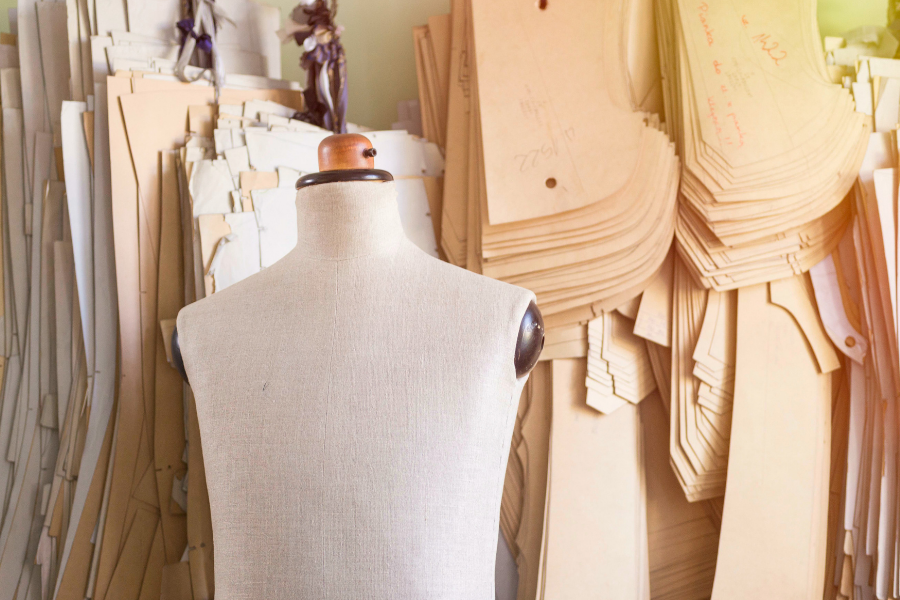
A dress form padded to your measurements makes a real difference for wedding dress construction, especially for structured bodices and hem work. You can rent or borrow one, or use a pinnable foam form and pad it yourself. The key is that it matches your measurements accurately, not just your dress size.
Can I take a sewing class in Asheville to help with my wedding dress?
Yes. Sewing Studio Fabrics hosts classes in Asheville covering garment sewing skills directly relevant to bridal projects, including fitting, zipper insertion, and working with slippery fabrics. Check our current class schedule on sewingstudio.com or visit us in store to ask about upcoming sessions.
Start Your Wedding Dress Project With the Right Fabric
Your wedding dress deserves fabric you can trust and a shop that will help you figure out what that fabric actually is. Whether you are planning a full silk charmeuse gown or a simple cotton lawn dress for an outdoor ceremony in the Blue Ridge, the right material makes every hour at your machine worth it. Come see us, ask questions, and leave with fabric you are genuinely excited to cut. Shop our curated fabric selection at sewingstudio.com or visit us in Asheville.
```