
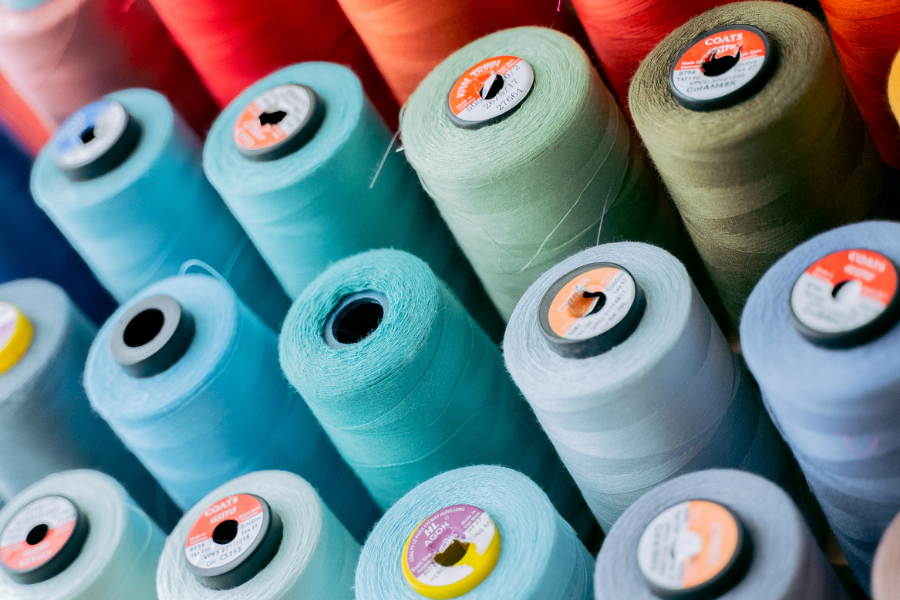
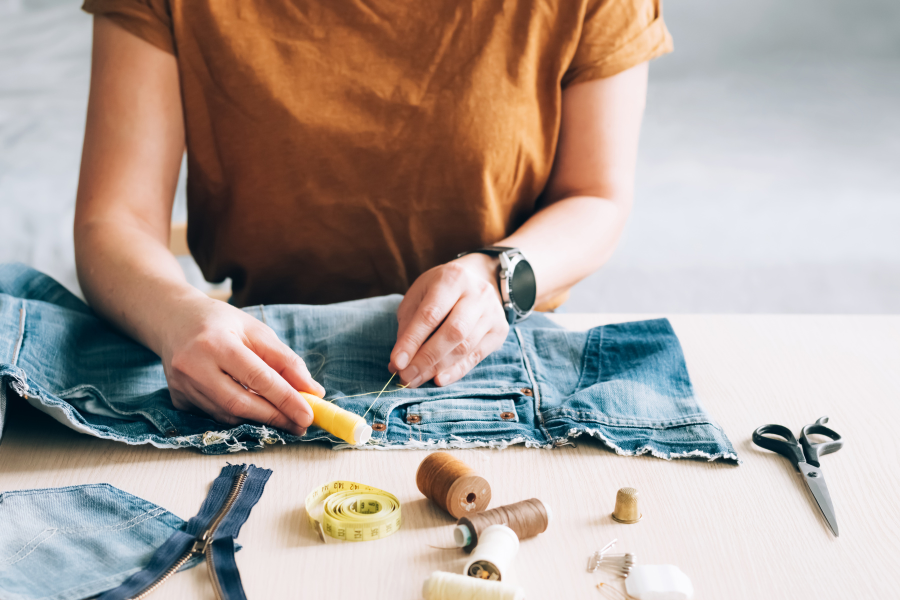


wedding dress fabric
Key Takeaways
Choosing wedding dress fabric involves balancing your vision with practical considerations like season, venue, body type, and sewing skill level. Natural fibers like silk, cotton, and linen offer superior drape and breathability compared to synthetics.
- Silk varieties like dupioni, charmeuse, and mikado each create different silhouettes and textures
- Cotton fabrics work beautifully for casual outdoor weddings and vintage-inspired designs
- Consider fabric weight and drape when selecting patterns for your skill level
- Account for 10-20% extra yardage for muslins, alterations, and potential mistakes
- Natural fibers require special care but photograph better and feel more luxurious
Understanding Wedding Dress Fabric Properties
The fabric you choose determines how your wedding dress will move, photograph, and feel throughout your special day. Wedding dress fabrics need to balance beauty with practicality, considering factors like the season, venue formality, and your comfort level while wearing the gown for 8-12 hours. Weight plays a crucial role in how fabric behaves. Lightweight fabrics like silk charmeuse create fluid, body-skimming silhouettes perfect for destination weddings or intimate ceremonies. Medium-weight options like silk dupioni offer more structure while maintaining elegance. Heavy fabrics such as duchess satin create dramatic ball gown silhouettes but require strong foundational garments and can become uncomfortable in warm weather. Drape refers to how fabric falls and moves with your body. Fabrics with good drape, like modal or silk crepe, create graceful lines and photograph beautifully in motion. Structured fabrics with less drape, such as cotton sateen or taffeta, maintain their shape better but may feel restrictive during dancing or extended wear. The fiber content affects both appearance and care requirements. Natural fibers typically photograph better under various lighting conditions and feel more luxurious against skin, though they often require professional cleaning and careful handling during construction.Silk Options for Luxury and Elegance
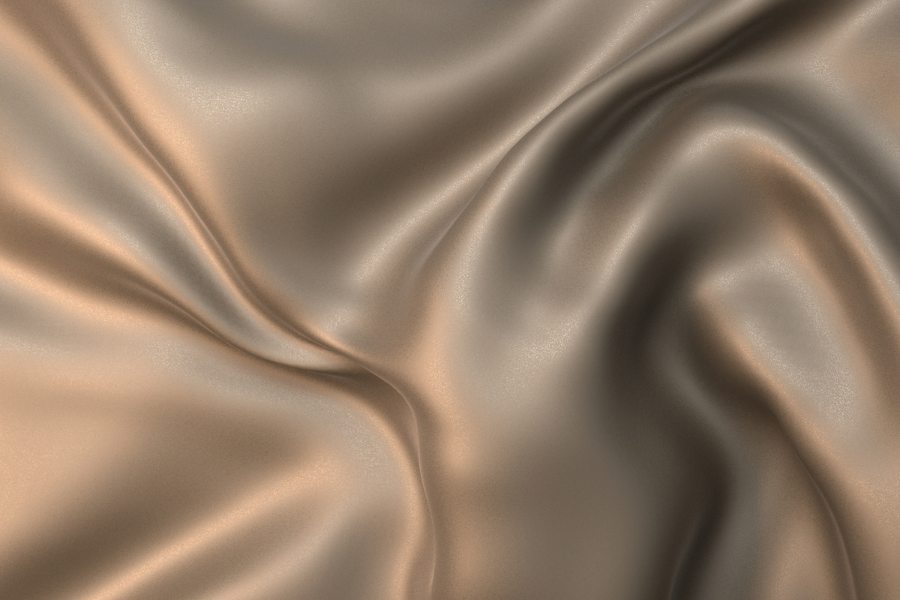
Silk remains the gold standard for wedding dress fabric, offering unmatched luxury and versatility. Different silk weaves create distinct looks and work better with certain dress styles and body types. Silk dupioni features a slightly textured surface with subtle irregularities that catch light beautifully. This medium-weight silk holds its shape well, making it ideal for structured bodices and full skirts. The natural slubs in dupioni create visual interest without overwhelming delicate details like lace appliques or beadwork. However, dupioni can wrinkle easily and shows water spots, so handle with care during construction. Silk charmeuse offers liquid-like drape perfect for bias-cut gowns or designs requiring fluid movement. This lightweight silk creates stunning cowl necklines and works beautifully for destination weddings where comfort is paramount. The downside: charmeuse shows every figure flaw and requires expert handling to avoid pulling or snagging during sewing. Silk mikado combines the structure of traditional wedding fabrics with the luxury of silk. This medium-weight option resists wrinkles better than dupioni while maintaining enough body to support architectural details. Mikado photographs exceptionally well and works across seasons, though it costs significantly more than cotton alternatives.Working with Silk Successfully
Silk requires specific techniques to achieve professional results. Use sharp microtex needles and high-quality silk thread to prevent pulls and skipped stitches. The Threads Magazine guide to sewing silk recommends testing stitch length and tension on scraps before working on your dress pieces. Pre-treat silk according to your final care method. If you plan to dry clean the finished dress, have silk pieces professionally cleaned before cutting. For hand-washable silks, gently hand wash in cool water with silk-specific detergent and air dry flat.Cotton Fabrics for Comfort and Versatility
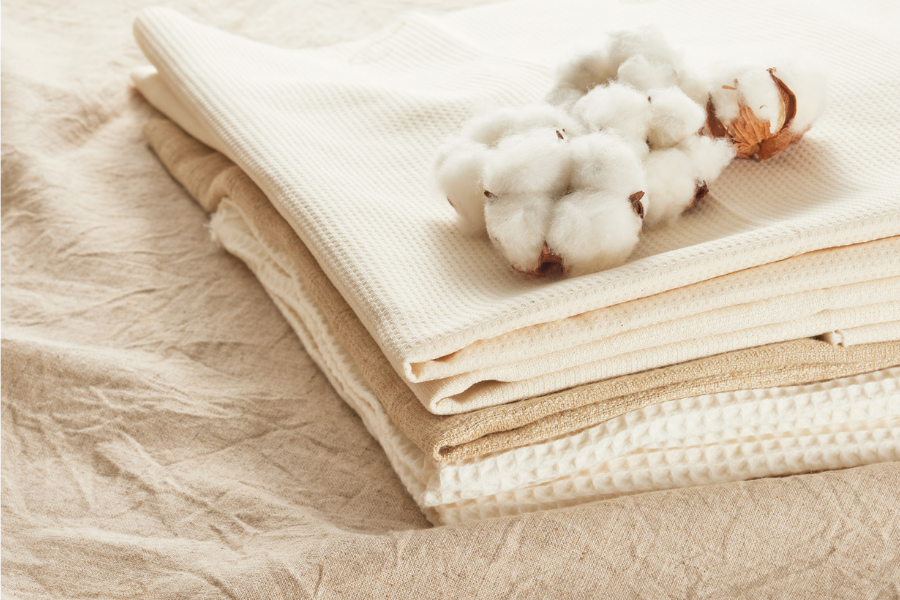
Cotton wedding dress fabrics offer breathability, easy care, and often more budget-friendly pricing compared to silk options. Modern cotton weaves can look equally elegant while providing practical benefits for certain wedding styles and venues. Cotton sateen creates a silk-like appearance with cotton's practical benefits. The mercerized finish gives sateen a subtle sheen that photographs beautifully, while the cotton content allows for easy alterations and care. Sateen works particularly well for vintage-inspired designs and outdoor ceremonies where breathability matters more than formal tradition. Cotton organdy provides structure without weight, making it perfect for voluminous skirts that won't overwhelm petite frames. This crisp, transparent cotton requires lining but creates stunning layered effects. Fashion Institute of Technology notes that organdy has been used in formal wear since the 1920s, giving it historical authenticity for vintage-themed weddings. Cotton voile offers delicate, floaty qualities ideal for bohemian or garden party weddings. While requiring careful handling due to its lightweight nature, voile creates ethereal effects when layered and works beautifully with hand embroidery details.Considerations for Cotton Wedding Dresses
Cotton fabrics typically require more yardage than silk due to their structure and draping properties. Plan for 15-20% additional fabric for muslins and potential adjustments. Cotton also takes dye differently than silk, so if you're planning a colored dress, request fabric swatches to test color accuracy under different lighting conditions. The natural fiber content means cotton wedding dresses can be altered more easily than synthetic alternatives, an important consideration if you're sewing months before your wedding date when weight fluctuations might occur.Linen for Relaxed Elegance
Linen brings natural texture and unmatched breathability to wedding dress design, particularly suited for outdoor ceremonies and warm weather celebrations. European linen offers the finest quality, with Belgian and Irish linens considered top-tier options. Pure linen creates beautifully relaxed silhouettes that move gracefully with the wearer. The natural wrinkle tendency becomes part of linen's charm rather than a drawback, perfect for beach weddings or garden ceremonies where crisp formality would feel out of place. Linen blends offer compromise solutions, combining linen's breathability with added structure from cotton or modal content. A 70% linen, 30% cotton blend provides easier care while maintaining linen's characteristic texture and drape. The key to successful linen wedding dresses lies in embracing the fabric's natural properties rather than fighting them. Choose patterns with flowing lines rather than structured tailoring, and consider details like covered buttons that complement linen's organic aesthetic.Specialty Fabrics and Modern Options
Contemporary wedding dress design embraces innovative natural fiber blends that offer improved performance without sacrificing luxury appearance. Tencel and modal blends provide silk-like drape with improved wrinkle resistance and easier care. These semi-synthetic fibers, made from sustainable wood sources, offer environmental benefits while maintaining the luxury feel expected in wedding attire. Sustainable fashion experts note these materials as eco-friendly alternatives to conventional synthetic fabrics. Wool crepe creates stunning options for fall and winter weddings, offering warmth without bulk. Fine wool crepes drape beautifully and work particularly well for minimalist designs where fabric quality speaks for itself. Silk-cotton blends combine silk's luxury with cotton's practicality. A 60% silk, 40% cotton blend offers easier pressing and care while maintaining much of silk's lustrous appearance.Considering Vintage and Sustainable Options
Vintage fabrics can provide unique options for wedding dresses, though they require careful inspection for weak spots and adequate yardage. Sustainable wedding guides increasingly recommend vintage or deadstock fabrics as environmentally conscious choices. When selecting vintage fabrics, test for colorfastness and structural integrity before cutting. Purchase extra yardage since matching vintage fabrics later becomes impossible.Planning Your Fabric Purchase
Calculating fabric requirements accurately prevents expensive mistakes and ensures consistent dye lots throughout your project. Most wedding dress patterns require 3-6 yards depending on style complexity and fabric width. Order all fabric at once to ensure consistent dye lots, particularly important for solid colors that might show subtle variations between production runs. Request fabric swatches before ordering substantial yardage, testing how colors appear under different lighting conditions. Consider the complete outfit when planning purchases. Account for interfacing, lining, and zipper closures in your budget and timeline. Professional dressmakers recommend ordering 15-20% extra fabric for muslins, potential mistakes, and future alterations. Test washing or cleaning methods on fabric scraps before construction begins. Wedding dresses often require professional cleaning, but knowing your fabric's care requirements helps plan for pre-wedding maintenance and post-wedding preservation.Frequently Asked Questions
Which Wedding Dress Fabric Photographs Best?
Silk dupioni and cotton sateen photograph exceptionally well due to their subtle sheen and ability to reflect light evenly. Wedding photography experts recommend avoiding overly shiny or matte fabrics that can create harsh contrasts in photos.
How Much Extra Fabric Should I Buy for My Wedding Dress?
Purchase 15-20% more fabric than your pattern requires. This accounts for muslins, potential fitting adjustments, and construction mistakes. For complex designs or if you're a beginning sewist, consider 25% extra to ensure adequate material for learning curves.
Can I Use Stretch Fabrics for Wedding Dresses?
Stretch knit fabrics can work beautifully for wedding dresses, particularly for destination weddings or dancing-focused celebrations. Choose stable knits with good recovery and consider the venue formality when deciding between knits and woven fabrics.
What's the Best Fabric for Summer Outdoor Weddings?
Lightweight natural fibers like cotton voile, linen, or silk charmeuse offer the best comfort for warm weather ceremonies. These fabrics provide breathability while maintaining elegance. Avoid heavy satins or synthetic blends that trap heat.
Do Natural Fibers Require Special Sewing Techniques?
Natural fibers often need specific needles, thread types, and pressing techniques. Use appropriate needle sizes, high-quality natural fiber threads, and test settings on scraps. Many natural fabrics benefit from stay-stitching and careful pressing with press cloths.
How Far in Advance Should I Order Wedding Dress Fabric?
Order fabric 4-6 months before your wedding date to allow for delivery, testing, and potential reorders if needed. This timeline also accommodates seasonal weight changes that might affect fitting and ensures adequate time for multiple muslin fittings.
Can I Mix Different Fabrics in One Wedding Dress?
Fabric mixing can create stunning effects when done thoughtfully. Combine fabrics with similar care requirements and compatible weights. Test how different fabrics behave together during pressing and consider how they'll age differently over time.