



wedding dress alterations asheville
Wedding Dress Alterations in Asheville: What to Expect and How to Prepare
Key Takeaways
Wedding dress alterations in Asheville require more planning time than most brides expect. Start at least three to four months before your wedding date, choose an alterations specialist with bridal experience, and bring your shoes and undergarments to every fitting. The fabric of your gown determines how complex the work will be — and how much it will cost.
- Book your alterations appointment at least 12 to 16 weeks before your wedding date to allow for multiple fittings.
- Bring your wedding shoes and the undergarments you plan to wear to every single fitting appointment.
- Alterations on beaded, silk charmeuse, or lace gowns typically cost more and require a specialist, not a general seamstress.
- Bustle styles, hem length, and strap adjustments are among the most common bridal alterations requested in any shop.
- Understanding your gown's fabric content helps you ask better questions and set realistic expectations with your alterations pro.
Why Bridal Alterations in Asheville Take More Time Than You Think
Asheville is a wedding destination city. The Biltmore Estate, Blue Ridge Parkway overlooks, and dozens of mountain venues draw couples from across the Southeast every season. That means local bridal alterations professionals stay busy, especially between March and October. If you picked up your gown locally or ordered it online, you will need to plan ahead to get an appointment with someone who has real bridal experience. A general tailoring shop can hem a pair of trousers beautifully but may not have the specialized skills to work on a beaded bodice or a cathedral-length train. Bridal alterations are their own discipline, and finding the right person in Asheville for your specific gown matters more than finding the closest shop.
The Most Common Wedding Dress Alterations and What They Actually Involve
Most brides need at least two or three of the following alterations, and some gowns require all of them. Knowing what each one involves helps you budget realistically and ask the right questions at your first consultation.
Hemming and bustle work
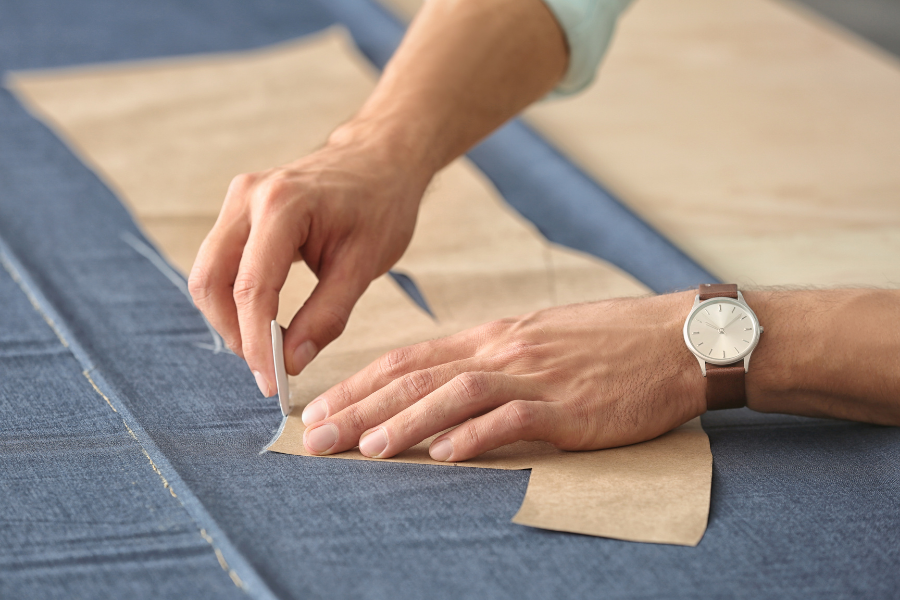
Hemming a wedding dress is not like hemming a pair of jeans. On a gown with layers of tulle, underlining, and a lace or satin overlay, a seamstress may need to cut and finish four or five separate fabric layers to get a clean, even hem. For a silk charmeuse gown, machine hemming is rarely appropriate. Hand-rolling or horsehair hem tape produces a much better result. Bustles — the loops or buttons that lift your train for dancing — come in several styles including French, ballroom, and American bustles. Each requires the seamstress to understand exactly where the gown's structure sits so the lift distributes weight evenly without pulling the back seam.
Taking in or letting out the bodice
Bridal gown sizing runs differently from ready-to-wear. Most samples are cut for a specific set of measurements, and your body is not a sample. Taking in a bodice at side seams is straightforward on many gowns, but if the gown has a boned corset or built-in structure, the alterations professional needs to remove and reattach boning channels, which adds time and cost. Letting a gown out is harder. Most gowns have only about one inch of seam allowance built in, so if you need more than that, it may require letting in fabric panels. This is where fabric matching becomes a real challenge, especially on patterned lace.
Strap and neckline adjustments
Spaghetti straps that slip off shoulders, strapless bodices that gap, and halter necklines that pull — these are all fixable, but the fix has to account for the weight of the skirt pulling down on the bodice all day. A good bridal alterations pro will assess where the stress points are before adjusting anything. On a silk or satin gown, needle holes from any adjustment are permanent, so you want someone who plans carefully before they cut or pin.
Understanding Your Gown's Fabric Before Your First Appointment
The fabric your gown is made from directly affects how difficult alterations will be and what techniques your seamstress will use. Bridal shops and online retailers are not always forthcoming about fabric content, so it pays to check the label yourself before your first alterations appointment.
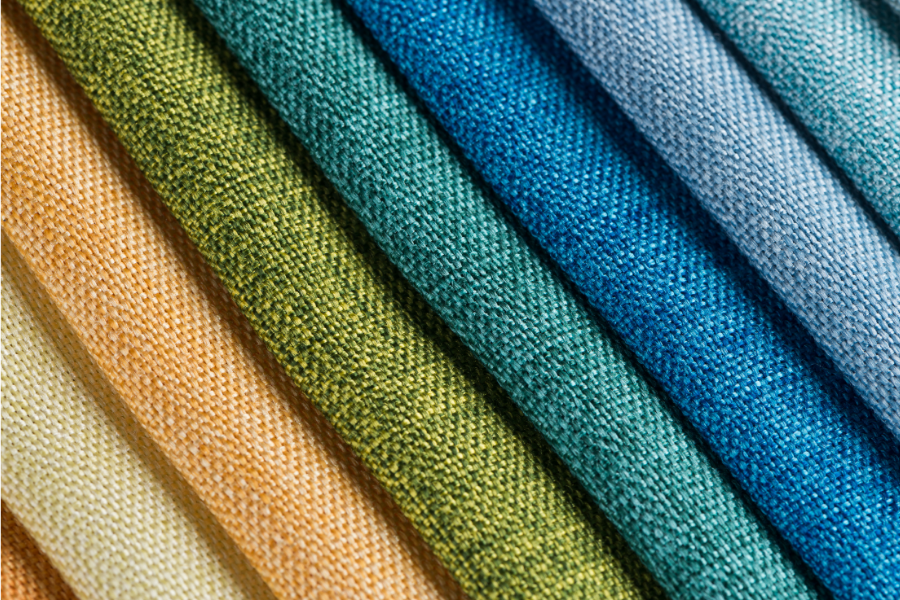
Silk charmeuse and silk satin are the most expensive to alter because they show every pin mark, slide during cutting, and fray if a seam is not finished properly. Polyester satin is more forgiving to work with but can look flat under natural light. Chiffon layers add complexity to hemming because each layer behaves differently. Lace — especially allover lace with a scalloped hem — may need to be hand-cut around each motif to avoid a choppy edge, which takes hours of careful work. Tulle is forgiving in terms of cutting but adds bulk at the hem. If you are wearing a gown with any of these fabrics, ask your alterations professional directly whether they have worked with that specific material before. It is a fair question and a good test of their experience.
If your gown's fabric is something you want to understand better before your appointment, our team at Sewing Studio Fabrics is happy to help you identify fiber content and talk through what that means for alterations. We work with natural-fiber fabrics every day in our Asheville shop, and we can tell you quickly whether what you are looking at is silk, polyester, or a blend.
Budgeting for Wedding Dress Alterations in the Asheville Area
Bridal alterations pricing varies widely. According to a 2023 survey by The Knot, brides in the United States spent an average of $500 to $700 on wedding dress alterations, with complex gowns running $1,000 or more. Asheville's cost of living and the concentration of skilled bridal artisans in the area means you can expect pricing in that same range or slightly above, depending on the seamstress and the complexity of the gown.
When you get a quote, ask whether it is itemized or a flat fee. Itemized quotes help you understand where the time is going and make it easier to decide if you want to skip a lower-priority alteration. Always ask what a revision costs if the fit is not right after the first adjustment — most alterations professionals include one revision in their base quote, but not all do. Budget a cushion of 15 to 20 percent above the original quote for unexpected complications, because wedding gowns have a way of revealing structural quirks once the work starts. If you are also planning to wear a special robe or getting-ready outfit, check out our collection of wedding day robes to complete the full bridal experience from getting dressed to walking down the aisle.
Frequently Asked Questions
How early should I book wedding dress alterations in Asheville?
Book as soon as your gown arrives, ideally 12 to 16 weeks before your wedding date. Popular bridal alterations professionals in Asheville fill up quickly during peak wedding season, which runs spring through fall. If your wedding falls in October, reaching out in June is not too early. You want time for at least three fittings with space between each one.
Can I use a regular tailor for my wedding dress?
You can, but it carries real risk. A general tailor may not have experience with boning, bustles, silk charmeuse, or the structural demands of a full-length gown. Ask directly about their bridal experience and request to see examples of previous bridal work before you commit. For a simple sheath dress in a stable fabric, a skilled tailor may do just fine.
What should I bring to my alterations appointment?
Bring your wedding shoes at the exact heel height you plan to wear, the undergarments you will wear on the day, and any shapewear or corsetry. The hem length depends entirely on your shoes, and the bodice fit shifts depending on what you are wearing underneath. Showing up without these items makes it impossible to get an accurate fitting.
How many fittings will I need?
Most bridal alterations require two to three fittings. The first is a consultation and pinning session. The second checks the initial work and addresses any adjustments. The third is a final check, ideally four to six weeks before your wedding. Complex gowns with beading, lace, or a corset back may need a fourth fitting.
Will alterations affect my gown's warranty or return policy?
Yes, in most cases. Once a gown is altered, bridal shops and designers will not accept returns or exchanges. Make sure you are fully committed to the gown before you authorize any cutting or sewing. Read the purchase agreement from your bridal shop carefully, and ask about their policy in writing before your first alterations appointment.
What is a bustle and do I need one?
A bustle is a system of loops, buttons, or ties that lift and secure your train so you can walk and dance freely after the ceremony. If your gown has a train longer than a few inches, you almost certainly need a bustle. The style and complexity depend on your gown's construction. Ask your alterations professional to show you how to work it, and have your maid of honor practice it too.
Can alterations fix a gown that is multiple sizes too large?
It depends on the gown's construction. Taking in two sizes at the side seams is possible on many styles, but it can shift the placement of design details like a centered lace panel or a back zipper. Going more than two sizes usually requires restructuring the gown rather than simple alterations, which significantly increases cost and complexity.
Start Your Bridal Alterations Journey With the Right Information
Walking into your first alterations appointment knowing your gown's fabric, your timeline, and the right questions to ask puts you in a much stronger position than most brides. Asheville has talented bridal seamstresses, and the more clearly you can communicate what your gown needs, the better results you will get. If you need help identifying your gown's fabric or you want to shop beautifully crafted natural-fiber fabrics for a custom bridal project, come see us in Asheville or browse our full collection at sewingstudio.com.