



vintage wedding dress restoration
Key Takeaways
Restoring a vintage wedding dress requires matching the original fiber content before touching anything else. Assess the fabric condition, source period-appropriate materials, and work with the most damaged areas last. Whether you are freshening a 1950s satin gown or repairing a 1970s lace overlay, the right fabric and notions make the difference between a restored heirloom and a patchwork repair.
- Identify the fiber content first using a burn test or professional textile appraisal before laundering or repairing
- Vintage silk and rayon require pH-neutral, oxygen-free storage conditions to slow ongoing degradation
- Lace matching is the hardest part of most restorations and may require sourcing from specialty importers or vintage textile dealers
- Structural repairs to bodice boning or seams must account for the fragility of aged fabric around them
- Some gowns need professional textile conservators rather than home restoration, and knowing which is which protects the heirloom
What You Are Actually Working With Before You Pick Up a Needle
Vintage wedding dresses span nearly a century of completely different manufacturing standards, fiber technologies, and construction techniques. A 1940s gown is likely made from silk charmeuse or rayon crepe, sometimes with wartime fabric-saving seams. A 1980s dress might be polyester duchess satin with illusion netting that has yellowed from UV exposure. Before you open a seam or soak anything in a cleaning solution, you need to know what the fabric actually is. Fiber content changes everything: your cleaning method, your iron temperature, your thread choice, and whether you can even find a matching replacement fabric at all. The Smithsonian National Museum of American History textile conservation guidelines recommend fiber identification as the non-negotiable first step in any textile restoration project. A burn test on a hidden seam allowance is a reliable home method. A snip of fiber that curls, smells like burning hair, and leaves a crushable ash is protein-based, meaning silk or wool. One that melts, beads, and smells like plastic is synthetic. When in doubt, a textile conservator can confirm fiber content in an hour.
Cleaning a Yellowed or Stained Wedding Gown Without Causing More Damage
Yellowing in vintage wedding gowns comes from two separate sources, and treating them differently matters. Oxidation yellowing from aging silk or rayon responds to gentle wet cleaning in distilled water with a pH-neutral soap like Orvus Paste, which the textile conservation field has used for decades on historic textiles. Yellowing from improper storage in acidic tissue or wooden boxes is tannin migration and may not be fully reversible. Never use chlorine bleach on any natural fiber. Oxygen-based brighteners like those in some gentle laundry products work on cotton and linen but can strip the sericin coating from silk, leaving it limp and prone to shattering. Spot-test every cleaning agent on the inside of a seam allowance and wait 24 hours before applying it to a visible area. For dresses with significant beading, embroidery, or attached lace, wet cleaning risks loosening adhesives and distorting thread tension. In those cases, dry cleaning by a specialist who understands vintage textiles is worth the extra cost. Avoid any cleaner marketing itself as a "wedding gown preservation kit" without reviewing the ingredient list for alkalinity.
What to Do With Sweat Stains and Hemline Dirt
Hemline soil on vintage gowns is often a combination of ground-in dirt and oxidized fabric. Gentle agitation with a soft-bristled toothbrush and diluted Orvus in cool distilled water lifts a lot of it without abrasion damage. Underarm staining from perspiration is protein-based and responds to an enzymatic treatment, but enzyme cleaners are aggressive and can degrade silk if left on too long. Limit enzyme contact to five minutes, rinse thoroughly, and never apply heat until the stain is fully gone since heat sets protein stains permanently.
Matching Fabrics for Repairs: The Part That Takes the Longest
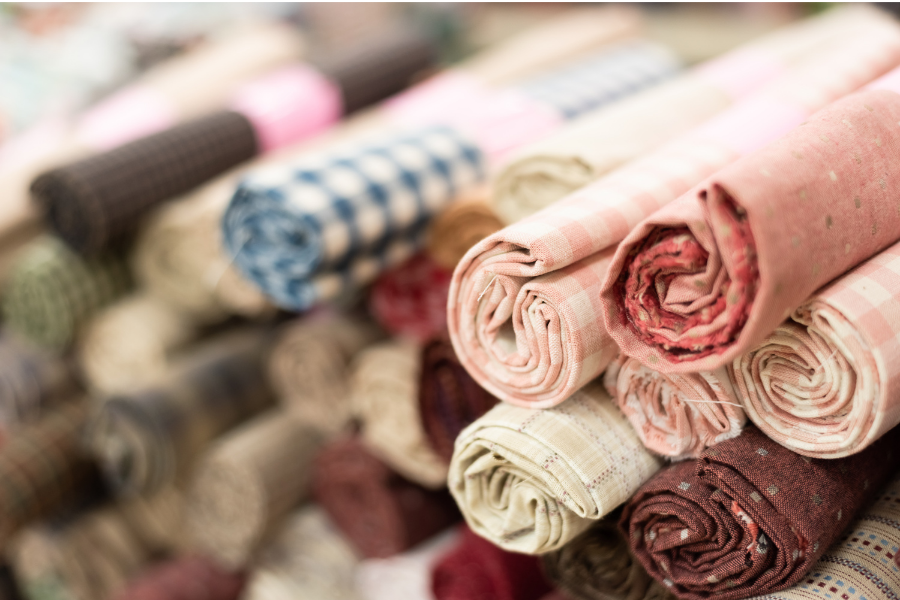
Fabric matching for a vintage gown restoration is genuinely hard, and anyone who tells you otherwise has not tried to source 1960s Alençon lace on a deadline. The challenge is threefold: finding a fabric that matches visually, matches in fiber content, and has the same hand and weight as the original. Silk charmeuse woven today has a different luster than a 1950s charmeuse because thread counts and weaving equipment have changed. For structural repairs to body panels, the closest match you can usually find is a high-quality silk charmeuse or silk crepe de chine from a reputable supplier. Understanding how different silk weights and weave structures affect drape and recovery is exactly what our wedding dress fabric guide covers in detail, and it is worth reading before you commit to a fabric for any repair. For lace, check specialty importers like M&J Trimming, French General, and established Etsy sellers with verifiable vintage stock. For cotton eyelet or broderie anglaise from the 1950s and 1960s, Swiss and Austrian mills still produce comparable weights through wholesale suppliers. Take a physical swatch of the original gown fabric with you when sourcing. Photos on a screen cannot replicate hand, weight, or sheen.
Sourcing Silk for Older Gowns
Silk momme weight matters enormously in restoration work. A 1940s bias-cut gown is likely made from 12-16mm silk charmeuse. Replacing a torn panel with 8mm charmeuse will drape completely differently and read as a patch even if the color matches. Ask your fabric supplier for the momme weight before ordering. At Sewing Studio Fabrics, we stock silk charmeuse and crepe de chine in multiple weights and can help you match what you have brought in.
Structural Repairs: Seams, Boning, and Bodice Construction
The structural parts of a vintage gown are often more compromised than they look. Aged silk satin shatters along fold lines from years of stress, meaning a seam repair that pulls on the surrounding fabric can split it further. When restitching a seam in a fragile gown, use a fine needle (size 60 or 70 Microtex) and 100-weight silk thread if you can find it, or a fine 60-weight cotton-wrapped polyester as a secondary option. Reduce your machine tension by 20 to 30 percent from your usual setting and stitch at a slow, even pace. Never backstitch at seam ends on fragile vintage fabric. Use short thread tails and tie them off by hand instead. Boning in vintage bodices is almost always steel or cane, and replacement steel boning from a reputable notions supplier is the appropriate modern substitute. Plastic spiral boning lacks the rigidity these period bodice constructions rely on and will change the silhouette. If the original boning channels are intact but the boning has corroded, you can often slide new flat steel boning in from the top of the channel without reopening the seam. The American Institute for Conservation maintains a public directory of member textile conservators at culturalheritage.org, which is a useful resource when structural repairs exceed what home restoration can safely address.
Frequently Asked Questions
How do I know if a vintage wedding dress is too fragile to restore at home?
If the fabric shreds or splits when you handle it gently, or if beading, embroidery, and lace are attached to a base fabric that is already deteriorating, the gown needs a professional textile conservator rather than a home repair. Shattering silk, where the fabric breaks along fold lines in a crispy way, is a sign the fiber has degraded past the point of safe home handling. The American Institute for Conservation can connect you with a qualified textile conservator.
Can I dye a yellowed vintage wedding dress white again?
Dyeing a yellowed gown back to white is rarely a good outcome. Most whitening dyes are designed for synthetic fibers. On silk or rayon, they can cause uneven results or further fiber damage. Gentle wet cleaning removes surface yellowing in many cases. Deep oxidation yellowing is usually irreversible, and trying to chemically whiten it risks destroying what fabric integrity remains.
What thread should I use for repairing vintage silk?
100-weight silk thread is the gold standard for repairing vintage silk gowns because it has similar elasticity and responds to heat the same way the base fabric does. Fine 60-weight cotton-wrapped polyester thread is an acceptable substitute and easier to source. Avoid standard 40-weight all-purpose thread on delicate vintage fabric. The heavier thread creates too much tension and can stress fragile weaves further.
How should I store a vintage wedding dress after restoration?
Store a restored vintage gown in acid-free tissue and an acid-free box, never in a plastic garment bag, which traps humidity and accelerates yellowing. Pad any folds with loose rolls of acid-free tissue to reduce crease stress. Keep it in a climate-controlled space away from light, humidity fluctuations, and direct HVAC airflow. The Library of Congress textile preservation guidelines recommend stable humidity between 30 and 50 percent relative humidity.
Is it possible to alter a vintage wedding dress to a different size without damaging it?
Letting out seams is more feasible than taking in, since it requires less contact with the fashion fabric. Most vintage gowns have narrow seam allowances of 3/8 inch or less, which limits how much you can add. Taking in a vintage gown involves stitching through the original fabric under tension and risks shredding fragile weaves at the needle holes. A fitting consultation with an experienced alterations professional who works with vintage textiles is worth it before you commit to any size changes.
Where can I find matching lace for a vintage wedding dress repair?
Matching vintage lace is genuinely one of the hardest parts of gown restoration. Start with specialty suppliers like M&J Trimming in New York and established vintage textile sellers on Etsy with verifiable stock and good reviews. French and Belgian lace importers sometimes carry production remnants close to historical patterns. Bring a physical swatch rather than relying on photos, because scale, weight, and fiber content all need to match, not just the visual pattern.
Can I machine wash a vintage wedding dress?
Machine washing is too risky for most vintage wedding gowns, even on a delicate cycle. The agitation and spin cycle stress aged seams and can shatter fragile silk or rayon. Hand washing in a clean bathtub with cool distilled water and pH-neutral soap is safer for washable natural fibers. Many vintage gowns with attached embellishments, structured bodices, or fragile lace should skip wet cleaning entirely and go to a specialist instead.
Bring Your Vintage Gown Project to Sewing Studio Fabrics
Restoring a wedding dress that has been in a family for decades is one of the most meaningful sewing projects you can take on. It is also one of the most unforgiving when materials do not match or techniques fall short. At Sewing Studio Fabrics, we stock silk charmeuse, crepe de chine, organza, and a range of bridal fabrics in weights and qualities suited to restoration work. Our team in Asheville genuinely loves talking through restoration challenges, whether that means helping you match a fabric swatch, identifying a notions source, or pointing you toward a class that builds the skills this kind of project requires. Shop our curated fabric selection at sewingstudio.com or visit us in Asheville.