



vintage wedding dress restoration
Key Takeaways
Restoring a vintage wedding dress requires matching fiber content before you touch a single seam. Most heirloom gowns from the 1950s through 1980s are silk, rayon, or cotton lace — fabrics that behave very differently under needle and iron. Choose restoration materials that honor the original construction, and always test on a hidden seam allowance before committing to any cleaning or repair method.
- Identify the original fiber content through burn testing or a professional textile conservator before selecting replacement fabric.
- Silk charmeuse, silk organza, and cotton lace are the most common fabrics in vintage gowns and each requires a different repair approach.
- Yellowing is usually oxidation in silk or rayon, not dirt — standard laundering often causes more damage than the original staining.
- Hand stitching with fine silk thread preserves the drape and flexibility of delicate vintage seams far better than machine stitching.
- Sourcing fabric from a dedicated bridal fabric store gives you access to the natural-fiber options that actually match heirloom construction.
What Vintage Wedding Dress Restoration Actually Involves
Restoration is not the same as alteration. When you restore a vintage wedding dress, the goal is to bring the garment as close as possible to its original condition while keeping the structural integrity intact. That might mean replacing a shredded hem facing with a fabric that matches the original weave, reattaching detached lace appliques using period-appropriate hand techniques, or carefully stabilizing a split seam in silk that has degraded along the grain. The work ranges from straightforward to genuinely complex depending on the age of the gown, how it was stored, and what repairs were attempted before it reached your hands. A gown worn once in 1962 and stored in acid-free tissue inside a sealed box presents very different challenges than one that lived in a humid attic for forty years.
How to Identify the Fiber Content of a Vintage Gown
Before you purchase a single yard of replacement fabric, you need to know exactly what the original dress is made from. Care labels were not federally required in the United States until the Federal Trade Commission issued its Care Labeling Rule in 1971 (Federal Trade Commission, ftc.gov), so any dress made before that year may have no label at all. That leaves you with two reliable options.
The first is a burn test, performed on a seam allowance thread or a loose fiber from an interior hem. Silk burns slowly, smells like burning hair, and leaves a crushable ash. Rayon burns quickly like paper and leaves almost no ash. Cotton burns similarly to rayon but more slowly, and nylon melts into a hard bead. Polyester blends behave differently again. The second option is consulting a textile conservator, which the American Institute for Conservation (culturalheritage.org) recommends for any garment with significant monetary or sentimental value. A conservator can identify fiber content, assess structural weakness, and advise on safe cleaning before you commit to any repair plan.
Why Fiber Matching Matters More Than Color Matching
Many home sewists focus on getting the color right and underestimate how much fiber mismatch shows in finished repairs. A polyester organza patch on a silk organza bodice will reflect light differently, resist dye differently over time, and behave differently under pressing. Even within silk, a habotai-weight replacement on a charmeuse panel will catch shadows in a way that reads as a clearly visible repair. Match the fiber first, then match the weight, then work on color. In that order, your repairs become nearly invisible.
The Most Common Fabrics in Vintage Wedding Gowns by Era
Knowing the decade helps you predict what you are working with. Gowns from the late 1940s and 1950s often use heavy duchess satin, silk taffeta, or cotton-blend lace with structured boning channels. The 1960s introduced more A-line silhouettes in silk organza and lighter silk charmeuse, often with minimal understructure. By the 1970s, many gowns shifted toward cotton voile, cotton eyelet, and Victorian-revival lace styles using Cluny or Venetian cotton lace. The 1980s brought heavy beading on polyester georgette and nylon tulle, plus structured sleeves with significant interfacing. Each era has its own construction logic, and understanding that logic helps you source the right replacement fabric and choose the right stabilization technique for any repair.
Replacing Damaged Lace Sections
Lace replacement is one of the trickiest parts of vintage restoration because no two lace patterns are identical. Your best strategy is to source the closest match you can find in cotton or silk lace, then position the replacement piece so any pattern interruption falls at a seam or under a design element. Avoid stretching the replacement lace to fit a slightly larger damaged area — this distorts the scale of the motif and reads as obviously new. Cut generously, hand baste first, and trim after you confirm the placement is correct.
Cleaning Before You Sew: A Step You Cannot Skip
Attempting to sew on a soiled or chemically unstable fabric is a mistake that wastes both time and materials. Yellowing in silk and rayon is almost always oxidation, which means oxygen interacted with the protein or cellulose fibers over decades of storage. Standard laundry detergents contain optical brighteners and enzymes that can strip dye from natural fibers or accelerate fiber breakdown in already-fragile fabric. The Smithsonian's National Museum of American History textile conservation team (americanhistory.si.edu) recommends testing any cleaning agent on an inconspicuous area and allowing it to dry completely before assessing the result. For significant yellowing or staining, a professional wet cleaning service that specializes in wedding gowns or heirloom textiles is worth the cost. Once the gown is stable and clean, you can assess the actual structural damage with clear eyes and proceed with repairs on fabric that will hold your stitches reliably.
Choosing Replacement Fabric and Thread for Restoration Work
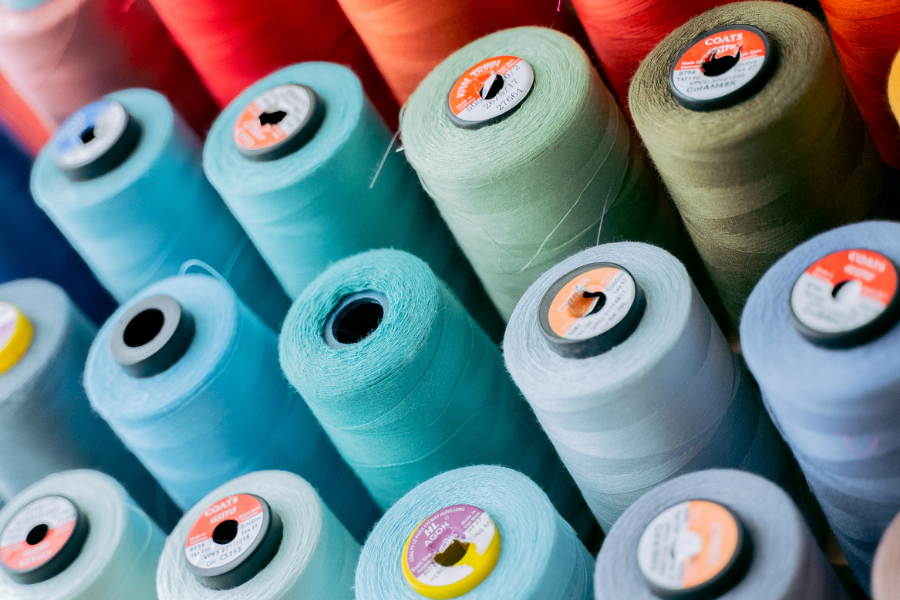
The practical criteria for selecting restoration fabric come down to four things: fiber content match, weight match, weave structure match, and dye stability. You want a fabric that will age at roughly the same rate as the original so your repair does not stand out in twenty years. For thread, silk thread is the right choice for any gown made from silk or fine natural fiber. It has a natural give that allows seams to flex without stressing the surrounding fabric, and it accepts wear without cutting through weakened fibers the way a tightly spun polyester thread can. Gutermann and Coats carry silk thread in a range of neutrals, but for restoration work a fine hand-quilting silk or a dedicated silk embroidery thread often gives better results on delicate fabrics. Avoid any thread that is heavier in weight than what the original garment used.
Pressing and Heat Considerations
Pressing vintage silk without a pressing cloth is one of the fastest ways to cause permanent damage. Use a silk organza pressing cloth or a piece of clean cotton voile, work with a dry iron at the lowest silk setting, and never use steam directly on beaded sections or hand-applied embellishments. The heat from steam can loosen hand-sewn beads and warp synthetic decorative elements even on otherwise all-natural gowns.
Frequently Asked Questions
Can I restore a vintage wedding dress at home or do I need a professional?
Many repairs are accessible to a confident home sewist: reattaching a hem, replacing a button, stabilizing a split seam. Work that involves significant structural reconstruction, heavily beaded sections, or chemically degraded fabric is better handled by a trained textile conservator. Be honest about your skill level and the stakes involved before deciding.
How do I find replacement lace that matches a 1950s or 1960s gown?
Specialty fabric stores that carry natural-fiber bridal materials are your best starting point. Estate sales, vintage textile dealers, and online lace importers that source from French or Belgian mills sometimes carry patterns that approximate older designs. Bring a photograph and a small fabric sample when possible to compare in person.
What causes wedding dress yellowing and can it be reversed?
Yellowing in natural-fiber gowns is usually oxidation of the fiber itself, sometimes combined with residual body oils or dry-cleaning solvent residue. It can be partially reversed with professional wet cleaning using oxygen-safe treatments, but results depend heavily on the fiber and severity. Deep yellow in aged silk may be permanent.
Is polyester a reasonable substitute if I cannot find silk replacement fabric?
Polyester is a poor substitute for most vintage restoration work because it reflects light differently, behaves differently under pressing, and will age at a completely different rate than the surrounding natural fiber. The mismatch becomes more visible over time, not less. A lighter-weight natural-fiber silk or rayon is almost always a better choice.
How should I store a restored vintage wedding dress after repairs are complete?
Store the gown in acid-free tissue paper inside an acid-free box, never in a sealed plastic bag or a cedar chest. The Library of Congress textile preservation guidelines (loc.gov) recommend avoiding light, fluctuating humidity, and direct contact with wood or cardboard that has not been buffered to a neutral pH.
What weight of silk works best for replacing damaged bodice panels?
Match the drape and hand of the original as closely as possible. Duchess satin typically weighs between 60 and 90 grams per square meter. Charmeuse runs lighter, around 40 to 55 grams. Bring a small section of the original to a fabric store and compare the drape side by side before purchasing replacement yardage.
Can I dye replacement fabric to match the original aged color?
Yes, with care. Natural-fiber fabrics accept fiber-reactive or acid dyes well. Start with an undyed or natural white base fabric and work in small test batches to approximate the warmth and tone of the aged original. Tea dyeing gives an approximate warm yellow tone but fades unpredictably over time compared to proper fiber-reactive dye.
Start Your Restoration With the Right Fabric in Hand
Vintage wedding dress restoration rewards patience and good materials in equal measure. The difference between a repair that lasts and one that fails in five years almost always comes down to fiber content and construction quality. Working from a thoughtful plan, matching materials with care, and taking time to hand stitch rather than rush through repairs will serve you far better than any shortcut. If you are sourcing silk charmeuse, cotton lace, organza, or any other natural-fiber bridal fabric for restoration work, shop our curated fabric selection at sewingstudio.com or visit us in Asheville.
```