


upcycling fabric projects
Key Takeaways
Upcycling fabric projects give worn-out clothes, curtains, and textile scraps a second life as something you actually want to wear or use. With the right cutting strategy, a few good notions, and a pattern sized for irregular yardage, you can produce finished garments and home goods that cost less, waste less, and carry a story worth telling.
- Deconstruct garments fully before cutting — seams, linings, and interfacing change your usable yardage more than you expect.
- Pre-wash upcycled fabric at least twice to remove finishes, odors, and any residual shrinkage before you cut your pattern pieces.
- Choose patterns with low yardage requirements and simple silhouettes: bias cuts and large pattern repeats eat through reclaimed fabric fast.
- Patchwork and intentional piecing let you work around stains, worn areas, and small cuts without wasting the good parts of the cloth.
- Natural fibers — cotton, linen, wool, silk — upcycle far better than synthetic blends, which degrade faster and are harder to alter structurally.
What Makes Upcycling Fabric Projects Different From Buying New Yardage
Working with new fabric from a bolt is straightforward: you know the width, the fiber content, and roughly how it will behave. Upcycling asks you to think like a detective. A thrifted linen tablecloth might give you exactly 2.5 yards of clean, well-washed fabric. A pair of men's wool trousers might yield enough for a child's vest plus a coin pouch. The yardage is fixed, the grain may be off, and the fabric has already lived a life. That constraint is actually one of the best design teachers available to a sewist. It forces you to plan carefully, piece creatively, and make intentional choices about what goes where in a finished garment.
The Best Source Materials for Upcycling Fabric Projects
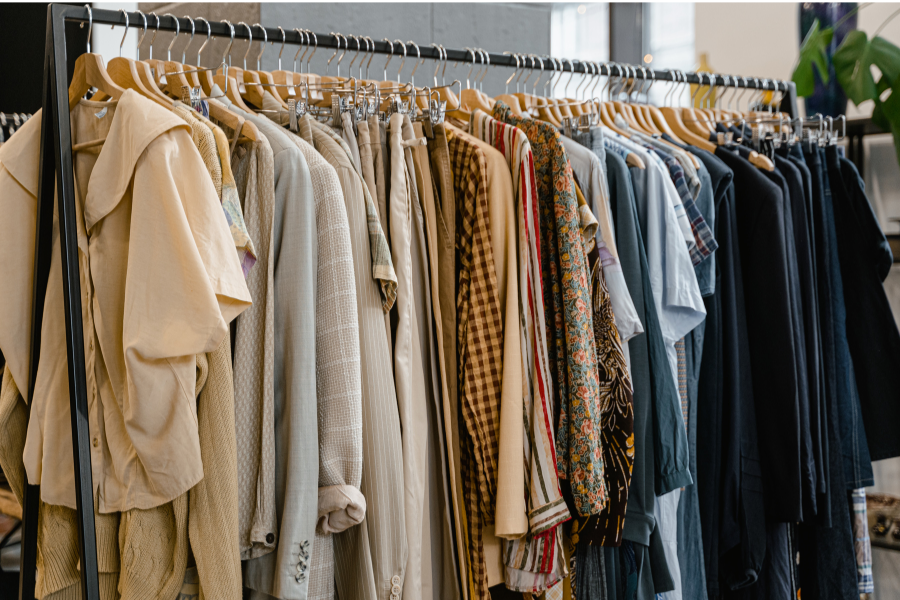
Not every thrift store find is worth your time. The items that consistently produce the most usable fabric are adult dress shirts (front plackets aside, the backs are like mini bolts of tightly woven cotton), linen tablecloths and napkins, men's wool trousers, denim jeans, and vintage curtain panels. Silk scarves and blouses are worth grabbing too, though silk degrades with UV exposure, so hold the fabric up to light before you buy.
What to skip: anything with heavy polyester content, stretch velvet that has crushed pile, heavily treated wrinkle-resistant cotton (it resists your needle just as much as it resists wrinkles), and garments with widespread pilling or thin spots. A small stain or a worn cuff is fine. Fabric that has lost its structural integrity throughout is not worth the hours you will spend on it.
Checking Fiber Content Without a Label
Thrifted items rarely have intact care labels. A simple burn test tells you a lot: cotton and linen burn cleanly and smell like paper, wool smolders and smells like hair, synthetics melt and leave a hard bead. The Textile Exchange, a nonprofit fiber standards organization, publishes a clear fiber identification chart that is worth bookmarking if you do this regularly. Knowing your fiber content before you wash and cut saves you from accidentally fulling a delicate wool or melting a polyester lining with a hot iron.
Deconstructing and Preparing Your Reclaimed Fabric
Deconstruction is where most beginners shortchange themselves. Pulling a seam with a seam ripper takes time, but it recovers fabric that cutting through seams destroys. A pair of men's trousers, fully deconstructed, gives you two large front panels, two back panels, a waistband, pocket bags, and sometimes a full lining — all separate pieces you can press flat and treat as individual cloth cuts.
Once deconstructed, press every piece flat before you measure. Seam allowances that were folded for years will skew your measurements if you skip this step. Then wash everything at the hottest temperature the fiber can tolerate. Wool gets a cool hand wash; cotton and linen can handle a hot machine cycle. Wash twice if the fabric smells musty or has been stored for a long time. After washing, press again on the appropriate setting and measure what you actually have.
Working Around Damage and Wear
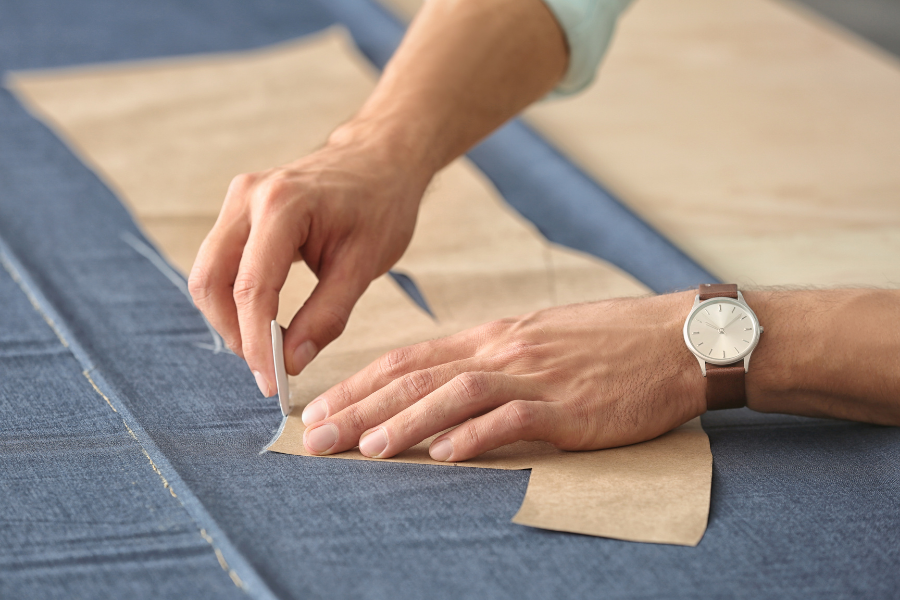
Lay your pattern pieces on the fabric and mark any problem areas — stains, thin spots, holes — with tailor's chalk before you start. Then treat those marked zones exactly like a fabric border you want to avoid. In many projects, worn areas end up in seam allowances or hem allowances where they disappear entirely. If damage is more widespread, consider a patchwork approach: piece two or three cuts of compatible fabric together first, press the seams flat, and then lay your pattern piece over the pieced unit as if it were a single cloth. This works especially well for structured pieces like bodices and bags.
Patterns That Work Well With Limited or Irregular Yardage
Pattern choice matters as much as fabric choice when you are working with reclaimed material. Look for patterns that require 1.5 yards or less for your size, have no large pattern repeats to match, and use simple geometric shapes. True Bias's Ogden Cami requires roughly 1 yard for a size medium and works beautifully in a reclaimed silk blouse. Grainline Studio's Stowe Bag is designed for quilting cotton cuts and adapts well to patchworked denim or canvas. Closet Core's Cielo Blouse is forgiving of irregular grain because of its relaxed, boxy silhouette.
Where upcycling gets tricky is with fitted patterns that need matching pieces cut on identical grain. If your reclaimed fabric has any warp or weft distortion from years of use, fitted sleeves and tailored bodices will fight you. Save highly structured garments for new yardage and let upcycled cloth shine in relaxed silhouettes, bags, children's clothing, and patchwork projects. That is not a limitation — it is just an honest assessment of where each material type performs best.
Using Scraps for Notions and Finishing Details
Even after you cut your main pattern pieces, the offcuts from upcycled fabric have uses. Narrow strips of reclaimed cotton or linen make excellent handmade bias tape for binding necklines and armholes. Small squares become pockets, button loops, or fabric-covered buttons. If you sew with children's patterns, offcuts from adult garments are often large enough to cut an entire kids' top. Nothing gets thrown away in a well-organized upcycling session.
Frequently Asked Questions
Can I upcycle fabric that has a strong musty smell?
Yes, in most cases. Wash the item twice in hot water with half a cup of white distilled vinegar added to the rinse cycle. Air dry in direct sunlight when possible. If the smell persists after two washes, the fabric may have mold damage at the fiber level, which washing alone will not fix. Trust your nose — if it still smells after two rounds, move on.
How do I know if reclaimed wool is safe to full or felt?
Test a small swatch first. Cut a 4-inch square and wash it in hot water with agitation. If it shrinks significantly and the fibers lock together, the wool is feltable. If it barely changes, the fabric has likely already been treated or is a wool blend that resists fulling. Always test before committing your full deconstructed yardage to a felting project.
What sewing notions do I need specifically for upcycling projects?
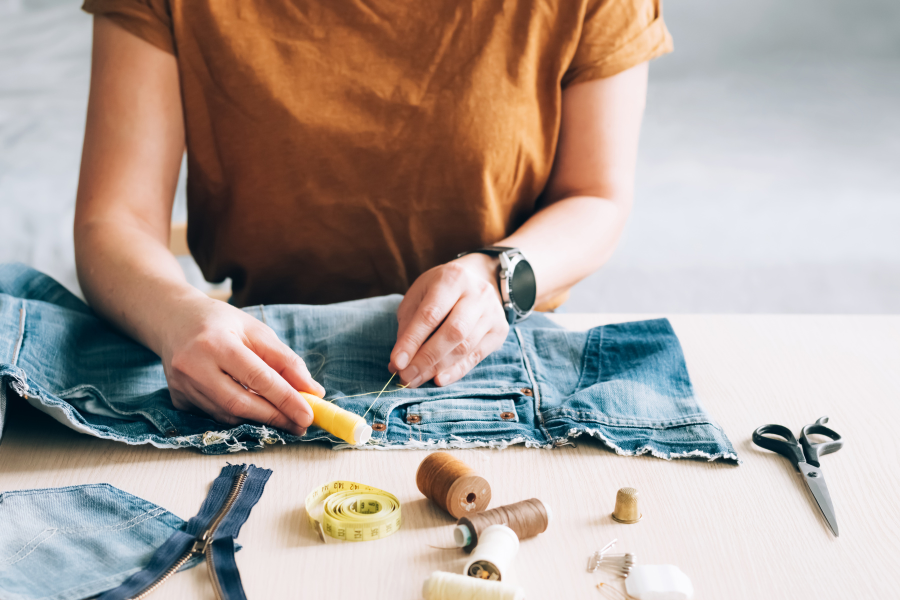
A quality seam ripper is non-negotiable — the Clover 482/W is widely recommended in the sewing community for its fine tip. You will also want tailor's chalk or a marking pen to note damaged areas, sharp dressmaker shears (reclaimed fabric is often denser than new cloth), and a pressing cloth to protect older silk or wool fibers from direct iron contact.
Is upcycling fabric actually more sustainable than buying new natural fiber yardage?
It depends on what you compare. Reclaimed fabric avoids new fiber production and dyeing, which are water and chemical-intensive processes. The National Resources Defense Council notes that textile dyeing is one of the largest contributors to water pollution globally. That said, a new certified-organic cotton from a small mill is a responsible choice too. The most sustainable fabric is genuinely the one you already own.
Can beginners take on upcycling fabric projects, or is it better to start with new fabric?
Beginners can absolutely upcycle, but start with simple projects: tote bags from denim jeans, a pillowcase from a linen shirt, a child's skirt from an adult dress. Save fitted garments from reclaimed fabric for when you have some fitting experience. Asheville sewing classes are a great place to try your first upcycling project with guidance nearby.
How do I handle grain lines when reclaimed fabric has been cut irregularly?
Press the fabric thoroughly, then find the true grain by pulling a single thread across the width and cutting along that line. This gives you a clean straight edge to align your pattern's grain line arrow against. Skipping this step is the single most common reason upcycled garments hang oddly after construction.
What is the best way to store reclaimed fabric scraps between projects?
Fold and sort by fiber type, not by color or project. Storing wool with cotton can transfer moth damage if any is present. Clear bins by fiber type make it easy to grab the right material quickly. Label each bin with fiber content, approximate yardage, and any notes on damage or shrinkage you have already done.
Start Your Next Project With Fabric That Already Has a History
Upcycling fabric projects connect you to a longer tradition of making do and making well. Every deconstructed shirt and repurposed tablecloth is a small argument against the idea that making things requires buying new things. If you want to go deeper into the values and practices behind this kind of sewing, our sustainable sewing asheville guide covers the broader picture of responsible fabric choices, local resources, and how the Asheville sewing community approaches the craft. And when your upcycled project calls for a little new yardage to supplement what you have, you will find natural fibers, indie patterns, and the notions you need at sewingstudio.com or in our Asheville shop.