



The Complete Guide to Cotton Voile
Key Takeaways
- Cotton voile is a lightweight, semi-sheer woven fabric prized for its soft hand and gentle drape.
- It suits gathered dresses, blouses, and layered garments better than fitted, structured pieces.
- Its sheerness means many garments benefit from a lining or an underlayer.
- A fine needle, sharp scissors, and French seams keep voile looking polished rather than fragile.
Cotton voile has a quiet elegance that's easy to underestimate until you work with it. It's soft, breathable, and drapes with a gentle fluidity that heavier cottons can't match. If you're wondering whether voile belongs in your next project, here's what makes it special and how to sew it well.
What Is Cotton Voile

Voile is a plain-weave cotton fabric woven from fine, tightly twisted yarns, which is what gives it that soft, almost powdery hand. The weave is loose enough to let light through, so most voile reads as semi-sheer rather than fully opaque.
Despite its delicate feel, voile is 100% cotton in most cases, which means it breathes beautifully and takes dye in soft, often watercolor-like prints. It sits in the same lightweight cotton family as lawn and batiste, though voile tends to be slightly softer and more fluid than crisp lawn.
That combination of sheerness and softness is exactly why voile shows up so often in warm-weather garments. It moves with you instead of holding a stiff shape, which makes it feel closer to a natural extension of the body than something you're wearing over it.
How Voile Behaves and Drapes
Voile's defining trait is its drape. Because the yarns are fine and the weave is loose, the fabric falls in soft, fluid folds rather than holding a crisp shape. Hold a length up and you'll see it move almost like a light rayon, though the hand is distinctly cotton, dry and matte rather than silky.
That drape makes voile wonderful for anything gathered. Tiers, ruffles, and gathered waistbands all look lovely in voile because the fullness falls softly instead of standing out stiffly. It's less suited to structured silhouettes that need to hold a defined shape, since the fabric simply doesn't have the body for that.
Sheerness is the other trait to plan around. Most voile shows some see-through quality, more in lighter colors, less in darker ones. This isn't a flaw, but it does mean you'll want to think ahead about what goes underneath.
What to Sew With Cotton Voile
Voile earns its keep in garments where softness and movement matter more than structure. A few standout uses:
- Gathered and tiered dresses: The fullness falls beautifully, and the lightweight fabric doesn't add bulk at the waist or shoulders.
- Blouses and tops: A voile blouse feels airy and cool, ideal for the hottest days of summer.
- Layering pieces: A sheer voile overlay adds texture and visual interest over a solid underlayer.
- Children's garments: Its softness against the skin makes voile a popular choice for kids' summer clothes.
It's less suited to fitted bodices, tailored trousers, or anything that needs to hold a crisp line. For those, a firmer cotton like poplin is the better call.
Handling Sheerness: Lining and Underlayers
Because voile is semi-sheer, most garments benefit from some kind of underlayer, and planning for this before you cut saves a lot of second-guessing later.
A few approaches work well. A simple slip or cotton underlining sewn as its own layer gives you opacity without changing the drape of the visible voile. Self-lining, where you cut a second layer from the same voile, keeps the whole garment lightweight and breathable while adding coverage. For tops, a coordinating camisole underneath is often the simplest fix.
Consider the finished look you want, too. Some garments are designed to have a sheer overlay on purpose, like a voile popover top with a fitted layer beneath. Others just need enough opacity to be practical. Either way, decide this before cutting so you buy enough yardage for both layers.
Sewing Tips for Success
Voile rewards a gentle touch. Its fine weave can shift under a heavy hand, so a few adjustments make the process smoother.
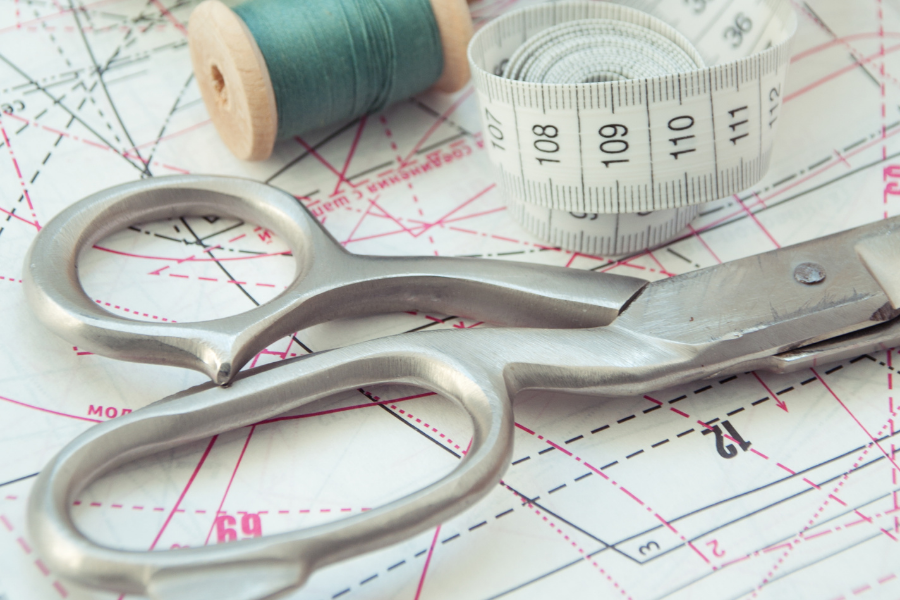
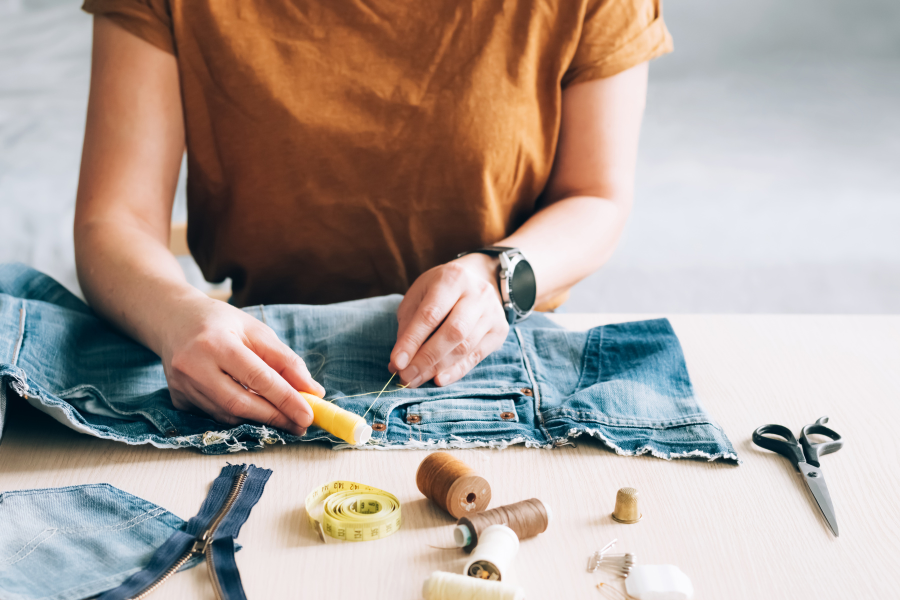
Use a fine, sharp needle, similar to what you'd use for other lightweight cottons, and a fresh needle at that, since a dull one can snag the delicate yarns. Sharp shears or a rotary cutter give a cleaner cut than dull scissors, which can fray the edges before you even start sewing.
Seam finishing matters more here than on heavier fabrics, since voile frays readily. French seams are the classic choice, fully enclosing the raw edge for a clean finish that holds up to washing. For hems, a narrow rolled hem keeps things light and in proportion with the fabric's delicate weight. And always prewash your voile, since cotton can shrink and you want your finished garment to keep its intended size.
Frequently Asked Questions
Is cotton voile see-through?
Most cotton voile has some sheerness because of its loose, fine weave, though the degree varies by color and dye. Darker colors tend to be less see-through than lighter ones. Many voile garments use a lining, self-lining, or an underlayer to add opacity where needed.
What's the difference between voile and lawn?
Both are lightweight, fine cottons, but voile has a softer, more fluid drape, while lawn is slightly crisper and holds more body. Voile suits gathered, flowing garments, while lawn works well for both soft blouses and pieces that want a touch more structure.
Can voile be used for a fitted garment?
Voile isn't the best choice for fitted, structured pieces since it lacks body and holds very little shape. It performs best in gathered, tiered, or loosely fitted garments where its soft drape can move freely.
Do I need to line a voile garment?
Often, yes. Because voile is semi-sheer, most dresses, skirts, and some tops benefit from a lining, self-lining, or a coordinating underlayer. Decide on your approach before cutting so you purchase enough fabric for both layers.
How do I keep voile from fraying?
French seams are the best option, since they fully enclose the raw edge and prevent unraveling. A narrow rolled hem also keeps edges tidy on this lightweight fabric. Using sharp cutting tools and handling the fabric gently reduces fraying from the start.
Summary
Cotton voile is a lightweight, semi-sheer cotton with a soft, fluid drape that shines in gathered dresses, breezy blouses, and layered summer pieces. Its delicate hand calls for a gentle approach: a fine sharp needle, careful cutting, French seams to prevent fraying, and a plan for lining or an underlayer if you want more opacity. Handle it thoughtfully and voile rewards you with some of the most comfortable, effortless warm-weather garments in your closet.