



suiting fabric by the yard
Key Takeaways
Buying suiting fabric by the yard gives you full control over your finished garment's quality, fit, and fiber content. Whether you are cutting a tailored blazer or wide-leg trousers, understanding how to calculate yardage, read fabric specs, and choose the right weight will save you money and frustration at the cutting table.
- Most suiting projects require 2.5 to 4 yards depending on the pattern envelope and your size range.
- Fabric weight (measured in ounces per square yard) matters more than hand feel alone when choosing suiting cloth.
- Wool, wool blends, and ponte knits each behave differently on the cutting table and at the iron.
- Preshrinking woven suiting before cutting prevents costly sizing surprises after construction.
- Lining and interfacing yardage should be calculated at the same time as your fashion fabric so you buy everything in one order.
How Much Suiting Fabric Do You Actually Need by the Yard?
The pattern envelope gives you a starting number, but that number assumes a standard 60-inch fabric width and no directional print or nap. If you are buying a narrower fabric, like a 54-inch wool crepe or a 45-inch suiting from a mill end, you will need to add at least half a yard to your total. Sizes above a size 18 or 20 in most indie patterns often need an extra three-quarters of a yard on top of that. A good rule of thumb: check the pattern's yardage chart for the largest size listed, then add 10 percent as a buffer for cutting errors, matching plaids, and fabric flaws. For a single-breasted blazer in a size 14 to 16, plan on 3 to 3.5 yards. For a full trouser cut in a wide-leg style like the Closet Core Sienna Maker Pants, budget 3 yards minimum.
Reading Fabric Weight and Weave When Shopping Online
When you shop for suiting fabric by the yard online, you cannot feel the cloth before buying. That makes the spec sheet your best tool. Fabric weight for suiting typically runs between 7 and 12 ounces per square yard (oz/sq yd). A 7 to 8 oz fabric works well for unlined summer blazers or lightweight trousers. Anything above 10 oz is a true winter suiting weight and holds its shape through structured tailoring techniques like pad stitching a lapel or welt pockets.
Weave Structure and What It Tells You
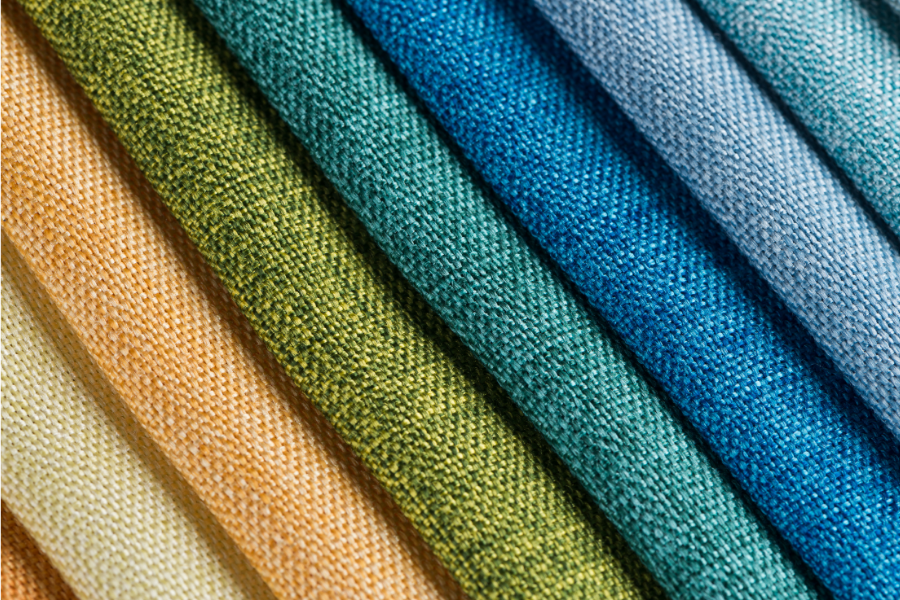
A twill weave, like a wool gabardine, has a diagonal rib and resists wrinkles well during wear. It also shows every pressing mistake clearly, so it rewards careful ironing. A plain weave suiting, like a linen-cotton blend, breathes better but wrinkles more aggressively. A boucle or textured suiting hides stitching imperfections but adds bulk at seams, so grading and clipping become more important steps. Always check whether the listing describes the weave structure. If it does not, ask before you order. At Sewing Studio Fabrics, every fabric listing includes weave notes and care instructions so you can make an informed call from your laptop.
Wool, Wool Blends, and Alternatives: Choosing the Right Fiber
Pure wool suiting is the gold standard for tailored garments. It responds to steam pressing in a way that synthetic fibers simply do not, which is how you get a collar to roll and a chest piece to mold. The tradeoff is cost and care. A quality 100 percent wool suiting can run $30 to $60 per yard, and most pieces need dry cleaning or very careful hand washing. Wool blends, typically wool with 5 to 15 percent nylon or polyester, bring the price down and improve durability at high-stress points like the seat of trousers, but they do not press as crisply.
Ponte Knit as a Suiting Alternative
Ponte knit has earned its place in the home sewer's suiting toolkit. It cuts and sews similarly to a stable woven, but it has enough stretch to skip a lining in many cases, which makes it a practical choice for a sewist making a first fitted blazer. The limitation is that ponte does not hold a sharp crease and will not shape the same way with tailoring techniques. It is excellent for a Grainline Studio Thayer jacket where the fit is more relaxed, but less suited to a structured double-breasted jacket where silhouette is the whole point. For a deeper look at fiber and weave choices across fabric types, visit our guide to suiting fabric options.
Preshrinking, Pressing, and Preparing Your Yardage Before Cutting
Skipping preshrinking is the single most common reason a finished garment comes out too small after the first wash or pressing session. Wool suiting can shrink 3 to 5 percent in length when it encounters steam, even if you never submerge it in water. The London Shrink method, where you dampen the fabric with a wet sheet and let it dry flat overnight, is the traditional approach for wool. Linen suiting blends should be machine washed in cold water and laid flat to dry before cutting. Poly-rayon blends respond well to a thorough steam pressing on the wrong side before you unfold and cut.
The Pressing Cloth Rule
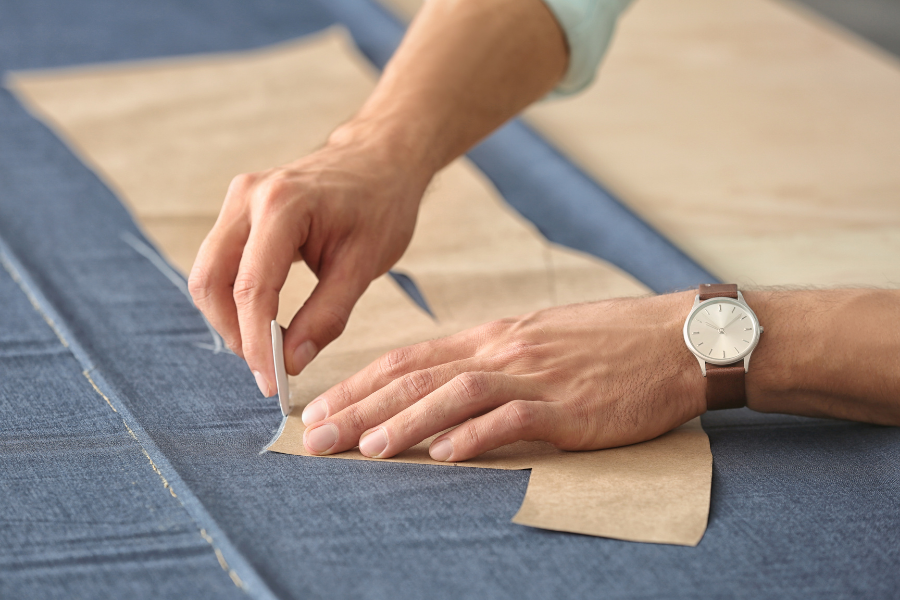
Always use a pressing cloth on suiting fabric. A piece of cotton muslin or a dedicated wool pressing cloth placed between your iron and the fabric surface prevents shine, especially on dark wool gabardines and smooth twills. Press with the grain, not across it. Lift and set the iron rather than sliding it, particularly on bias-cut areas near armholes and lapel curves. These habits take an extra three minutes per seam at the beginning and save you from a shiny, distorted garment at the end.
Frequently Asked Questions
How many yards of suiting fabric do I need for a blazer?
For a standard single-breasted blazer in sizes 10 to 16, most patterns call for 2.5 to 3 yards of 60-inch fabric. If you are working with a 54-inch wide cloth, add half a yard. For sizes 18 and above, add another half to three-quarters of a yard as a buffer. Always check the specific pattern envelope for the most accurate yardage by size.
What is the best suiting fabric for a first tailored blazer?
A medium-weight wool-poly blend or a stable ponte knit gives beginners the most room for error. Both press reasonably well, hold seam allowances without fraying aggressively, and forgive minor fitting adjustments. Avoid slippery acetate linings until you are comfortable with your basic construction sequence. Save 100 percent silk or fine worsted wool for your second or third iteration.
Can I wash suiting fabric at home instead of dry cleaning?
Many wool blends and ponte suits can be hand washed in cool water with a gentle wool wash like Eucalan, then laid flat to dry. Pure worsted wool and structured interfacings are riskier to wet wash at home. Always test a 4-inch swatch first. The Woolmark Company provides fiber-specific care guidance at woolmark.com if you want a reliable reference beyond the bolt's care label.
What weight suiting fabric works best for trousers?
Trousers benefit from an 8 to 10 oz suiting weight. Lighter than 7 oz tends to show underwear lines and does not hold a crease through a full day of wear. Heavier than 11 oz adds bulk through the thigh and can be uncomfortable to sit in for long periods. Wool gabardine in the 9 oz range is a reliable choice for year-round trouser fabric.
Do I need to buy lining fabric separately?
Yes, and calculate it at the same time as your fashion fabric. Most lined blazers need 1.5 to 2 yards of lining at 45 inches wide. Trousers usually require 1 to 1.5 yards. Buying lining in the same order prevents the common problem of a coordinating lining going out of stock between your initial purchase and your construction date.
How do I calculate yardage for a plaid or striped suiting?
Add one full repeat of the pattern to the total yardage for every major pattern piece that needs matching. A 3-inch plaid repeat on a blazer with six major pieces typically adds 0.5 to 1 yard to your base requirement. Larger repeats of 4 inches or more can add up to 1.5 yards. When in doubt, buy an extra half yard and use the remainder for a welt pocket or bound buttonholes.
Is suiting fabric by the yard more economical than buying ready-to-wear?
For quality natural-fiber garments, yes. A meter of quality wool suiting at $40 per yard and 3 yards total puts your fabric cost at $120 for a garment that would retail for $300 to $600 in equivalent construction and fiber quality. The true economy is in custom fit and the ability to make alterations before the garment is finished.
Start Your Next Tailored Project With the Right Yardage
Getting the yardage right before you cut is the foundation of a successful suiting project. Calculate generously, preshrink carefully, and match your fabric weight to your construction method before you ever touch scissors to cloth. Whether you are making a relaxed weekend blazer in ponte or a structured wool trouser for work, the fabric you choose sets the ceiling on how good the finished piece can be. Shop our curated fabric selection at sewingstudio.com or visit us in Asheville.