

skirt sewing patterns
Key Takeaways
Skirt sewing patterns are one of the best entry points into garment sewing — fewer fitting variables than pants, faster to sew than a dress, and endlessly wearable. Whether you are reaching for a breezy circle skirt or a tailored A-line, choosing the right pattern brand and fabric pairing makes the difference between a skirt you wear constantly and one that hangs untouched.
- A-line and wrap skirts are the most forgiving fits for beginners and curvy figures alike.
- Indie pattern brands like True Bias, Grainline Studio, and Closet Core publish skirt patterns with detailed fit guidance and size-inclusive grading.
- Fabric weight and drape matter more for skirts than almost any other garment category.
- Circle skirts need a stable woven; pleated skirts reward medium-weight cotton or linen blends.
- Fitting a skirt well usually comes down to waist-to-hip ratio and length adjustments, both easy to make.
Why Skirt Sewing Patterns Are Worth Your Time
Skirts get underestimated. Sewists sometimes see them as a warm-up project before tackling trousers or a blazer, but a well-sewn skirt in a great fabric is genuinely one of the most wearable things you can make. The construction is straightforward enough to finish in an afternoon, yet there is real room to grow: you can work on accurate zip insertion, clean waistband application, and precise hem work all in a single project. And because the fit variables are simpler than pants, you can spend your energy on fabric choices and finishing details rather than wrestling with a crotch curve. If you are building out your handmade wardrobe, skirts belong near the top of your list, and the range of sewing patterns online means you can find exactly the silhouette you actually want to wear.
Skirt Silhouettes and What Each One Asks of You
Every skirt pattern belongs to one of a handful of silhouette families, and each one has its own fitting logic and fabric requirements. Knowing which silhouette suits your body and your skill level saves you from a project that stalls halfway through.
A-line skirts
The A-line is the most reliably flattering silhouette across a wide range of body shapes. It skims the hip and flares gently toward the hem, which means it does not cling and it moves well. True Bias's Mave Skirt is a clean example: a midi-length A-line with a flat front and a single back seam, drafted with a waist-to-hip ratio in mind rather than a standard 10-inch differential. A-lines work beautifully in medium-weight wovens like quilting cotton, chambray, or a light denim. They are less successful in very drapey fabrics like Tencel or rayon challis, which tend to pull at the hip and lose the A shape. If you are fitting for a fuller hip, you will likely need to add a full hip adjustment, and most indie pattern tutorials walk you through that clearly.
Wrap and tie skirts
Wrap skirts sidestep the waistband fitting issue almost entirely because the tie closure adjusts to your body. The Ogden Cami's skirt counterpart in many sewists' wardrobes is the True Bias Shelby Skirt, a bias-cut wrap with a fluid drape that suits rayon and Tencel beautifully. The tradeoff is that wrap skirts are not great for windy days or commutes that involve a lot of movement. They also require more yardage than a flat pattern piece suggests because of the overlap. Plan for an extra half yard at minimum. Beginner sewists often love wrap patterns because the construction is genuinely simple; the challenge is cutting accurately on the bias without distorting the grain.
Circle and pleated skirts
Circle skirts require no fitting at the hip at all, which sounds ideal until you realize that getting the waist circle exactly right is the whole job. An error of even a quarter inch in the radius translates to a waist that is almost an inch off. Use a tape measure and a fabric marker rather than relying on folded-corner cutting. Pleated skirts, by contrast, reward precision at the pleat but are forgiving at the hip. Closet Core's Zadie Jumpsuit pattern includes a standalone pleated skirt option that many sewists make as a separate piece. Medium-weight cotton twill or a structured linen handles pleats better than anything drapey, which collapses the pleat before you even sit down.
Choosing the Right Fabric for Your Skirt Pattern
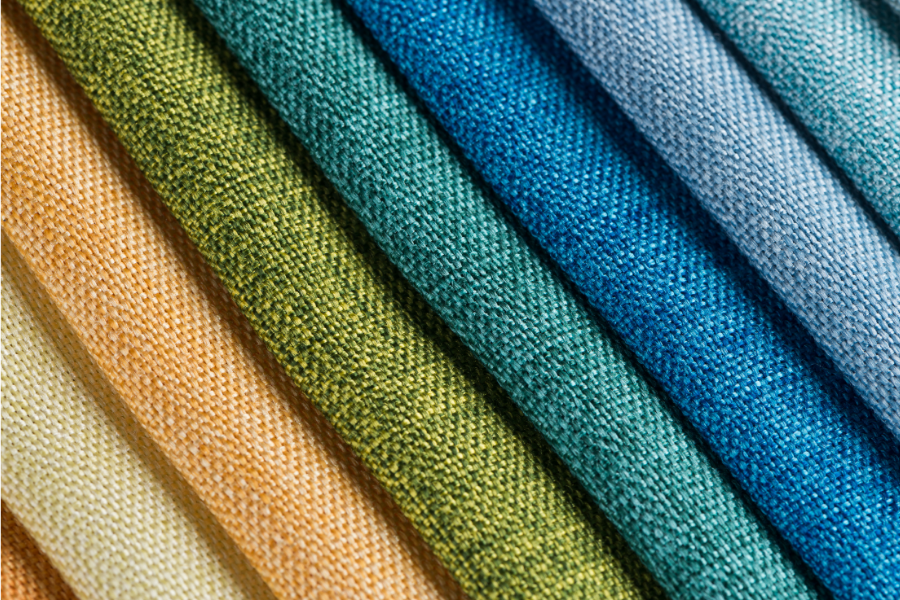
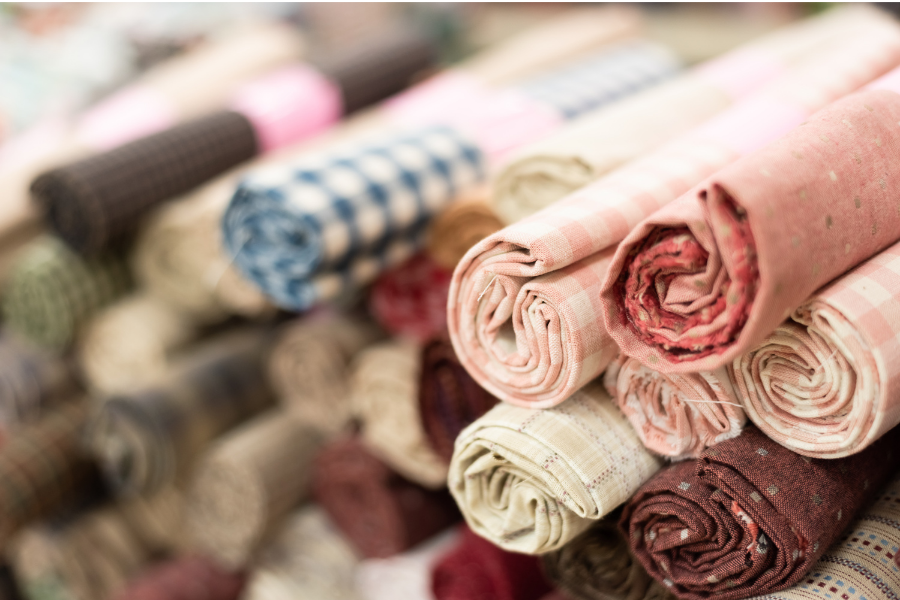
Fabric choice for skirts breaks down along two axes: weight and drape. Weight determines whether the skirt holds its shape; drape determines how it moves. A fitted pencil skirt needs a fabric with enough body to hold the silhouette without wrinkling at the back of the knee with every step. A gathered maxi skirt needs enough drape to flow without adding bulk at the waist. Cotton lawn and voile sit at the light, drapey end. Denim, canvas, and heavy linen sit at the structured end. In the middle you find chambray, quilting cotton, and medium-weight linen, all of which are workhorses for skirt sewing. Rayon and Tencel are a separate category: they drape beautifully but are slippery to cut and easy to stretch off-grain, so they reward slower, more careful handling. For a first skirt, a tightly woven quilting cotton or a cotton-linen blend gives you stability without making pressing and fitting harder than it needs to be.
Matching fabric to silhouette
The pattern envelope or the digital pattern PDF will usually list recommended fabrics, but those recommendations are worth reading critically. "Woven fabric with drape" covers a lot of ground. A good test is to hold the fabric in front of you in the store or drape it over your hand. Does it fall in soft folds or does it stand away from your hand? Soft fold fabrics suit wrap and gathered styles. Fabrics that stand away suit A-lines and pencil skirts. When a pattern calls for "medium-weight woven," aim for something in the 4-6 ounce range per square yard. Quilting cotton typically lands around 3-4 ounces; shirting around 3-4 ounces; chambray around 4-5 ounces; linen shirting around 4-6 ounces depending on the weave.
Fitting Tips That Actually Move the Needle
Fitting a skirt is mostly about two measurements: the waist and the hip, and specifically the difference between them. Most commercial patterns, including many indie patterns, draft for a 10-inch waist-to-hip differential. If yours is larger, say 13 or 14 inches, you will need to grade between sizes at the hip. If it is smaller, you may need to take in the side seams at the hip while keeping the waist intact. Cashmerette patterns are drafted for a 12-inch differential and often fit curvier figures with less adjustment out of the envelope. Length is the other big variable. Most skirt patterns land somewhere between knee and midi length. If you are shorter than 5'4" or taller than 5'8", check the finished length measurement before you cut and adjust the hem accordingly. A quick length check at the muslin stage saves a lot of time later.
Frequently Asked Questions
What is the easiest skirt pattern for a beginner?
A gathered skirt with an elastic waist is genuinely the simplest option. You sew two rectangles together, add elastic at the top, and hem the bottom. The True Bias Hudson Pant pattern includes a skirt version that follows this construction. Once you are comfortable with that, an A-line with a waistband is the natural next step.
How much fabric do I need for a skirt pattern?
Most knee-length skirt patterns use 1.5 to 2 yards of 44-inch fabric. Midi and maxi lengths typically need 2.5 to 3 yards. Circle skirts often need more because of the curved cutting layout. Always check the pattern's yardage chart for your specific size, and add a quarter yard buffer if you are working with a directional print or a plaid.
Do I need a lining for a skirt?
Not always. Lined skirts look more polished and are more comfortable in fabrics that feel scratchy against skin, like raw linen or heavy twill. A half-lining that covers just the hip and thigh area is a good middle ground. Lightweight fabrics like cotton lawn or chambray rarely need lining unless they are sheer.
How do I keep a gathered skirt from adding bulk at the waist?
Use a lighter-weight fabric for the skirt itself, finish the gathers before attaching the waistband so they are evenly distributed, and trim the seam allowance at the waist to 3/8 inch after sewing. Pressing the waistband seam allowance toward the waistband rather than toward the skirt also reduces visible bulk from the outside.
Can I use quilting cotton for a skirt pattern?
Yes, quilting cotton works well for A-lines, gathered skirts, and some circle skirts. It is not ideal for wrap skirts or any style that needs drape. The main thing to watch is that quilting cotton wrinkles more than chambray or a cotton-linen blend, so factor in care and wearing context when you choose it.
What is the difference between a fitted and semi-fitted skirt?
A fitted skirt follows the contour of your hip closely and usually has minimal ease, around 1 inch or less. A semi-fitted skirt has 2 to 3 inches of ease at the hip, which gives you comfortable movement without a boxy silhouette. Most A-line patterns are semi-fitted. Pencil skirts are usually fitted. Check the finished measurements on the pattern to know which you are working with.
Which indie pattern brands have the best size ranges for skirt patterns?
Cashmerette, Closet Core, and Friday Pattern Company all grade to a size 32 or higher. Cashmerette specifically drafts for cup sizes above a C, which helps sewists who carry more weight in the hip and thigh. Grainline Studio and True Bias have expanded their ranges in recent years and now reach a size 20 to 22 in most patterns.
Find the Skirt Pattern That Fits How You Actually Sew
The best skirt pattern is the one that matches your current skills, your fitting needs, and the fabric you are excited to work with. Start with the silhouette, then choose your fabric, and let the pattern guide the rest. If you are still figuring out which direction to go, browsing a well-curated collection helps more than scrolling through a marketplace of thousands. We carry skirt patterns from True Bias, Grainline Studio, Closet Core, Cashmerette, and more than 30 other indie designers, along with the cotton, linen, and knit fabrics that work best with them. Shop our curated fabric selection at sewingstudio.com or visit us in Asheville.
```