


silk chiffon fabric for dressmaking
Key Takeaways
Silk chiffon is one of the most rewarding fabrics you can sew — sheer, floaty, and genuinely luxurious — but it punishes shortcuts. Cut it carefully, stabilize your seams, and pair it with a pattern designed for fluid drape, and you will end up with something you will wear for decades.
- Silk chiffon is woven from twisted silk yarns, giving it a slightly gritty hand and a floaty, sheer drape that synthetic chiffon cannot replicate.
- Use sharp microtex needles (size 60/8 or 70/10) and fine thread (50 wt or finer) to avoid puckering on seams.
- Sandwich the fabric between tissue paper when cutting to stop it shifting on the cutting mat.
- French seams or rolled hems are the standard finishing choices because raw edges fray aggressively and quickly.
- Patterns with minimal fitting ease and fluid silhouettes — think Grainline Studio Willow or True Bias Ogden Cami — work best with chiffon's drape.
What Silk Chiffon Actually Is and Why It Behaves the Way It Does
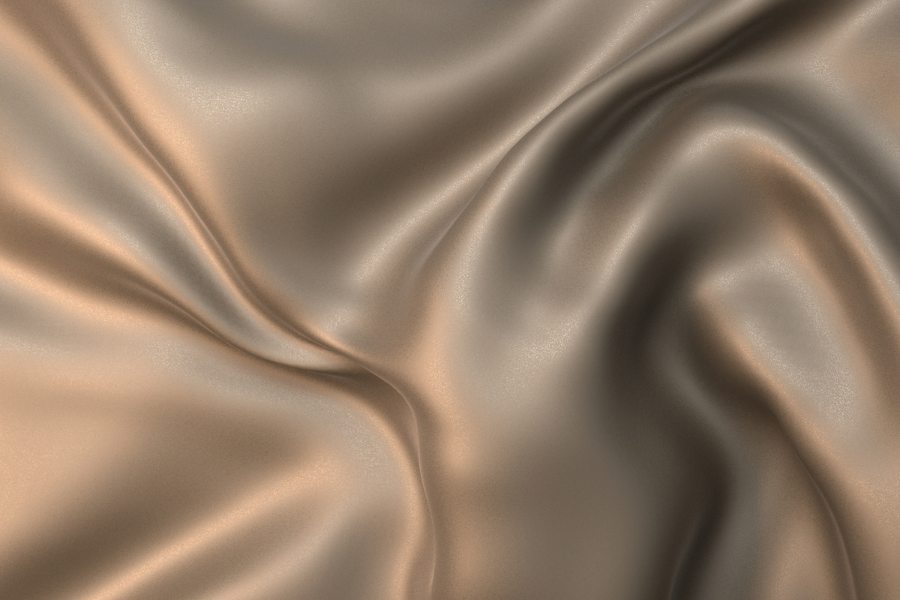
Silk chiffon gets its characteristic sheerness from a plain weave using highly twisted silk filament yarns. That twist is what separates it from other silk weaves: it creates a slightly pebbly surface texture, a dry-ish hand, and a fabric that catches light without clinging the way charmeuse or satin does. The weight typically runs between 5 and 8 mm (momme), making it one of the lightest silk constructions available. Because the yarns are twisted rather than straight, the fabric has a small amount of stretch on the bias, which matters a lot when you are fitting a bodice or cutting draped cowl necklines. For a broader look at how chiffon compares to other silk constructions, our guide to silk fabric for dressmaking walks through the full family of silk weaves side by side.
Cutting Silk Chiffon Without Losing Your Mind
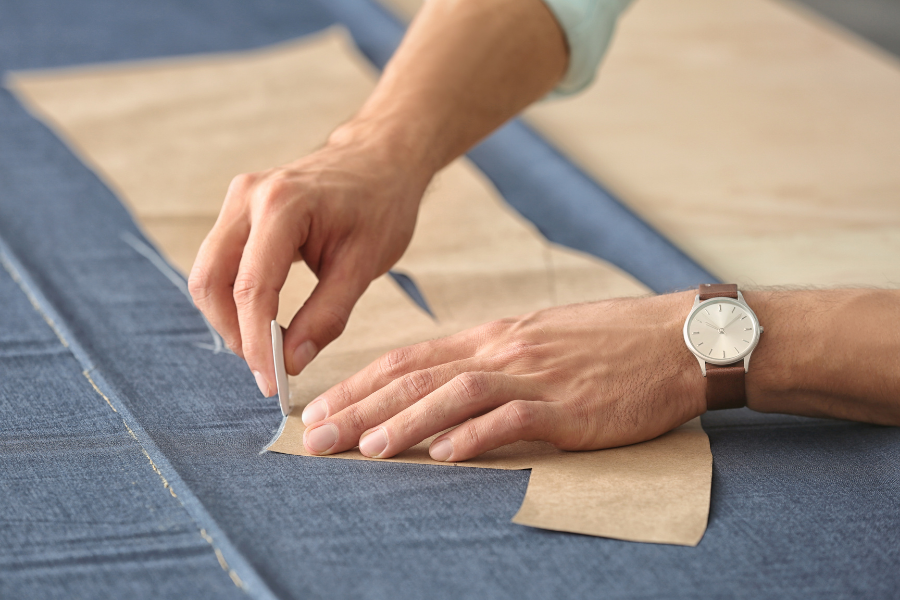
The single biggest mistake sewists make with silk chiffon is cutting it the same way they cut quilting cotton. Chiffon slides, ripples, and shifts the moment it touches a cutting mat, and a rotary cutter alone will not save you. The method that works consistently is the tissue paper sandwich: lay a sheet of pattern tissue or cheap wrapping tissue on the mat first, then your fabric, then another layer of tissue on top. Pin through all layers. Cut through everything with sharp scissors or a new rotary blade, then tear the tissue away from the cut pieces. This keeps the grain true and stops the fabric from creeping while you cut.
Grain alignment matters more with chiffon than with almost any woven fabric. Because it is sheer, even a small off-grain cut will catch light differently and read as a visible distortion in the finished garment. Take the extra time to pull a thread to establish the grain line before you lay out your pattern pieces.
Rotary Blades and Scissors
Use a 45 mm rotary cutter with a fresh blade, or very sharp dressmaker shears. A dull blade drags the fabric sideways as you cut and leaves jagged edges that fray immediately. If you notice the chiffon pulling rather than parting cleanly, stop and change the blade. A new blade is worth far more than the cost of replacing fabric.
Sewing and Finishing Seams on Sheer Fabric
Silk chiffon seams pucker easily, and once they are sewn, fixing them usually means starting over. Three things prevent puckering: a fine needle, fine thread, and the right stitch length. A Microtex 60/8 or 70/10 needle makes a smaller hole in the weave than a standard universal needle, which reduces the chance of the seam drawing up. Pair it with a 50 wt or 60 wt thread in silk or a fine polyester like Wonderfil Konfetti. Stitch length should sit around 2 mm. Longer stitches can allow the seam to ripple; shorter stitches can cause the thread to tighten and pucker.
For seam finishes, French seams are the classic choice for straight or gently curved seams. They enclose the raw edge completely, which matters on a sheer fabric where the seam allowance is visible from the right side. On curved seams where a French seam would pull, a serged rolled hem edge or a narrow turned and stitched finish both work well. Avoid a standard serged edge on its own: it leaves the raw edge exposed inside a garment where it will be visible and will fray faster than you expect.
Hemming Options
A hand-rolled hem is the most refined finish for a chiffon hem, especially on circular or bias-cut skirts. Roll a tiny amount of fabric between your fingers, secure with a slip stitch, and repeat. It takes time, but the result is a hem that floats rather than hangs. A narrow machine-rolled hem using a rolled hem foot is faster and produces a consistent result on straight hems. For very full skirts, consider a baby hem: fold and press 6 mm, stitch close to the fold, trim close to the stitching, fold again and stitch. Both options keep the hem visually light.
Pattern Choices That Work With Chiffon's Drape
Chiffon drapes downward with very little resistance, which makes it excellent for garments designed around fluid movement: bias-cut slips, flowy blouses, overlay skirts, and draped eveningwear. Structured patterns with fitted bodices, princess seams, and minimal ease fight the fabric rather than working with it. The Grainline Studio Willow Dress is a popular choice because its A-line shape and minimal seam count give the fabric room to move. The True Bias Ogden Cami works beautifully in chiffon for the same reason: simple construction, bias-influenced drape at the front, and few seams to pucker. Cashmerette's Appleton Dress in a straight size or graded for fuller figures also performs well because the design relies on drape rather than shaping seams.
Avoid patterns with patch pockets, heavy topstitching, or lots of curved seams. Each of those elements adds complexity in a fabric that already requires extra care at every step. If a pattern lists chiffon as a suggested fabric, trust that listing. The designer tested it, and that matters when you are working with a fabric that costs between $25 and $45 per yard for genuine silk.
Frequently Asked Questions
What is the difference between silk chiffon and polyester chiffon?
Silk chiffon is woven from natural silk filament and has a slightly dry, pebbly hand with a subtly warm appearance. Polyester chiffon is cooler to the touch, slightly slippery, and tends to look shinier under light. Silk chiffon breathes and drapes more softly. Polyester chiffon costs significantly less and resists water spotting better, which is worth considering for garments that will be worn in unpredictable conditions.
Can beginners sew with silk chiffon?
Silk chiffon is not the best starting point for a sewist who is still learning basic machine control. The cutting and sewing steps both require patience and attention to detail that comes more easily with some practice. If you are newer to garment sewing, start with a stable woven like cotton lawn, then work up to chiffon once seams and hems feel comfortable.
How do I wash silk chiffon after sewing?
Hand washing in cool water with a gentle silk-specific soap like Eucalan or Soak is the safest method. Rinse thoroughly, press gently in a towel to remove water, then hang or lay flat to dry away from direct sunlight. Most silk chiffon can be pressed on a cool silk setting with a press cloth. Always test a scrap before pressing the finished garment.
What needle size is best for silk chiffon?
A Microtex 60/8 needle is the standard recommendation for silk chiffon. The fine, sharp point pierces the weave cleanly without pushing yarns aside, which reduces puckering. If you are sewing multiple layers, such as a French seam, you can move up to a 70/10, but 60/8 is the right starting point for single-layer work.
Does silk chiffon fray badly?
Yes. Silk chiffon frays quickly and aggressively the moment you cut it. Keep cut pieces away from edges of the table, handle them minimally before sewing, and finish seams as soon as possible after sewing. Storing cut pieces flat in a folder of tissue paper between cutting and sewing sessions helps reduce edge wear.
How much fabric should I buy for a chiffon overlay skirt?
For a full overlay skirt cut on the straight grain, 3 to 4 yards covers most lengths. A circular-cut skirt requires more, typically 4 to 5 yards depending on circumference and length. Always check the pattern envelope yardage and add 10 to 15 percent extra for layout adjustments, grain corrections, and any cutting mistakes. With silk at this price point, being short is a costly problem.
Can I interface silk chiffon to add structure?
You can use a very lightweight sew-in interfacing rather than fusible on silk chiffon. Fusible interfacing applies heat and pressure that can damage the silk filaments and leave a stiff, visible patch. A silk organza underlining sewn into individual pieces is a more refined alternative: it adds just enough body to a bodice without changing the drape of the outer fabric.
Shop Silk Chiffon and Start Your Next Dressmaking Project
Silk chiffon rewards the sewists who take the extra steps: fresh blades, tissue paper cutting, French seams, and patterns that lean into drape rather than fight it. When everything comes together, the finished garment has a quality that is immediately obvious to anyone who looks at it. We carry silk chiffon in solid colors and prints at Sewing Studio Fabrics, alongside the Grainline, True Bias, and Cashmerette patterns that pair well with it. Stop by our shop in Asheville to feel the fabric in person, or browse our curated fabric selection at sewingstudio.com.