


silk charmeuse fabric for sewing
Key Takeaways
Silk charmeuse is a lightweight, satin-weave silk with a glossy front and a matte, slightly drapey back. It rewards careful cutting and slow sewing but produces garments with a fluid, luxurious drape that most other fabrics simply cannot match. Choose the right needle, stabilize your seams, and this fabric becomes far more manageable than its reputation suggests.
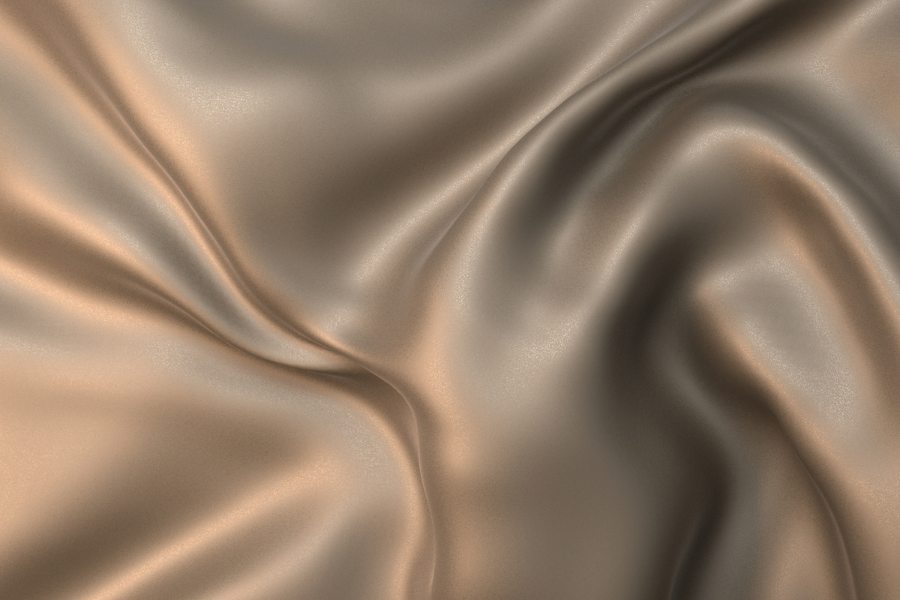
- Silk charmeuse has a satin weave with 4-over-1-under thread float, giving it a reflective front and a soft, crepe-like back.
- Use a size 60/8 or 70/10 sharp or microtex needle and a fresh one for every project to prevent snags.
- Cut single-layer with pattern pieces weighted rather than pinned to reduce distortion along the bias.
- French seams or narrow rolled hems are the finishing methods that suit this fabric best.
- Momme weight matters: 16mm to 19mm charmeuse is ideal for garments; lighter weights work better as lining.
What Makes Silk Charmeuse Different From Other Silk Weaves
Silk charmeuse gets its name from the French word for "enchantress," and the fabric earns that label through its distinctive weave structure. Unlike silk chiffon (which is plain-weave and sheer) or dupioni (which is plain-weave and crisp), charmeuse uses a satin weave where four or five warp threads float over a single weft thread before going under. That long float is what creates the glossy, light-catching surface on the right side and the softer, more matte finish on the wrong side. For sewists, this matters because you are working with a fabric that behaves differently on each face, and choosing which side to show is actually a design decision, not a mistake to avoid. Some bias-cut blouses and slip dresses use the matte back as the "right" side deliberately, and the result reads as softer and less formal. If you are still getting familiar with how different silk constructions compare, our guide to silk fabric for dressmaking covers the full family of weaves in one place.
Momme Weight and Why It Matters for Garment Sewing
Momme (abbreviated mm) is the unit used to measure silk fabric weight, and it functions a lot like thread count for cotton sheets: higher numbers generally indicate more fiber content per unit area, which translates to a denser, more substantial hand. For silk charmeuse used in garments, 16mm to 19mm is the sweet spot. At 16mm you get a fabric that drapes beautifully and works well for blouses, camisoles, and slip dresses. At 19mm the fabric has a bit more body and holds a seam line more reliably, which makes it a strong choice for bias-cut pieces where fabric stability is always a concern.
Below 16mm, silk charmeuse tends to feel thin and shifts aggressively on the cutting table. It can also show needle holes permanently if you sew a wrong seam and have to remove stitches. Above 22mm, charmeuse starts to lose some of its signature drape and behaves more like a heavier satin. That heavier version can work well for structured bodices or skirts that need to skim the body without clinging, but it is less forgiving on the bias. Always ask for the momme weight when you shop, and if a seller cannot tell you, that is a useful piece of information about their sourcing practices.
Cutting and Prep: Where Most Mistakes Happen
Charmeuse is slippery, and it moves. Those two facts cause more wasted yardage and frustration than any sewing technique issue. The solution is to slow down the cutting process significantly before you ever pick up your shears.
Prewashing Silk Charmeuse
Most silk charmeuse is dry-clean-only as sold, but many sewists prefer to hand wash their finished garments. If that is your plan, prewash the fabric before cutting. Fill a basin with cool water and a small amount of pH-neutral soap (Soak or Eucalan both work well), agitate gently for two minutes, rinse once without wringing, and roll the fabric in a clean towel to remove excess water. Hang or lay flat to dry away from direct sun. Expect 3 to 5 percent shrinkage on the lengthwise grain and slightly more on the crosswise. Always prewash at the temperature and method you plan to use on the finished garment.
Single-Layer Cutting With Weights
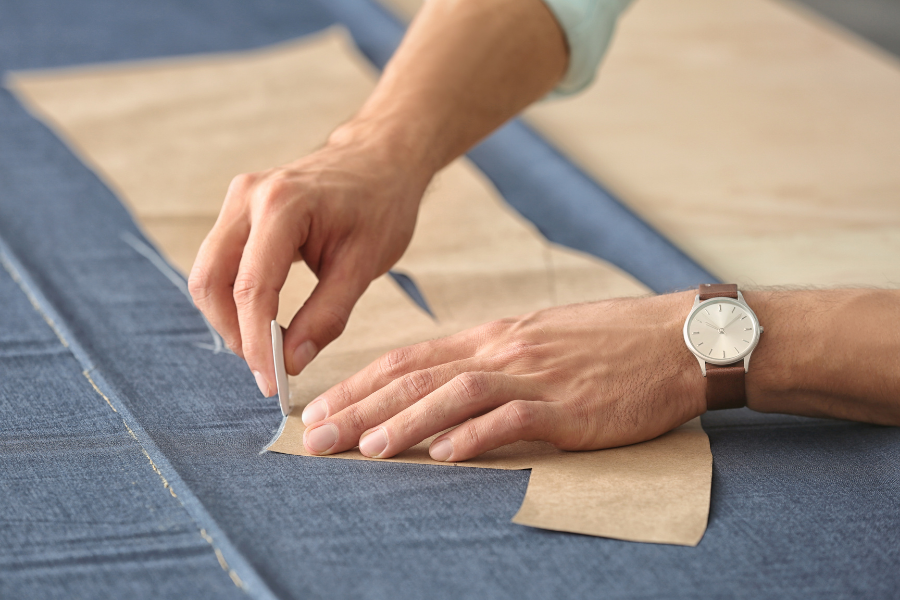
Pin marks can leave permanent holes in charmeuse. Instead, press your fabric flat with a dry iron set to the silk setting, lay it out single layer on a surface with some texture (a flannel pressing mat or a layer of batting pinned to your table works well), and use pattern weights to hold pieces in place. Cut with sharp shears in one clean stroke rather than repositioning the blade mid-cut. A rotary cutter and self-healing mat works especially well for long straight or slightly curved edges. Mark seam allowances and notches with a water-soluble pen or small snips rather than tailor's chalk, which can smear and disappear unpredictably on the slick surface.
Sewing Techniques That Actually Work on Charmeuse
The needle is your first line of defense. A size 60/8 or 70/10 microtex or sharp needle makes a cleaner entry into the tightly woven charmeuse surface than a universal needle, which can deflect threads and cause skipped stitches. Change the needle at the start of every project, not every garment. A needle that has sewn through even 45 minutes of charmeuse has already dulled enough to cause problems.
Set your stitch length to 2.0mm to 2.2mm. Shorter stitches can perforate the seam line enough to cause tearing under stress, and longer stitches make the seam ripple along the bias. Use fine thread: Gutermann's silk thread or YLI silk thread in a matching color will sit in the seam without adding stiffness. If you use polyester thread, choose a fine 60-weight rather than a standard 40-weight. Hold both thread tails when you begin sewing so the fabric does not get pulled down into the feed dogs, which is the most common reason beginners see puckers at the start of a seam. For finishing, French seams at 3/8 inch work beautifully on straight seams. On curved seams or armscyes, a narrow serged seam allowance pressed to one side is a practical alternative. Hems are typically finished with a hand-rolled hem or a narrow machine-rolled hem using a rolled-hem foot.
Pattern Choices That Suit Silk Charmeuse
Not every pattern works in charmeuse, and choosing the right one before you cut saves both fabric and frustration. Designs with minimal seaming, bias cuts, and loose or semi-fitted silhouettes are the natural match. Grainline Studio's Willow tank and Cami NYC's The Morgan dress both drape beautifully in 16mm to 19mm charmeuse. True Bias's Nikko top and Ogden cami are also perennial favorites in the indie sewing community for exactly this fabric. What these patterns share is a design that relies on the fabric's drape to create the shape rather than structure from interfacing or darts.
Avoid patterns with lots of topstitching, sharp pleats, or patch pockets when you are new to charmeuse. Topstitching at the collar or cuff of a tailored shirt asks you to sew slowly in a straight line while the fabric tries to shift, and that combination produces wavy results until you have some practice. Patch pockets require precise pressing, which is challenging on a fabric that does not hold a crease reliably. Save those details for your second or third charmeuse project, once you have a sense of how this fabric moves on your particular machine.
Frequently Asked Questions
Can I sew silk charmeuse on a regular sewing machine?
Yes. A standard home sewing machine handles charmeuse well with the right needle and thread. Use a microtex 60/8 or 70/10 needle, reduce your presser foot pressure if your machine allows it, and place a piece of tissue paper under the fabric at the start of each seam to prevent the feed dogs from eating the edge. Tear the tissue away after sewing.
What tension setting works best for silk charmeuse?
Start with your machine's default tension and sew a test seam on a scrap folded to match the actual layers in your project. Look at both sides: if the bobbin thread shows on the top, lower the upper tension by half a point. If the top thread shows on the underside, raise it. Fine thread sometimes requires a slightly lower tension than your machine's default setting.
Is silk charmeuse difficult for beginners?
It has a steeper learning curve than quilting cotton or linen, but it is not impossible for a motivated beginner. The challenges are cutting accurately (it slips) and pressing without scorching (use a dry iron on the silk setting with a pressing cloth). Starting with a simple pattern like a cami or slip skirt reduces the number of variables considerably.
How do I press silk charmeuse without damaging it?
Use a dry iron set to the silk or low setting, never steam directly on the fabric. Place a thin cotton pressing cloth between the iron and the charmeuse. Press from the wrong side whenever possible. Test on a scrap piece first, because the heat tolerance of silk charmeuse varies slightly by dye color and finishing treatment.
What is the difference between silk charmeuse and satin?
Satin is a weave structure, not a fiber. Charmeuse is a lightweight satin-weave fabric made from silk. Polyester satin uses the same weave with synthetic fiber and costs far less, but it does not breathe, does not drape the same way, and tends to hold static. Silk charmeuse is considerably more expensive but behaves and wears in ways polyester satin cannot replicate.
Can I use silk charmeuse as a lining fabric?
Yes, and it makes a beautiful lining. For lining applications, a lighter 12mm to 14mm charmeuse reduces bulk while still providing the smooth, luxurious feel against skin. Use it to line wool trousers, a tailored jacket, or a structured skirt. The matte back side facing the shell fabric also reduces friction, which helps structured outerwear slide on more easily.
How much extra yardage should I buy for a charmeuse project?
Buy at least half a yard more than your pattern calls for. Single-layer cutting uses more fabric than double-layer cutting because you cannot flip pattern pieces. You also need scrap pieces for tension testing, pressing practice, and any re-cuts if a piece shifts during cutting. For bias-cut projects, add a full yard over the pattern requirement.
Ready to Sew Your First Silk Charmeuse Garment?
Silk charmeuse rewards the sewists who slow down, choose their pattern thoughtfully, and treat the fabric with a bit of patience at the cutting table. Once you have one charmeuse project under your belt, the next one feels considerably more approachable. We carry a curated selection of silk charmeuse fabrics at Sewing Studio Fabrics, chosen for quality momme weight and colorways that work across seasons. Shop our curated fabric selection at sewingstudio.com or visit us in Asheville to feel the difference between weights and weaves in person before you commit to a project.