Key Takeaways
Shopping for sewing notions online requires knowing fabric weight, project requirements, and quality markers to avoid disappointing purchases that delay your sewing timeline.
- Match notion weight and durability to your fabric choice and intended garment use
- Read product descriptions carefully for sizing, material composition, and compatibility details
- Start with quality basics like sharp scissors, accurate measuring tools, and reliable thread
- Consider shipping times when ordering notions for time-sensitive projects
- Build relationships with trusted online retailers who understand sewist needs
Building Your Essential Sewing Notions Kit Online
Shopping for sewing notions online opens up access to specialty tools and materials that local stores rarely carry. Unlike buying fabric where you want to feel the hand and drape, many notions translate well to online shopping once you know what specifications matter. The key lies in understanding which details to look for in product descriptions and when to invest in higher quality tools versus budget-friendly basics.
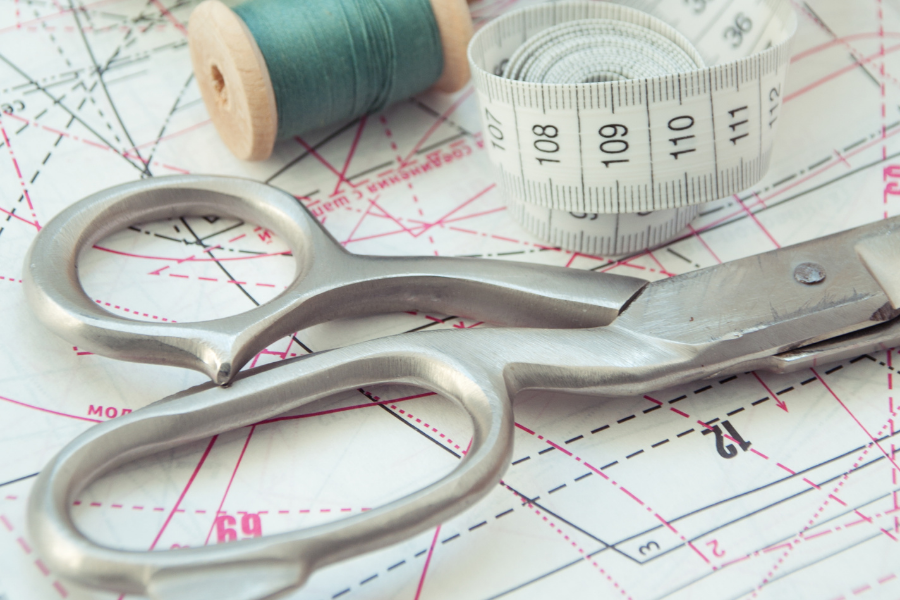
Smart online notion shopping starts with building a foundation of reliable tools. Quality scissors, accurate measuring equipment, and dependable thread form the backbone of any sewing kit. These basics deserve your investment because they affect every project you make. Cheap scissors that dull quickly or measuring tapes that stretch over time create frustration that compounds with each use. Once you have solid foundations, you can experiment with specialized tools and trendy gadgets that catch your eye on Instagram.
The convenience of online shopping really shines when you need specific notions for indie patterns or natural fiber fabrics. Independent pattern designers often specify particular closure types, interfacing weights, or specialty threads that mainstream craft stores don't stock regularly.
Understanding Notion Quality and Compatibility
Not all sewing notions work equally well with every fabric type. Natural fibers like
cotton,
linen, and
wool often require different approaches than synthetic materials. Cotton thread works beautifully with cotton and linen fabrics because the fibers have similar shrinkage rates and care requirements. Polyester thread provides strength for activewear and bags but can pucker delicate silks during pressing.
Zipper selection depends heavily on fabric weight and garment structure. Lightweight cotton lawns need delicate zippers with narrow tape, while
denim jackets require heavy-duty metal zippers that won't separate under stress. The
Spruce Crafts guide to zipper types explains how different closure mechanisms affect durability and appearance.
Interfacing choices become critical when shopping online because you can't feel the hand or test the bond strength. Fusible interfacing works well for most home sewists, but woven interfacing provides better drape for tailored garments. Hair canvas interfacing, traditionally used in
menswear construction, creates structure without stiffness. Read product reviews from other sewists to understand how different interfacings behave after washing and wearing.
Thread Selection for Different Projects
Thread weight affects both appearance and performance in finished garments. All-purpose polyester thread in 40-weight works for most general sewing, but specialty projects benefit from targeted choices. The
Superior Threads weight guide shows how thread thickness affects stitch appearance and fabric compatibility.
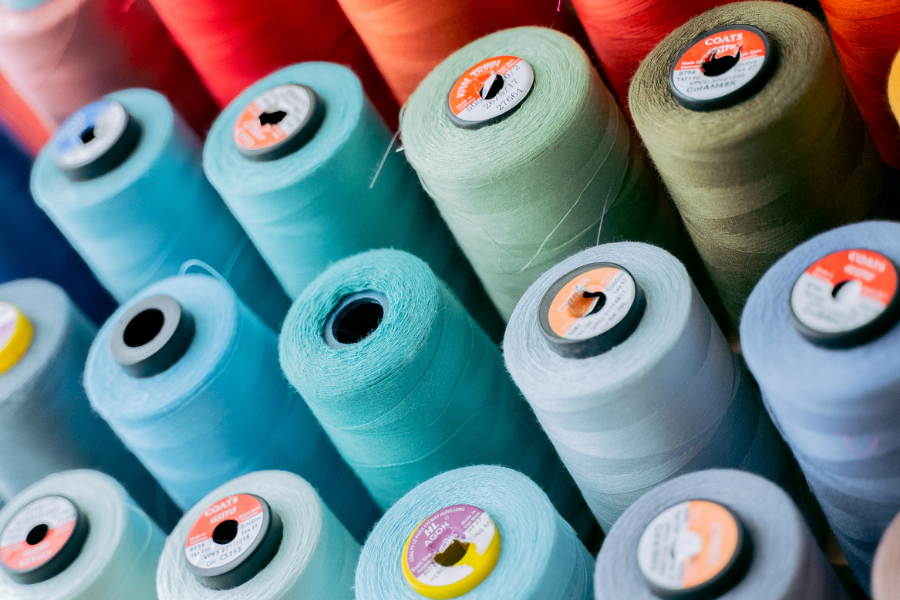
Silk thread provides the smoothest finish for silk fabrics but costs significantly more than polyester alternatives. Cotton thread works beautifully for quilting and natural fiber garments but lacks the strength needed for bags or activewear. Serger thread requires large cone quantities that make online ordering practical compared to buying multiple small spools locally.
Specialty Notions for Pattern Communities
The indie pattern community has created demand for specialized notions that traditional craft stores rarely stock.
Grainline Studio patterns often call for specific button sizes or specialty elastic that requires online sourcing.
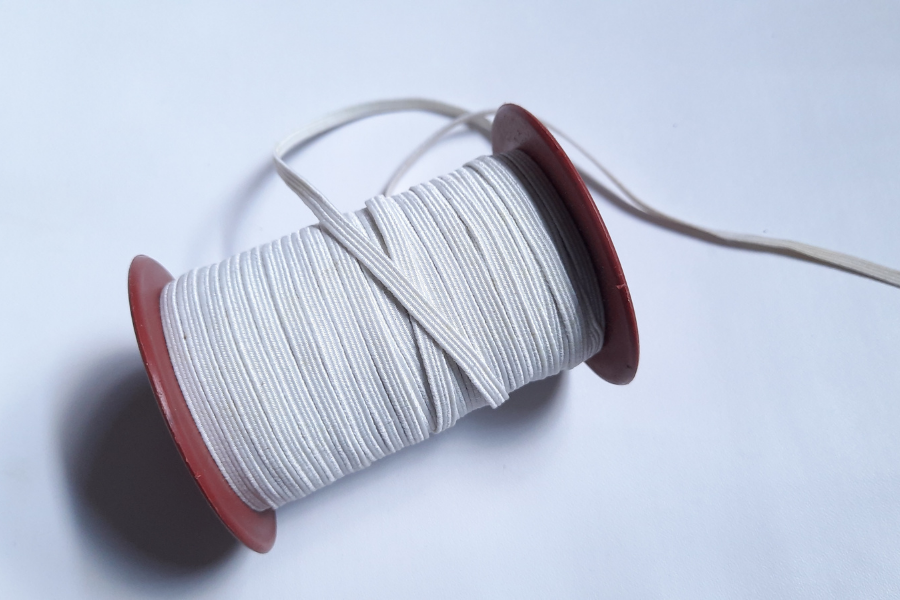
Closet Core patterns frequently specify activewear notions like fold-over elastic or swimwear rings that general notions suppliers don't carry.
Japanese sewing notions have gained popularity among independent sewists for their precision engineering and thoughtful design. Clover products, including their wonder clips and bias tape makers, offer alternatives to traditional Western tools that many sewists find more ergonomic and efficient. These specialty tools often cost more than basic versions but provide years of reliable service.
Pattern weights have replaced pins for many fabric cutting tasks because they don't shift lightweight fabrics or create holes in delicate materials. The
PatternReview blog analysis shows how pattern weights improve cutting accuracy while reducing fabric damage.
Sourcing Hard-to-Find Closures
Vintage-style buttons, specialty snaps, and unique closure hardware often require online sourcing because local options remain limited. Reproduction buttons for historical sewing projects, mother-of-pearl buttons for natural fiber garments, and metal hardware for bag making typically need specialty suppliers who understand period accuracy or durability requirements.
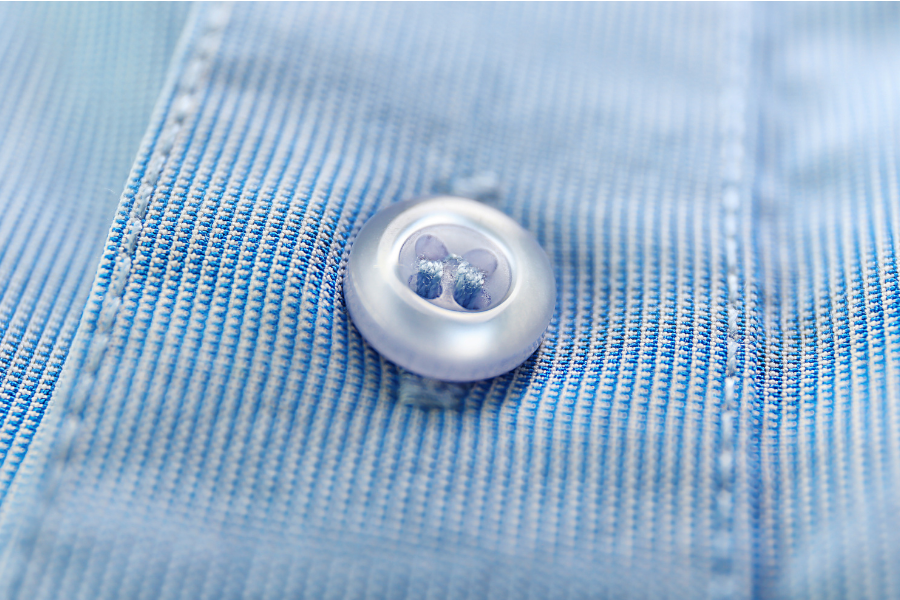
Button sizing varies between manufacturers, so online shopping requires careful attention to diameter measurements rather than relying on size numbers alone. European sizing differs from American standards, and vintage patterns may specify button sizes that don't translate directly to modern equivalents.
Timing and Shipping Considerations
Online notion shopping requires planning ahead because shipping times can derail project timelines. Standard shipping typically takes 3-7 business days, but specialty notions from niche suppliers may require 2-3 weeks for delivery. International shipping for Japanese or European notions extends timelines further while potentially adding customs delays.
Order notions when you buy fabric rather than waiting until you need them. This approach prevents project delays and often qualifies for free shipping thresholds that individual notion orders might miss. Keep a running list of needed notions so you can combine orders efficiently rather than paying multiple shipping charges for small purchases.
Seasonal demand affects notion availability and shipping times. Back-to-school sewing creates runs on basic notions in late summer, while holiday sewing increases demand for specialty threads and closures in fall. The
Craft Yarn Council seasonal trends report tracks these patterns across different craft categories.
Building Supplier Relationships
Developing relationships with reliable online notion suppliers pays dividends over time through better customer service, early access to new products, and sometimes preferential pricing for repeat customers. Small specialty retailers often provide more detailed product information and personal recommendations compared to large marketplace sellers.
Join email lists and follow social media accounts for your preferred suppliers to learn about sales, new arrivals, and discontinuation notices. Many specialty notion suppliers operate with limited inventory, so popular items sell out quickly without restocking guarantees.
Frequently Asked Questions
How Do I Know If Thread Will Match My Fabric When Shopping Online?
Most online retailers provide color cards or suggest ordering thread samples before large purchases. Polyester thread appears different under various lighting conditions, so check product reviews from other customers who used the thread with similar fabrics.
Can I Return Notions If They Don't Work With My Project?
Return policies vary significantly between suppliers. Most allow returns for defective products but not for compatibility issues or color matching problems. Read return policies carefully before ordering and keep original packaging until you test the notions.
What's The Difference Between Fusible And Sew-In Interfacing?
Fusible interfacing bonds to fabric with heat and pressure, creating permanent attachment that adds body without bulk. Sew-in interfacing gets attached during construction and allows more flexibility but requires additional sewing time.
Our interfacing collection includes both types with detailed application instructions.
How Much Thread Do I Need For A Typical Garment?
Most garments require 200-400 yards of thread for construction, depending on size and complexity. Serged seams use approximately three times more thread than regular seams. The
Schmetz needle company thread calculator provides estimates based on garment type and construction methods.
Should I Buy Cheap Scissors For Different Tasks?
Invest in one pair of high-quality fabric scissors and protect them from paper, cardboard, and other materials that dull blades. Cheap scissors create uneven cuts that affect seam quality and can damage expensive fabrics. Use dedicated paper scissors for patterns and cutting room tasks.
What Needle Types Work Best With Natural Fiber Fabrics?
Universal needles work for most cotton and linen fabrics, while ballpoint needles prevent runs in knit fabrics. Silk requires sharp needles to prevent snags, and heavyweight woolens need strong needles that won't bend.
Our needle selection guide matches needle types to specific fabric weights and fiber contents.
How Do I Choose The Right Zipper Length For My Pattern?
Measure the seam opening where the zipper will be installed rather than relying solely on pattern specifications. Zippers can be shortened but not lengthened, so buy slightly longer than needed if you're uncertain. Invisible zippers require different installation techniques than regular zippers.
Are Expensive Sewing Tools Worth The Investment?
Quality tools that get daily use justify higher prices through longevity and performance. Scissors, measuring tools, and pressing equipment affect every project you make. Specialty tools for occasional use can be budget-friendly until you determine if they earn regular use in your sewing practice.
Start Your Next Project With Quality Notions
Building a collection of reliable sewing notions takes time and experimentation, but online shopping makes it easier to find exactly what your projects need. Start with quality basics that will serve you well across many different makes, then add specialty tools as your skills and interests develop. The investment in good notions pays dividends in every garment you create, from improved construction quality to reduced frustration during the making process.
Whether you're looking for
specialty threads,
unique closures, or
precision tools, having the right notions available before you start sewing keeps your creativity flowing without interruption. Shop our curated fabric selection at sewingstudio.com or visit us in Asheville.