Key Takeaways
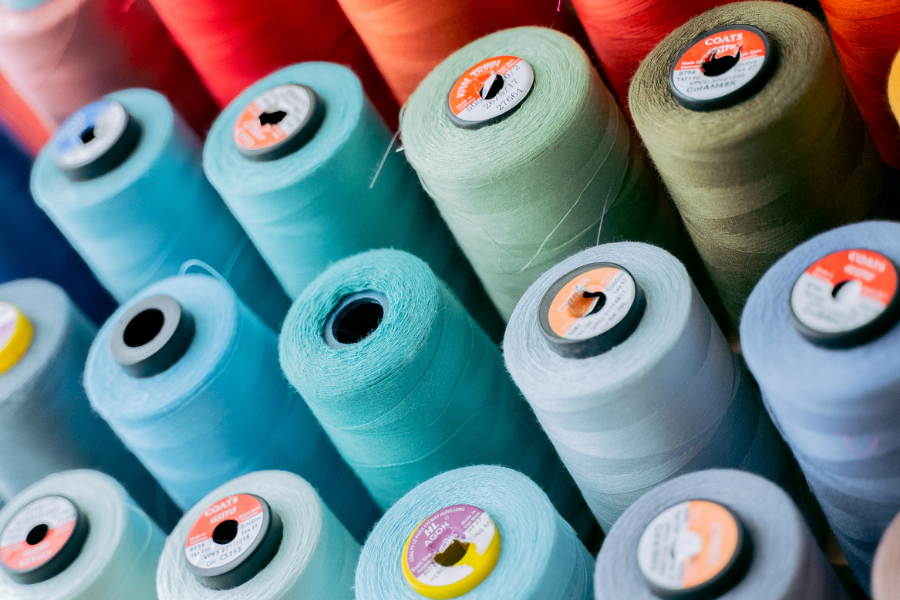
Serger thread differs from regular sewing thread in weight, strength, and finish, requiring specific types for optimal overlock performance and durability.
- Use 3-ply or 4-ply polyester serger thread for most garment sewing projects
- Woolly nylon creates the softest seam finish but requires tension adjustments
- Match thread weight to fabric weight: lightweight threads for delicates, heavier for denim
- Quality serger thread prevents lint buildup and reduces needle breaks
- Stock multiple cones of neutral colors to avoid frequent threading changes
Understanding Serger Thread Construction and Performance
Serger thread construction directly impacts how your overlock machine performs and how your finished seams look and feel. Unlike regular sewing machine thread, serger thread gets used in much larger quantities and experiences different tension patterns as it passes through multiple loopers and needles simultaneously. The
thread manufacturing standards for sergers specify different twist ratios and fiber compositions than standard machine thread.
Most serger threads use either 3-ply or 4-ply construction, where individual fibers get twisted together to create stronger, more consistent thread. The 3-ply construction offers good strength with flexibility for most garment sewing, while 4-ply provides extra durability for heavy fabrics or high-stress seams. Single-ply threads, common in regular sewing, tend to break under the rapid tension changes that sergers create during stitch formation.
Fiber content matters significantly more in serger thread than regular thread. Polyester dominates serger thread production because it maintains consistent tension across temperature changes and resists stretching under the constant pull of overlock stitching. Cotton serger threads exist but work best for specific applications like
natural fiber garments where chemical compatibility matters more than performance consistency.
Choosing Thread Weight for Different Fabric Types
Thread weight selection for serger work follows the same basic principles as regular sewing but requires more precision because sergers use multiple threads per seam. Weight 40 thread works well for most medium-weight wovens like cotton shirting, linen, and lightweight denim. Weight 50 thread suits delicate fabrics including silk, rayon challis, and fine cotton voiles, while weight 30 handles heavy denim, canvas, and
wool coating fabrics.
The challenge with sergers comes from using the same thread weight across all positions. Your serger typically uses four or five threads simultaneously: two needle threads, an upper looper, a lower looper, and potentially a chain looper on 5-thread machines. Mixing thread weights can create uneven tension and poor stitch formation, so most sewists stick with one weight per project.
Threads Magazine research shows that matching thread weight to fabric weight improves seam durability by 30% compared to using standard weight 40 for all projects. For stretch fabrics and
jersey knits, slightly heavier thread weights provide better recovery after stretching, preventing seam failure during wear.
Specialty Serger Threads and Their Applications
Woolly Nylon Performance
Woolly nylon creates the softest, most comfortable overlock seams available, making it the first choice for lingerie, activewear, and children's clothing. This textured nylon thread compresses under needle penetration then expands to fill the stitch, creating excellent coverage and stretch recovery. However, woolly nylon requires looser tension settings than polyester thread and can be challenging for beginners to manage.
The crimped structure of woolly nylon makes it particularly effective in the upper looper position, where it creates full coverage over raw edges. Many sewists use woolly nylon only in the loopers while keeping standard polyester in the needles, which simplifies tension balancing while maintaining comfort benefits.
Decorative and Metallic Options
Decorative serger threads including metallics, rayons, and variegated colors can create striking edge finishes on garments and
home decor projects. These threads typically run best in the upper looper position where they show most prominently and experience less mechanical stress than needle positions.
Metallic serger threads require specific handling techniques to prevent breaking.
Superior Threads documentation recommends reducing machine speed by 25% and using metallic-specific needles with enlarged eyes and polished shafts. The payoff comes in edge finishes that rival ready-to-wear quality on evening wear and special occasion garments.
Thread Quality Indicators and Brand Comparisons
High-quality serger thread exhibits consistent diameter, minimal lint production, and uniform dye penetration throughout the cone. Cheap threads create excess lint that clogs serger mechanisms and produces uneven stitches. The fiber ends should feel smooth rather than fuzzy, and the thread should maintain consistent tension when pulled gently from the cone.
European thread manufacturers like Madeira and Gutermann typically offer superior quality control compared to budget alternatives. Their threads maintain consistent weight tolerances within 3% across entire production runs, while lower-quality threads can vary by 15% or more. This variation shows up as tension problems and stitch irregularities in finished seams.
Professional-grade threads from companies like Coats and American & Efird cost 20-30% more than hobby-grade options but reduce machine maintenance needs and improve stitch consistency. For sewists working on
multiple pattern projects or running a small business, the time savings from fewer thread breaks and tension adjustments justifies the premium pricing.
Practical Threading and Storage Tips
Proper serger thread storage prevents tangles and maintains thread quality over time. Store thread cones in a cool, dry location away from direct sunlight, which can degrade both synthetic and natural fibers. Keep cones upright in thread racks or boxes rather than laying them on their sides, which can cause unwinding and tangling issues.
Most sewists benefit from keeping large cones of white, black, and gray serger thread on hand for everyday projects. These neutrals work well for internal seams where thread color won't show, and buying larger cones reduces per-yard costs significantly. A 6000-yard cone typically costs 40% less per yard than multiple smaller 1000-yard cones of the same thread.
Threading sergers efficiently requires developing consistent habits around thread path and tension disc engagement.
Baby Lock's threading guides recommend using the air threading features when available, but manual threading following the color-coded path markings works reliably across all machine brands. Keep needle threaders specific to your serger model handy, as the tight spacing in overlock machines makes manual needle threading particularly challenging.
When changing thread colors, cut all threads simultaneously and tie new threads to old ones, then pull the new threads through the machine rather than re-threading from scratch. This technique, called tying on, saves 5-10 minutes per color change and ensures proper thread path following.
Troubleshooting Thread-Related Serger Problems
Thread-related serger problems usually stem from incorrect thread weight, poor quality thread, or improper tension settings. Skipped stitches often indicate that needle thread is too light for the fabric weight, while loops on the fabric surface suggest upper looper tension needs adjustment. Breaking threads typically point to either poor thread quality or needles that need replacement.
Consistent thread breaks in the same position suggest mechanical problems beyond thread selection. Check the thread path for rough spots, burrs on tension discs, or bent thread guides that could catch and break threads during operation.
Singer's maintenance documentation provides detailed checking procedures for most common mechanical thread-path problems.
Uneven stitch formation across seams usually indicates thread quality inconsistencies rather than machine problems. Budget threads often have diameter variations that show up as loose and tight sections in finished seams. Switching to higher-quality thread typically resolves these issues without requiring tension adjustments.
For
beginning sewists, keeping detailed notes about successful thread and tension combinations for different fabric types prevents repeated troubleshooting. A simple notebook recording thread brand, weight, fabric type, and final tension settings creates a reference that saves significant setup time on future projects.
Frequently Asked Questions
Can I Use Regular Sewing Thread in My Serger?
Regular sewing thread works in sergers but creates inferior results compared to proper serger thread. The different construction and twist characteristics of regular thread can cause tension irregularities and increased breaking. Save regular thread for occasional use when serger thread isn't available.
How Much Thread Do I Need for a Garment?
A typical garment uses 200-400 yards of serger thread per seam, depending on fabric thickness and stitch settings. Plan for approximately 1500-2500 yards total for a simple top, 3000-4000 yards for pants or skirts. Buying 3000-yard cones provides enough thread for most single garments.
Why Does My Serger Thread Keep Breaking?
Thread breaks usually result from old or poor-quality thread, incorrect needles, or tension set too tight. Replace needles first, then check thread quality and age. Polyester serger thread can become brittle after 2-3 years of storage in dry conditions.
Should All Four Threads Match in Color?
Thread colors don't need to match perfectly since most serger stitching occurs inside seams. Use matching colors for exposed edges or decorative serging, but neutral colors work fine for construction seams where thread won't show on the finished garment.
What's the Difference Between 3-Ply and 4-Ply Thread?
3-ply thread offers good strength and flexibility for most garment sewing, while 4-ply provides extra durability for heavy fabrics or high-stress seams. Most home sewists find 3-ply adequate for their projects, with 4-ply reserved for
denim and other heavy materials.
Can I Mix Thread Brands in One Project?
Mixing thread brands works if the threads have similar weight and construction characteristics. However, different brands may have slight tension variations that require individual adjustment. Stick with one brand per project for most consistent results.
How Do I Store Serger Thread Long-Term?
Store serger thread in a cool, dry location away from direct sunlight. Keep cones upright in thread racks or sealed containers. Properly stored polyester thread maintains quality for 5-7 years, while cotton and rayon threads should be used within 2-3 years.
Start Your Next Project with Quality Thread
Choosing the right serger thread makes the difference between professional-looking seams and frustrating sewing sessions filled with breaks and tension problems. Quality thread pays for itself through reduced machine maintenance, fewer interruptions during sewing, and superior finished results that last through repeated wearing and washing.
Whether you're working on
indie pattern projects or experimenting with new fabric combinations, having reliable serger thread in your stash ensures smooth sailing from start to finish. Stock up on essential weights and colors, invest in quality brands that perform consistently, and watch your serger work become more enjoyable and productive.
Shop our curated fabric selection at sewingstudio.com or visit us in Asheville.