

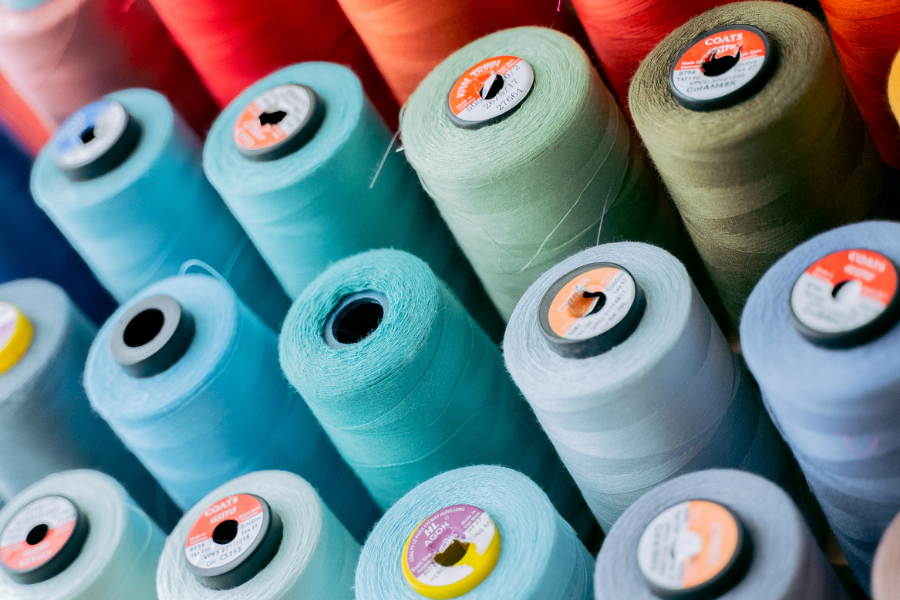




polyester suiting fabric
Key Takeaways
Polyester suiting fabric is a practical, budget-friendly option for structured garments, but it comes with real tradeoffs in breathability and drape. Knowing how it behaves on the cutting table and under the iron will save you a ruined project. Choose your weight and weave based on the garment you're actually making, not just the price tag.
- Polyester suiting ranges from 150–300 gsm and behaves very differently depending on weave structure and fiber blend.
- It resists wrinkles and holds its shape well, but it traps heat and does not breathe like wool or linen.
- A low iron temperature (synthetic setting, around 275°F) is non-negotiable to avoid melting or glazing the surface.
- Poly-blend suitings with 20–30% wool or rayon drape and breathe noticeably better than 100% polyester.
- Stabilize seam allowances with a lightweight fusible interfacing to prevent stretching along the bias.
What Polyester Suiting Actually Is (and Is Not)
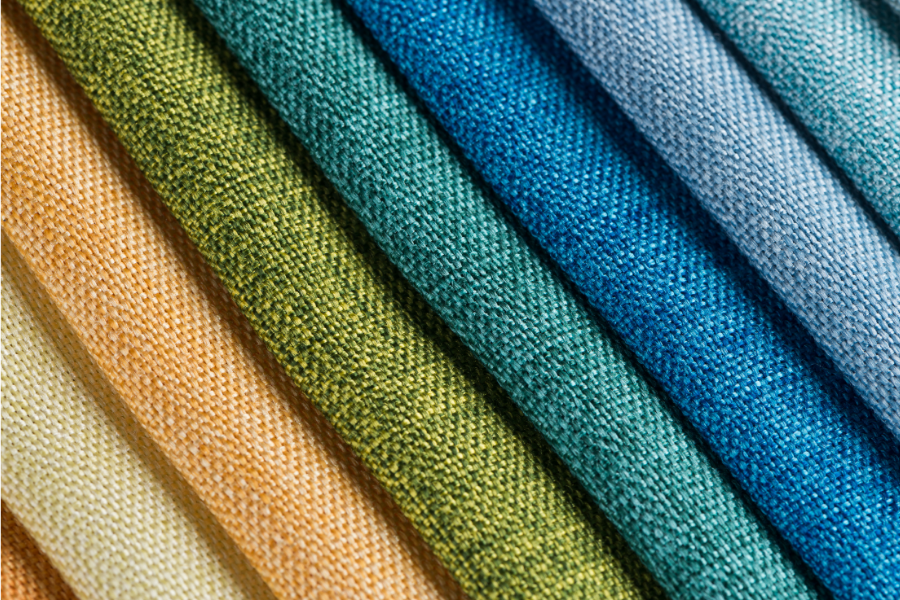
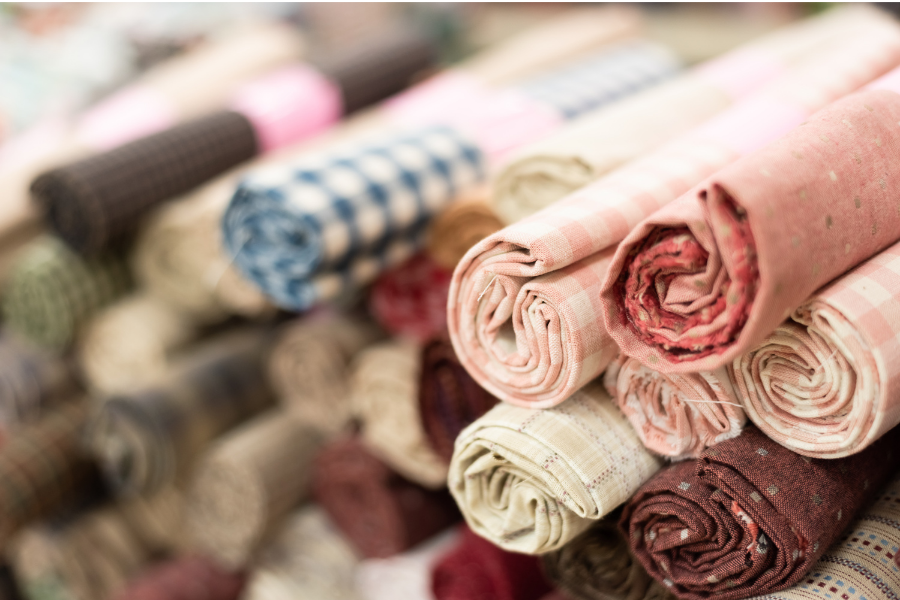
Walk into any fabric store and you will find bolts labeled "suiting" that span a huge price range. A lot of what sits at the affordable end is polyester suiting fabric, and it earns its place on the shelf for good reasons. Polyester is a synthetic fiber made from petroleum-derived polyethylene terephthalate, which gives it strength, color stability, and a long lifespan with minimal care. Woven into a suiting-weight cloth, usually between 180 and 280 gsm, it produces fabric that holds a pressed crease, resists wrinkles through a long workday, and launders easily. What it does not do is breathe. If you sew a blazer in 100% polyester suiting and wear it on a warm day, you will feel every degree of that warmth. That is the central tradeoff you are managing with this fiber choice. For more background on how polyester compares to other suiting options, visit our overview of suiting fabric types and weights.
How Weave Structure Changes the Way Polyester Suiting Behaves
Not all polyester suiting is the same cloth. The weave structure changes how the fabric drapes, how it presses, and how forgiving it is to sew. The three weaves you will encounter most often at retail yardage are plain weave, twill, and dobby or jacquard.
Plain Weave Polyester Suiting
Plain weave polyester suiting has a flat, even surface with very little texture. It is the most common and usually the least expensive. It presses very crisply, which makes it good for structured pieces like straight-leg trousers or a boxy blazer. The downside is that plain weave polyester can look plasticky in bright light, especially in lighter colorways. If you are sewing a pattern like the Grainline Studio Cascade Blazer, a plain weave poly suiting in a deep charcoal or navy will look more refined than the same cloth in ivory.
Twill and Herringbone Weaves
Twill weaves create diagonal lines across the fabric surface. They add visual texture and give the cloth a softer hand than plain weave at a similar weight. Herringbone is a V-shaped twill that looks especially traditional. Both weaves are more forgiving in terms of hiding small pressing mistakes, because the surface texture draws the eye rather than reflecting light evenly. If you are new to sewing suiting and want a little extra margin for error, a twill-weave polyester suiting is a better starting point than a flat plain weave.
Dobby and Jacquard Poly Suitings
Dobby and jacquard weaves build a pattern or texture directly into the cloth structure rather than printing it on afterward. These polyester suitings often get used for special occasion garments or statement blazers. They require more careful laying out because they have a directional repeat you need to match at seams. They also tend to be heavier, which means your pattern pieces need interfacing that can handle the added weight without pulling the fashion fabric out of shape.
Poly Blends Versus 100% Polyester Suiting
One of the most useful things to know before you buy is whether you are looking at 100% polyester or a blend. Fabric blended with 20–30% wool adds breathability and a much softer drape that falls closer to the behavior of a true wool suiting. A poly-rayon or poly-viscose blend brings a fluid quality that works well for wide-leg trousers or a wrap blazer where you want a little more movement. The tradeoff with blends is that care becomes more complicated. A 70% polyester / 30% wool blend usually needs dry cleaning or very careful hand washing, where pure polyester can go straight into a cold machine cycle.
If you need a washable suiting for everyday wear, 100% polyester or a poly-lycra blend with 2–5% spandex is the more practical choice. The lycra adds a small amount of ease through the seat and thighs that makes trousers far more comfortable for all-day wear. Cashmerette and Closet Core both offer trouser patterns that work well with this kind of fabric, particularly if you are fitting for a fuller hip. Just know that spandex blends need a ballpoint needle, not a standard sharp, to avoid skipped stitches.
Cutting, Sewing, and Pressing Polyester Suiting Without Wrecking It
The biggest mistake people make with polyester suiting is treating the iron the same way they would treat a wool. Polyester melts. It does not scorch brown the way cotton does and give you a warning. It glazes over and develops a permanent sheen that cannot be reversed. Set your iron to the synthetic setting, which is typically around 240–275°F depending on your iron model. Always use a press cloth, even at the lower temperature. A cotton muslin press cloth gives you a buffer and lets you press confidently.
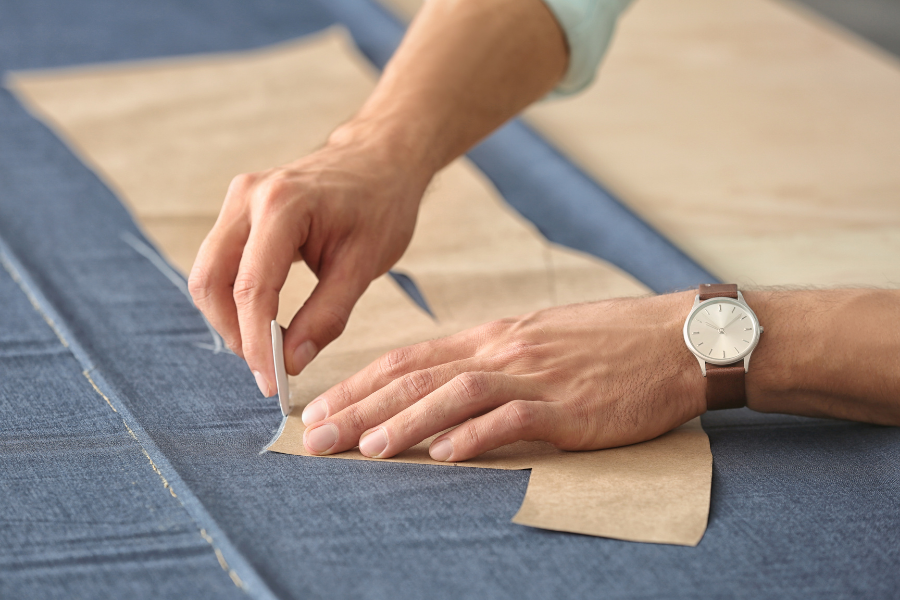
For cutting, a rotary cutter and a fresh blade will give you cleaner edges than shears on most woven poly suitings, because the tight synthetic fibers can drag and shift under scissors pressure. Pin within the seam allowance or use pattern weights to avoid pinholes in the fashion fabric if your cloth is especially dense. Sew with a 70/10 or 80/12 sharp needle and polyester thread. Cotton thread is not ideal here because polyester fabric has more give than cotton thread, which can cause seam stress under tension. Stabilize the back neckline, shoulder seams, and any bias-cut edges with a narrow strip of fusible interfacing tape before you sew.
Frequently Asked Questions
Is polyester suiting fabric good for beginners?
Yes, with caveats. It does not fray as aggressively as some loosely woven fabrics, and it holds its shape on the cutting table. The main beginner risk is the iron temperature. If you can remember to keep the heat low and always use a press cloth, polyester suiting is genuinely manageable for a first blazer or trouser project.
Can I machine wash polyester suiting fabric?
100% polyester suiting is usually machine washable on a cold, gentle cycle. Blends that include wool, rayon, or viscose typically need dry cleaning or careful hand washing. Always check the bolt end or manufacturer label for fiber content and care instructions before you cut into your yardage.
What needle size works best for polyester suiting?
A 80/12 sharp or microtex needle works well for most woven polyester suitings at standard weight. If your fabric includes spandex, switch to an 80/12 ballpoint. Replace your needle every 6 to 8 hours of sewing time, because a dull needle on synthetic fabric causes skipped stitches and can snag the weave.
How does polyester suiting compare to wool suiting in terms of cost?
Polyester suiting typically runs between $8 and $18 per yard at retail. A comparable weight of 100% wool suiting usually starts around $25 per yard and can go well above $60 for milled Italian or British cloth. The cost difference is real, but so is the breathability and drape difference.
What patterns work well with polyester suiting fabric?
Structured garments with minimal ease suit this fabric well. Think Closet Core's Sienna Maker Jacket, True Bias's Shelby trousers, or any straight-leg trouser pattern with a clean silhouette. Avoid patterns designed for fluid drape, like bias-cut skirts, because most poly suitings are too stiff to fall the way the designer intended.
Does polyester suiting require interfacing?
Most suiting weight polyester benefits from interfacing at the collar, lapels, and front placket to add body and prevent stretching. Use a woven or knit fusible at a weight appropriate to your fashion fabric. Avoid heavy sew-in interfacing unless the pattern specifically calls for it, as it can create bulk that is hard to ease through curved seams.
Can polyester suiting be altered after sewing?
Yes, though needle holes can be more visible in polyester than in wool because synthetic fibers do not relax back around the puncture. Let out seams carefully and press the original seamline with a damp press cloth to minimize old stitch marks. Build in adequate seam allowances when you cut so you have room to work.
Find the Right Suiting Fabric for Your Next Project at Sewing Studio
Polyester suiting fabric earns a permanent place in a well-stocked sewing room because it is durable, affordable, and forgiving to care for. It is not the answer for every project, and knowing where it falls short helps you make better decisions than relying on price alone. If you want to compare it side by side with wool, linen, or cotton suiting options, our full guide to suiting fabric will walk you through the full range. We carry a curated selection of suiting weights chosen for garment sewing, not upholstery or costumes, and our team in Asheville is always happy to help you find the right match for your pattern. Shop our suiting fabric collection at sewingstudio.com or come see the bolts in person at our Asheville location.