



New Blog: 'Best Made by Rae Patterns for Every Skill Level' — Brand + Pattern Discovery Content
Key Takeaways
Made by Rae patterns are beloved for their clean lines, generous ease, and family-friendly sizing that works for babies through adults. Rae Hoekstra writes clear instructions and drafts patterns that reward careful fabric selection. Choose natural fibers with good drape or body depending on the style, and you will get results that look and feel like quality ready-to-wear.
- Made by Rae offers beginner-friendly construction with instructions detailed enough for intermediate sewists to breeze through
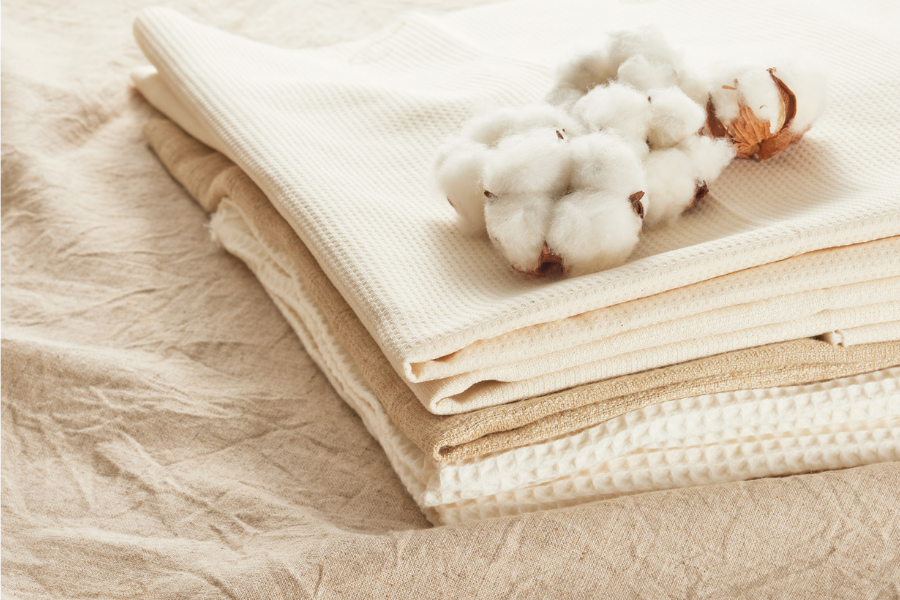
- Woven cottons, linen blends, and lightweight canvas are the go-to fabrics for most Rae styles
- Sizing runs from newborn through plus sizes depending on the pattern, so the line works well for coordinating family outfits
- Many patterns are available as print-at-home PDFs and printed booklets, giving you flexibility on format
- Pairing the right interfacing and closures with a Made by Rae pattern makes a noticeable difference in the finished garment
Who Is Made by Rae and Why Sewists Keep Coming Back
Made by Rae is the indie pattern label founded by Rae Hoekstra, a home sewist and mother whose blog and pattern line grew out of a genuine need for functional, attractive clothes for her own kids and family. She started sharing free patterns and tutorials on her blog around 2008, and what began as a personal creative outlet became one of the most recognized names in the indie sewing pattern world. Her aesthetic leans toward relaxed, wearable silhouettes with thoughtful details rather than fussy embellishments. If you have spent any time in the online sewing community, you have almost certainly seen a indie sewing pattern sewn up from her catalog shared on Instagram or Pinterest. The patterns feel approachable, but they are drafted well enough that experienced sewists find them satisfying to make. That balance is genuinely hard to pull off, and it is a big part of why the label has staying power.
The Pattern Catalog: What Made by Rae Actually Makes
The Made by Rae catalog covers children's wear, women's wear, and a handful of accessories. Some of the most popular titles include the Washi Dress, the Geranium Dress, the Flashback Skinny Jeans, and the Wiksten Tank (which Rae licensed and has since evolved through collaborations). The Washi Dress is a great example of what the label does well: a simple bodice, a choice of sleeve options, and a skirt that can be gathered or A-line. It sews up in an afternoon with basic wovens and looks polished even in a beginner's hands. Children's patterns like the Geranium Dress cover a wide range of sizes, which matters when you are sewing for a child who grows fast. On the women's side, the patterns assume a basic understanding of garment construction but rarely demand advanced techniques. You will encounter simple plackets, basic waistbands, and straightforward zipper applications rather than tailored collars or pad-stitched lapels. That keeps the sewing enjoyable rather than stressful.
Patterns Worth Starting With
If you are new to the label, the Washi Dress is a strong first pick for women. For children's sewing, start with the Geranium Dress, which has appeared in countless fabric-shop sew-alongs because it is so adaptable. The Flashback Skinny Jeans are worth attempting if you have already sewn a pair of pants before and understand basic fitting adjustments. For a quick project that builds confidence, the simple separates from the children's line sew up fast and photograph beautifully. You can find Made by Rae patterns in our shop alongside coordinating fabric recommendations we update seasonally.
Choosing the Right Fabric for Made by Rae Patterns
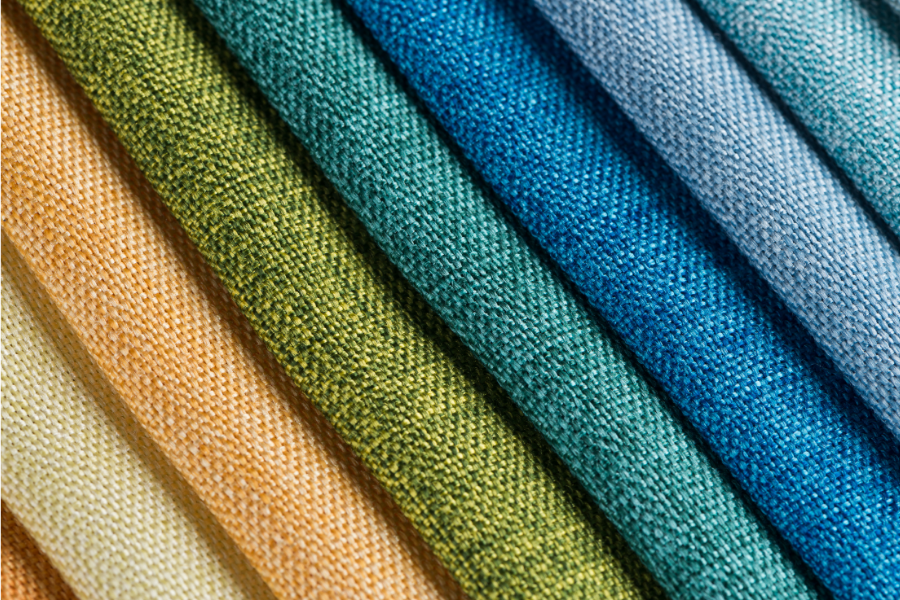
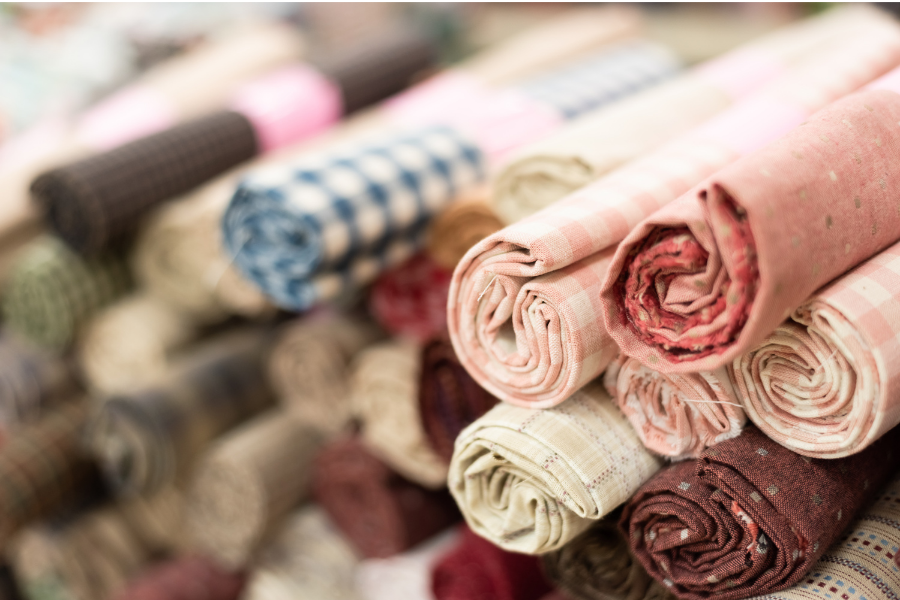
Rae's patterns include fabric recommendations, but understanding the reasoning behind those suggestions helps you make better substitutions when your first choice is out of stock. Most woven patterns in the catalog call for light to medium-weight wovens with little to no stretch. The Washi Dress, for example, works beautifully in a quilting cotton or cotton lawn. A cotton lawn gives a softer, slightly more flowy result, while a quilting cotton creates a bit more structure in the skirt. Both are correct choices, just different in finished feel. Avoid anything too stiff like a home-dec canvas for bodice-forward designs, because the ease built into the pattern already provides comfort, and a heavy fabric will make the garment feel boxy rather than relaxed. Linen works very well for the Washi Dress in warmer months, particularly a medium-weight linen or a linen-cotton blend. The slight structure of linen complements the A-line silhouette, and it presses beautifully at every seam.
Knit Patterns in the Made by Rae Line
Some Made by Rae patterns are designed specifically for knits, and these call for a different approach. Jersey and interlock are the most commonly recommended. Jersey is lighter with more drape, while interlock has a firmer hand and less curl at the cut edges, which makes it easier to handle for newer sewists. A fabric with 50 percent or more stretch in the crosswise direction usually satisfies the pattern's stretch requirements. If you are unsure whether your knit has enough stretch, fold a 4-inch section crosswise and stretch it gently. It should reach at least 6 inches without significant resistance. You can browse our knit fabric collection to find options that meet those stretch requirements. One honest tradeoff: lightweight jersey is easier to fit but harder to sew cleanly. Interlock is more forgiving at the machine but can feel warmer to wear.
Fabric Quantities, Prep, and Common Mistakes
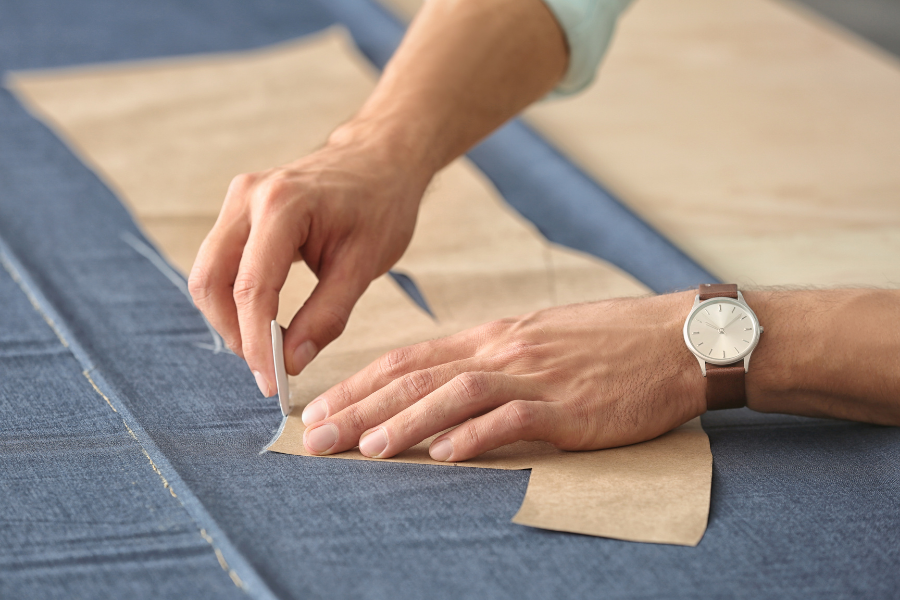
Made by Rae patterns include cutting layouts for standard fabric widths, typically 44-45 inches and sometimes 60 inches. Always check the cutting guide before you buy, because yardage can shift significantly between fabric widths. Pre-washing your fabric before cutting is genuinely non-negotiable with natural fibers. Cotton can shrink 3 to 5 percent in the first wash (according to data published by the Cotton Incorporated research library), which means a skirt cut without pre-washing could come up short after the first laundry cycle. Linen can shrink even more aggressively, sometimes 5 to 8 percent depending on the weave. Wash and dry your fabric the same way you plan to wash the finished garment before you cut a single piece. Press out any wrinkles before laying out your pattern pieces, because grain alignment directly affects how the finished garment hangs. A skirt cut even slightly off-grain will twist and pull with wear.
Interfacing Choices Matter More Than You Think
For any Made by Rae pattern that includes a waistband, placket, or facing, choose your interfacing thoughtfully. A woven or non-woven fusible interfacing in a weight that matches your fashion fabric keeps those structural pieces crisp without adding bulk. For lightweight cotton lawn, use a lightweight fusible like a sheer or featherweight interfacing. For mid-weight cotton or linen, a standard woven fusible works well. The Crafts Council notes that proper interfacing is one of the most consistently overlooked steps in home garment construction, and the difference shows in how a finished garment holds up through wear and washing.
Fitting Made by Rae Patterns to Your Body
Rae drafts her women's patterns to a standard set of measurements, and like all indie pattern designers, she works from a specific body model. The patterns tend to include generous ease, which is helpful for everyday wear but can read as oversized on smaller frames. If you are petite, consider doing a full-length adjustment on bodice pieces before cutting, trimming 1/2 inch to 1 inch between the bust and waist. For curvy or plus-size sewists, the patterns often accommodate larger hips and full busts better than many commercial patterns do, but a full bust adjustment may still improve the fit through the chest. The indie sewing pattern community has written extensively about fitting Rae's patterns, and resources like the Threads Magazine fitting archives offer technique guidance that applies directly to this style of pattern. Sewing a muslin in an inexpensive cotton before cutting your fashion fabric is always worth the time investment on a new pattern, even if the construction looks simple.
Coordinating Notions for Made by Rae Projects
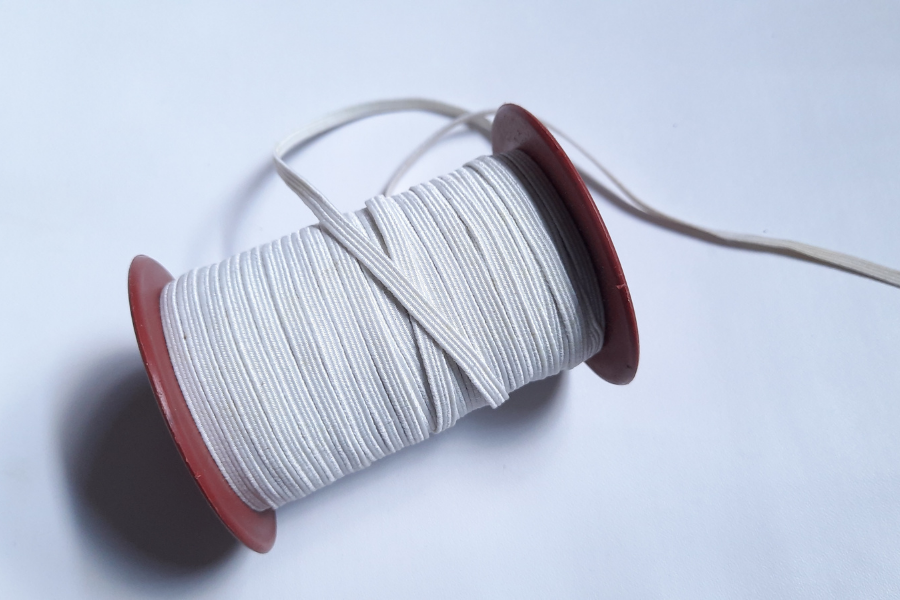
Most Made by Rae patterns use straightforward closures: buttons, a short invisible or centered zipper, or elastic waistbands. For a polished finish on buttons, choose a size and color that reads as intentional rather than functional. Shell buttons in a tone-on-tone colorway look especially good on cotton and linen. For zippers, a quality YKK zipper in a matching color makes a real difference in how the finished garment looks from the outside. Our zipper selection by color and length makes it easy to find a match. Thread is worth spending a little more on as well. A high-quality cotton or cotton-wrapped polyester thread like Aurifil or Gutermann reduces lint buildup in your machine and produces cleaner stitches. The Aurifil thread guide includes weight recommendations by fabric type that apply well to the fabrics you will use with Rae's patterns. For elastic waistbands, a braided elastic in the width specified by the pattern is worth buying new rather than raiding your notions bin, because older elastic loses its recovery.
Frequently Asked Questions
Are Made by Rae patterns good for beginners?
Yes, many titles in the catalog work well for confident beginners. The Washi Dress and Geranium Dress are among the most recommended first garments in the indie sewing community because the instructions are clear and the construction is logical. That said, having basic machine skills and understanding seam allowances before you start will make the process much smoother.
What fabric weight works best for the Washi Dress?
Light to medium-weight wovens work best. Cotton lawn, quilting cotton, a light chambray, or a soft linen-cotton blend all produce great results. Avoid home-dec weight fabrics or anything too crisp, because the pattern's ease is already generous and a stiff fabric will add unwanted bulk.
Where can I buy Made by Rae patterns?
Made by Rae patterns are available directly through the Made by Rae website as PDF downloads and printed booklets. You can also find select titles at independent sewing shops like ours that carry curated indie pattern selections alongside coordinating fabric recommendations.
Do Made by Rae patterns include seam allowances?
Yes, seam allowances are included in all Made by Rae patterns. The standard seam allowance is typically 3/8 inch or 1/2 inch depending on the pattern. Always check the individual pattern instructions before you start because it is one of those details that varies and matters at the cutting stage.
How do I adjust a Made by Rae pattern for a full bust?
A full bust adjustment, often called an FBA, adds width and length to the bust area of a bodice pattern piece. It is a standard alteration for anyone whose full bust measurement is more than 2 inches larger than the pattern's bust measurement at the size you cut. Our full bust adjustment tutorial walks through the process step by step for woven bodices.
What is the difference between the PDF and printed versions of Made by Rae patterns?
The PDF version requires you to print at home or send to a copy shop and tape or trim the pages together. A full-size or A0 print from a copy shop skips the taping step entirely. The printed booklet arrives ready to trace. Both versions contain the same pattern pieces and instructions, so the choice comes down to your workflow preference and how quickly you need to start sewing.
Can I use a serger for Made by Rae patterns?
Absolutely. A serger finishes seam allowances cleanly and speeds up construction on woven patterns. For knit patterns, a serger is particularly helpful because it sews and finishes in one pass while maintaining the stretch in the seam. The University of Minnesota Extension sewing guide covers serger settings for stretch fabrics if you are new to sewing knits.
What size should I cut from a Made by Rae women's pattern?
Always measure yourself and compare to the finished garment measurements or the pattern's body measurement chart rather than guessing based on your ready-to-wear size. Indie patterns are not sized like store clothing. Cut the size closest to your full bust at the top and blend to your hip measurement at the waist and below if needed. Our guide to taking accurate body measurements will help you start on the right foot.
Find Your Next Made by Rae Project at Sewing Studio Fabrics
Made by Rae patterns reward the sewist who takes time to pick the right fabric, pre-wash everything, and make a simple muslin before cutting into their good yardage. Whether you are sewing a Washi Dress in a crisp linen for summer or sewing the Geranium Dress in a double gauze for a quick kid's gift, the quality of your fabric genuinely shapes the result. We stock the natural-fiber fabrics, quality interfacings, YKK zippers, and thread weights that work best with this style of pattern, and our staff are working sewists who can help you match a fabric to a specific Rae design. Shop our curated fabric selection at sewingstudio.com or visit us in Asheville.