

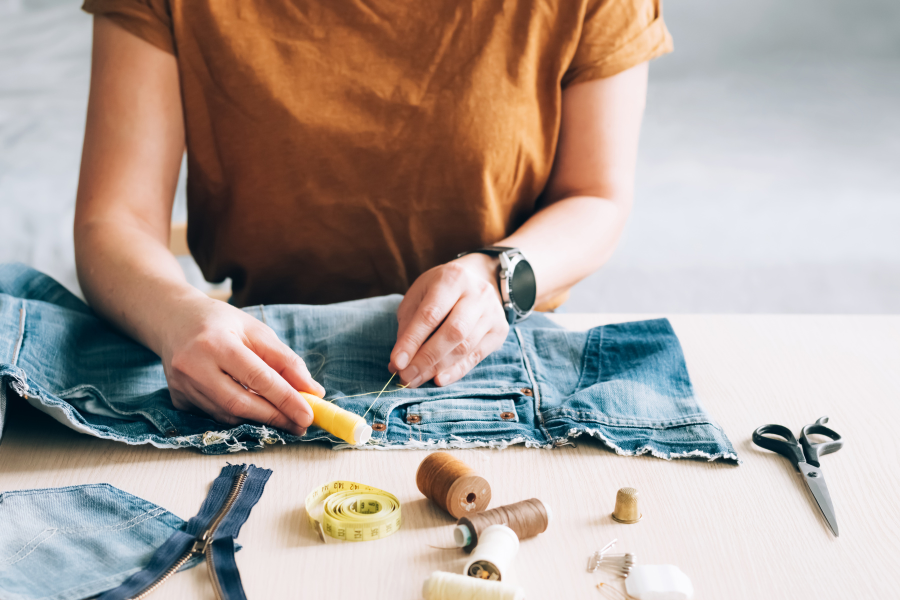



metal snaps for sewing
Key Takeaways
Metal snaps give garments and bags a polished, durable closure that plastic snaps rarely match. Choosing the right snap comes down to cap size, prong style, and fabric weight. With the right setter tool and a few practice snaps, even beginners can install them cleanly the first time.
- Ring snaps, spring snaps, and sew-on snaps each suit different fabrics and use cases.
- Cap size (measured in lignes) determines how visible the snap will be from the outside of your garment.
- A proper setter tool prevents crushed caps and misaligned posts.
- Interface lightweight fabrics before adding metal snaps to prevent tearing around the attachment point.
- Brass snaps resist corrosion better than steel snaps, making them the better choice for outerwear and bags that see rain.
What Metal Snaps Actually Are (and Why the Type Matters)
A metal snap fastener is a two-part closure: a socket and a stud. Press them together and they click shut. Pull them apart and they release. Simple enough, but walk into any well-stocked notions section and you will find ring snaps, spring snaps, sew-on snaps, and heavy-duty jeans snaps all sitting next to each other. They are not interchangeable. Ring snaps (also called prong snaps or KAM snaps in their plastic form) have a decorative cap on the outside and attach by folding prongs through the fabric. Spring snaps, common in outerwear and baby clothing, use a coiled internal spring for a firmer hold. Sew-on snaps have small holes around the perimeter and require a needle and thread rather than a setting tool. Each style behaves differently under stress, looks different from the outside, and suits a different range of fabric weights. Picking the wrong one is how you end up with a snap that pops open mid-wear or one that tears through your fabric after six months of use.
Snap Sizes, Materials, and What the Numbers Mean
Metal snap size is measured in lignes, an old French unit still used in the notions industry. One ligne equals roughly 0.635 millimeters, so a size 16 snap has a cap diameter of about 10 millimeters. Size 20 snaps (about 12.7 mm) are the most common for garment work. Size 24 (about 15 mm) shows up frequently on jacket fronts and heavy canvas bags. The size affects both how the snap looks from the outside and how much holding strength it delivers.
Material matters just as much as size. Most metal snaps are made from brass, steel, or a zinc alloy. Brass costs more but resists rust well, which is why it appears on quality outerwear, leather goods, and bags. Steel snaps are strong and affordable but can oxidize if the finish wears off. Zinc alloy snaps sit in the middle on both price and corrosion resistance. Nickel-plated finishes are standard; antique brass and matte black are common in the indie sewing world right now because they work beautifully with canvas, waxed cotton, and linen. If you are sewing children's clothing, check that your snaps are nickel-free, as nickel allergies are common in young children (American Academy of Dermatology Association).
A Quick Size Reference
Size 16 snaps work well on lightweight cotton blouses and shirt plackets. Size 20 covers most woven garments and light bag hardware. Size 24 and larger belong on heavy denim, canvas totes, and jackets where you need a firm, visible closure. When in doubt, go up one size rather than down. A snap that is slightly too large holds better than one that is too small and fails to engage fully.
Choosing the Right Snap for Your Fabric Weight
Fabric weight is the single biggest factor in snap selection, and it is the one most people skip over. A delicate rayon challis sewn for a True Bias Ogden cami needs a size 16 sew-on snap or a very lightweight ring snap, and even then you should back the snap with a small square of interfacing or a fabric stay. Putting a heavy ring snap on lightweight fabric without interfacing creates a stress point. Over time the prongs pull through, leaving a small, unhappy hole in an otherwise beautiful blouse.
Medium-weight fabrics like quilting cotton, denim shirting, or a bottom-weight linen can handle size 20 ring snaps without any drama, especially if you use the correct setter and apply steady, even pressure. Heavy fabrics like canvas, outerwear wool, or a doubled layer of duck cloth are where spring snaps shine. They have a more satisfying click and a stronger hold than ring snaps at equivalent sizes. A sewist making a Closet Core Hovea Boilersuit out of 10-ounce canvas, for example, would be well served by size 24 spring snaps at the chest pockets rather than standard ring snaps. The boilersuit will take a lot of wear, and the heavier snap hardware reads as intentional and refined rather than overpowered.
How to Set Metal Snaps Without Ruining Them
The setting tool is where most snap frustrations start. Metal snaps require a two-part setter: an anvil that holds the back piece and a setter that shapes the front cap as you strike it. Hand setters work fine for occasional use. A snap press (either a handheld press like those from Prym or a tabletop version) gives you more control and reduces the chance of a glancing blow that crushes the cap. Practice on a scrap of the same fabric and the same number of layers you plan to use in the actual garment. The prong length on ring snaps is calibrated for a specific total fabric thickness, and if your fabric stack is thinner or thicker than expected, the prong will either not fold over fully or will fold so far it distorts the cap.
Mark your snap placement with a water-soluble marker before you punch any holes. Use an awl or a hollow punch to make a clean hole rather than scissors or a seam ripper. A clean hole keeps the surrounding fabric intact and gives the prong something solid to grip. After setting, check the snap by snapping and unsnapping it six or seven times. If it feels loose, the prong did not fold completely, and you need to reset it. You cannot back out a set snap and reuse it, so always keep a few extras on hand.
Frequently Asked Questions
What is the difference between a ring snap and a spring snap?
A ring snap (also called a prong snap) attaches by folding metal prongs through the fabric and into the cap. A spring snap uses an internal coiled spring mechanism for a firmer, more positive click. Spring snaps are better for heavy fabrics and outerwear. Ring snaps work well on lighter to medium weight fabrics and come in a wider range of decorative finishes.
Can I use metal snaps on stretchy knit fabrics?
Yes, but knits require extra preparation. Back the snap placement with a small square of woven interfacing or twill tape to stabilize the fabric. Without it, the snap area will stretch unevenly and the closure will feel sloppy. Sew-on snaps are sometimes easier on delicate knits because they distribute stress across multiple thread anchors rather than a single punched hole.
Do I need a special tool to set metal snaps?
Yes. Prong-style ring snaps need a setter and anvil, sold together in most notions kits. Sew-on snaps only need a needle and thread. Trying to set ring snaps with just a hammer and a hard surface usually crushes or misaligns the cap. Prym and Dritz both make reliable hand setters in the $8 to $15 range that work well for home sewists.
How do I choose between nickel, antique brass, and matte black finishes?
Let your fabric lead the decision. Antique brass reads warm and pairs well with canvas, waxed cotton, linen, and earthy tones. Matte black suits structured bags and modern minimalist garments. Nickel is neutral and works on almost anything but can feel a bit expected. Consistency across a garment matters, so match your snap finish to your zipper pulls and any other exposed hardware.
What size metal snap should a beginner start with?
Start with size 20 snaps on a medium-weight cotton or linen. Size 20 is forgiving, widely available, and the most common size in notions kits. It gives you a realistic sense of how snaps behave before you work with a more demanding fabric or a specialty size. Buy a pack of ten so you have room to practice.
Are metal snaps safe for baby and children's clothing?
Metal snaps can be safe, but look for snaps labeled nickel-free, as nickel is a common skin sensitizer in young children. Brass snaps with a nickel-free plating are a reasonable option. Many sewists making baby clothing default to plastic snap fasteners specifically to avoid the nickel question, though the American Academy of Dermatology Association notes that nickel allergy can develop at any age with repeated exposure.
Can I remove a metal snap that I set in the wrong spot?
Not cleanly. Once prongs are folded over, they are permanent. Your best option is to cut the snap away with small wire cutters or a seam ripper, which will leave a small hole or slight distortion. If the fabric is a solid color and you are cutting, you may be able to reposition slightly, but factor in the damage. Always mark and double-check placement before setting.
Shop Metal Snaps and Everything Else You Need for Your Next Project
Metal snaps are a small purchase with an outsized effect on how finished and functional your garments and bags feel. Getting the size, material, and setting technique right means closures that last the life of the project. At Sewing Studio Fabrics, we carry a curated selection of metal snaps alongside the setter tools, interfacing, and natural-fiber fabrics that make them work. Whether you are finishing a canvas tote, a waxed jacket, or a shirt with a snap placket, you will find what you need alongside the rest of our sewing notions online. Shop the full notions collection at sewingstudio.com or stop by our Asheville shop and we will help you find exactly the right snap for the job.