
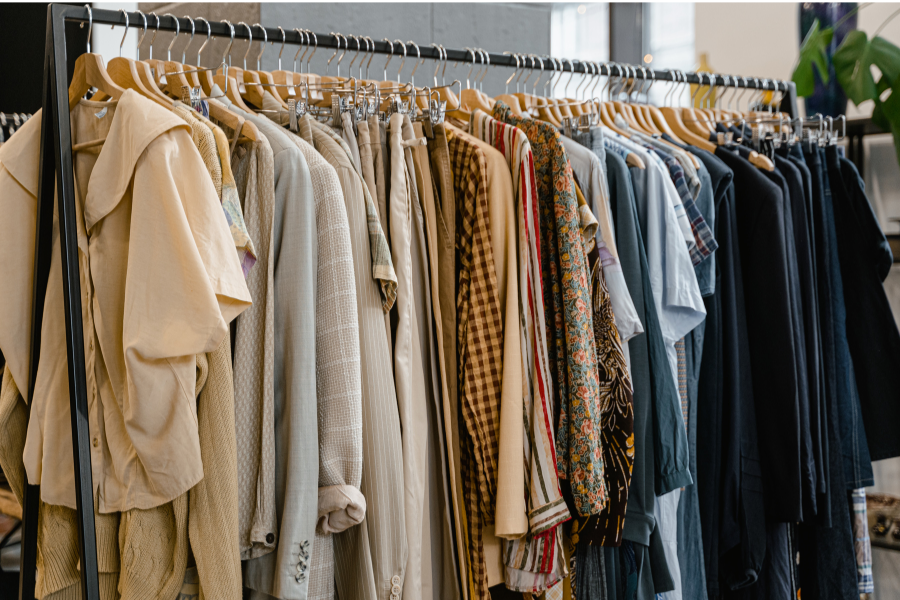
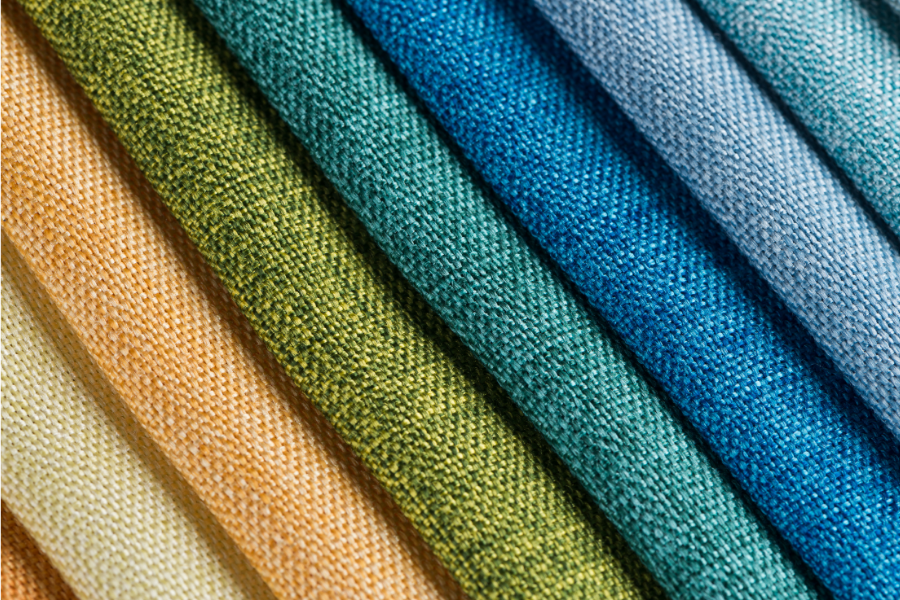
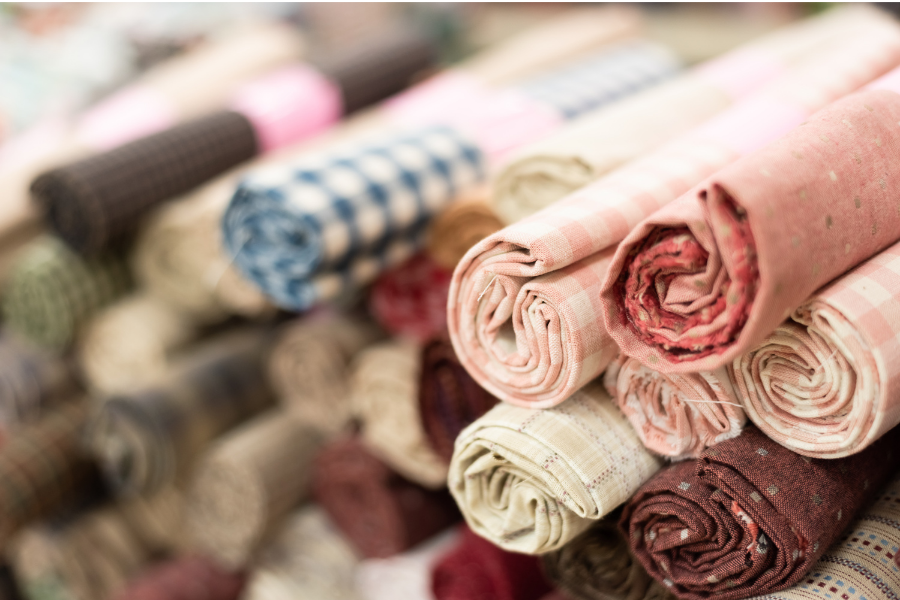


menswear suiting fabric
Key Takeaways
Menswear suiting fabric requires more structure, durability, and drape than most garment sewing projects demand. Wool is the gold standard, but wool blends, linen, and cotton seersucker all have legitimate places in a well-made suit or blazer. Choosing the right fabric depends on end use, your sewing skill level, and how much ease and fitting work you want to take on.
- Wool and wool blends offer the best drape, recovery, and longevity for tailored menswear
- Fabric weight (measured in ounces per yard or grams per square meter) should match the season and garment silhouette
- Interfacing, underlining, and canvas are just as important as the fashion fabric itself
- Linen and cotton seersucker are honest alternatives for warm-weather suits when wool is impractical
- Preshrinking and testing your pressing technique before cutting can save an entire project
What Makes Menswear Suiting Fabric Different From Other Wovens
Pick up a piece of quilting cotton and a piece of 10-ounce wool suiting and you will immediately feel the difference. Suiting fabric for menswear is engineered to hold a pressed crease, recover from sitting and movement, and survive decades of wear without pilling or losing its shape. It has enough body to support structured seams, padded shoulders, and welt pockets without collapsing, but it should also fall cleanly from the shoulder without stiffness. That balance of body and drape is the whole game in suiting, and it is why fabric selection matters so much more here than it does in a simple shirtdress or a pair of shorts. If you want a deeper look at how suiting fabric behaves across different fiber types and weave structures, our full guide to suiting fabric is a good place to start.
Wool Suiting: The Benchmark Everything Else Is Measured Against
Wool has been the dominant suiting fiber for centuries, and for genuinely practical reasons. It breathes, regulates temperature, and resists wrinkles better than most synthetic alternatives. The lanolin in wool fiber gives it a natural water resistance. When you steam-press a wool seam, the fibers actually shrink and mold to the shape you give them, which is called "blocking" or "working" the fabric. That quality is what allows a skilled tailor to shape a flat piece of cloth into a three-dimensional garment that fits a rounded shoulder or a curved chest without relying entirely on darts.
For home sewists tackling a first suit or blazer, a mid-weight wool suiting in the 8 to 11 ounce per yard range is the most forgiving starting point. Pure new wool in a plain twill or hopsack weave is easier to press and manipulate than a high-twist worsted or a wool crepe. Brands like Robert Kaufman and Telio both produce quality wool suiting yardage that reads as professional without being prohibitively expensive. Heavier weights in the 12 to 14 ounce range are better reserved for overcoats and structured double-breasted jackets.
Wool Blends Worth Knowing
A wool-polyester blend in the 55 to 45 or 60 to 40 range offers easier care and lower cost, but you will give up some of the pressing responsiveness that makes all-wool so satisfying to work with. Wool-silk blends, on the other hand, add a subtle sheen and softer hand without sacrificing drape. These show up in higher-end Italian suiting lines and are genuinely lovely for a wedding suit or a dressy blazer. Wool-linen blends hit a sweet spot for spring and summer suiting: they press well, breathe, and have a relaxed texture that works beautifully in an unlined or half-lined jacket.
Fabric Weight and Weave: Matching the Cloth to the Season
Weight is the most practical spec to understand when shopping for menswear suiting. The Woolmark Company publishes guidelines that describe suiting weights from super-lightweight tropicals at 6 to 7 ounces up through heavy overcoating at 16-plus ounces (Woolmark Company, woolmark.com). For most four-season blazers and two-piece suits, you are working in the 8 to 12 ounce window.
Weave structure also determines how the finished garment reads and behaves. A plain weave gives you a smooth, clean face with good structure. A twill weave, which includes classic herringbone and houndstooth patterns, has a diagonal rib that adds visual texture and slightly more drape than plain weave at the same weight. A flannel is a plain or twill-weave fabric that has been lightly brushed to raise the surface fibers, giving it a soft matte appearance and a warm hand that reads as decidedly autumn and winter. Crepe weaves, which use high-twist yarns, create a pebbly texture and excellent drape but can be trickier to press because the texture flattens if you apply too much heat.
Non-Wool Options: Linen, Cotton, and Hopsack for Warm-Weather Suits
Not every suit needs to be wool. A linen suit for a summer wedding or a cotton seersucker blazer for a Southern summer garden party are not compromise choices: they are correct choices for the context. Linen suiting wrinkles, full stop. That is a real tradeoff you need to accept before you cut into it. The wrinkles are part of the aesthetic, and they soften as linen breaks in over time. For best results, choose a medium-weight linen in the 5 to 7 ounce range and underline it with a woven cotton lawn to give the seams something to grip and to reduce see-through in lighter colors.
Cotton seersucker, with its puckered stripe, is one of the most underused suiting fabrics in home sewing. It does not need to be ironed between wearings, it breathes well, and the texture gives it a casual formality that works for all kinds of warm-weather occasions. The challenge is that it has almost no recovery, so the pants need a well-fitted seat and thigh, and knee bags will happen over time. A cotton or linen-cotton blend hopsack is another strong option: the open weave keeps the garment cool, and the basket-weave structure has enough body to hold a jacket shape without extensive interfacing.
Underlining, Interfacing, and Canvas: The Hidden Structure of a Good Suit
One of the most common mistakes home sewists make when approaching menswear suiting is treating the fashion fabric as the whole project. In a well-constructed suit jacket, the visible outer fabric is only part of the story. The chest piece, traditionally made from a hair canvas, is what gives the jacket front its roll and shape. Hair canvas is woven from a combination of wool, goat hair, and cotton, and it molds to the body over time in a way that fusible interfacing simply cannot replicate. For a beginner, a sew-in woven interfacing is a reasonable compromise. Fusible interfacings work in blazers and sport coats where a slightly stiffer, more structured front is acceptable, but avoid them in pure wool suiting because the heat and moisture required to fuse them can permanently damage the wool's surface.
Underlining the body of a jacket, particularly the side panels and back, stabilizes the fashion fabric, makes hand-sewing easier, and adds a layer of warmth in lighter-weight wools. A lightweight woven cotton batiste or a silk organza are the most common underlining choices. Neither adds bulk, and both give your needle something to catch when you are pad-stitching a lapel or tacking down seam allowances by hand.
Frequently Asked Questions
What is the best suiting fabric for a beginner sewing their first blazer?
A mid-weight wool-polyester blend in a plain or simple twill weave is the most forgiving starting point. It presses reliably, frays less aggressively than pure wool, and costs less per yard. Avoid high-twist worsteds, heavy double-faced wools, or anything with a directional pile until you have a few projects under your belt.
How much fabric do I need for a men's suit jacket?
Plan for 2.5 to 3.5 yards of 60-inch fabric for a jacket, depending on the size and the pattern. Add another 2 to 2.5 yards for trousers. If your fabric has a large repeat pattern or a plaid that needs matching, add 10 to 20 percent more yardage to account for matching at side seams and pocket welts.
Do I need to preshrink suiting fabric before cutting?
Yes. Wool suiting should be steam-pressed thoroughly or wet-finished before cutting. Linen and cotton suiting should be washed and dried using the method you plan to use for the finished garment. Skipping this step on any natural fiber risks shrinking a finished suit the first time it gets rained on or dry-cleaned.
Can I machine wash a suit made from wool suiting?
Most wool suiting is not designed for machine washing. Agitation causes wool fibers to felt irreversibly. Dry cleaning or careful hand washing in cold water with a wool-specific detergent is safer. Some wool-synthetic blends are machine washable on a delicate cycle, but always check the fiber content and test a swatch first before committing the whole garment.
What interfacing should I use for a wool suit jacket?
For the best results, use a sew-in woven hair canvas for the chest piece and a sew-in woven interfacing for the collar and cuffs. If you are making a casual blazer rather than a formal suit, a quality fusible woven interfacing designed for suiting can work in the front facing and collar stand, but test it on a swatch first to make sure it does not bubble or alter the surface texture of your fabric.
What is the difference between worsted and woolen suiting?
Worsted wool is made from long, parallel, combed fibers that produce a smooth, firm fabric with a clean surface. It presses crisp and holds a crease well, making it the go-to for dress trousers and formal suits. Woolen suiting uses shorter, carded fibers and produces a softer, fuzzier fabric like flannel or tweed. It is warmer and more casual in character.
Is linen suiting appropriate for a wedding suit?
Linen is a great choice for an outdoor warm-weather wedding, especially in a relaxed or garden setting. Accept that it will wrinkle and plan the photos accordingly. For a formal indoor ceremony, a lightweight wool or wool-silk blend will photograph more cleanly and hold its shape through a long day of wear without the characteristic linen creasing.
Find Your Menswear Suiting Fabric at Sewing Studio Fabrics
Getting the fabric right is the foundation of every good suit. Once you know the weight, fiber, and weave structure you are after, the rest of the project falls into place much more easily. At Sewing Studio Fabrics, we stock natural-fiber suiting yardage alongside the interfacings, canvas, thread, and closures you need to finish the job properly. Our team sews and teaches, so when you have a question about which wool works best with a specific pattern or how to handle a tricky plaid match, we can give you a real answer. Shop our curated fabric selection at sewingstudio.com or visit us in Asheville.