



Understanding Knit Fabric Properties When Shopping Online
Shopping for knit fabric online means relying on detailed product descriptions rather than your hands to assess fabric behavior. Unlike woven fabrics that maintain consistent structure, knits vary dramatically in stretch, recovery, and drape based on their construction method and fiber content. Oregon State University's textile extension program notes that knit fabrics can stretch anywhere from 20% to 400% depending on their knit structure. When evaluating knit fabrics online, focus on three critical measurements: fabric weight (measured in grams per square meter or GSM), stretch percentage in both directions, and recovery rating. A quality cotton jersey fabric typically weighs between 140-180 GSM and offers 40-60% stretch with excellent recovery. Heavier knits like ponte or wool knit fabrics range from 250-350 GSM and provide structure for tailored garments while maintaining stretch comfort.
Decoding Stretch and Recovery Specifications
Stretch percentage tells you how far the fabric extends when pulled, while recovery indicates how well it returns to its original shape. These specifications directly impact pattern selection and garment fit. A fabric with 60% stretch but poor recovery will create baggy knees and stretched-out necklines over time. Two-way stretch fabrics extend in one direction (usually crosswise) and work well for t-shirt patterns and casual tops. Four-way stretch fabrics move both lengthwise and crosswise, making them ideal for fitted garments like leggings or activewear patterns. The Textile Institute recommends testing recovery by stretching a fabric sample to its maximum extension and observing how quickly it returns to its original measurements. Online retailers should specify whether stretch measurements represent the fabric's maximum extension or comfortable working stretch. Most sewists work with 75% of a fabric's maximum stretch to maintain garment longevity and fit.
Reading Fabric Weight for Project Planning
Fabric weight determines drape, structure, and appropriate pattern types. Lightweight knits (140-200 GSM) work for flowing tops, gathered skirts, and layering pieces. Medium-weight knits (200-280 GSM) suit structured tops, knit dress patterns, and casual bottoms. Heavy knits (280+ GSM) provide enough body for jackets, sweaters, and tailored pieces. Industry weight classifications help compare fabrics across different suppliers, though individual drape varies based on fiber content and knit construction. A 180 GSM bamboo jersey drapes differently than a 180 GSM cotton interlock due to fiber properties and knit structure.

Natural vs Synthetic Fiber Performance in Knits
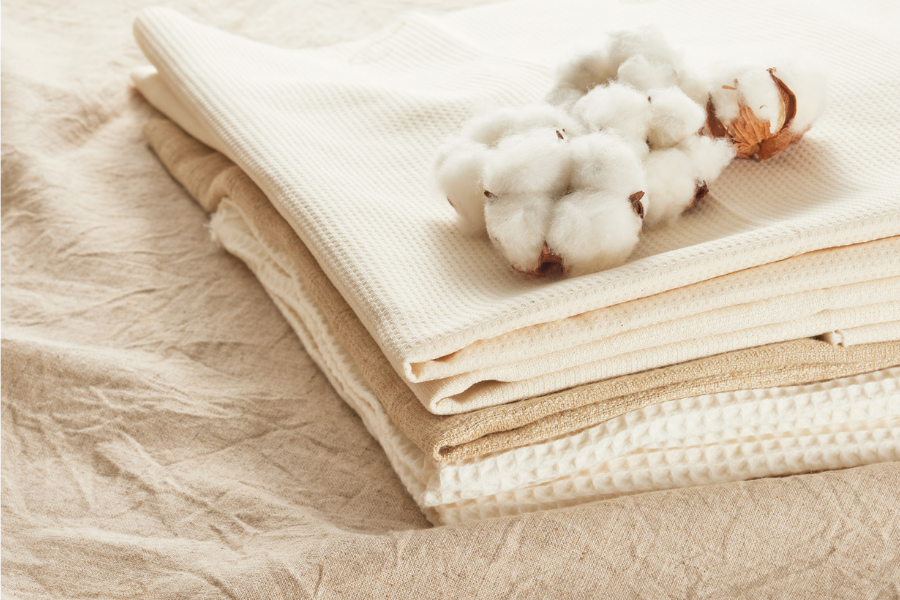
Natural fiber knits offer breathability and comfort but require different handling than synthetic blends. Pure cotton knits may shrink 3-5% in length during the first wash, while cotton-modal blends typically shrink less than 2% (American Cotton Producers Institute). Organic cotton knits often feel stiffer initially but soften with washing and wearing. Synthetic fiber knits like polyester-spandex blends maintain consistent stretch and recovery through multiple wash cycles. However, they may retain odors and feel less breathable than natural alternatives. The Woolmark Company notes that wool knits naturally regulate temperature and resist odor buildup, making them excellent for base layers and activewear fabric. Modal and bamboo knits combine natural fiber benefits with enhanced durability. Modal knits resist shrinking and maintain color vibrancy better than cotton, while bamboo knits offer natural antibacterial properties. Both fibers create silky-smooth knits that work well for undergarments and next-to-skin garments.
Pre-Treatment Requirements for Different Fibers
Natural fiber knits benefit from pre-washing to remove sizing chemicals and prevent shrinkage in finished garments. Wash cotton and linen knits in cool water and air dry flat to prevent excessive stretching. Linen knit fabrics may require steam pressing to restore smooth texture after washing. Synthetic knits typically need less pre-treatment but benefit from a cool rinse to remove manufacturing residues. Avoid fabric softener on spandex-blend knits, as it can break down elastic fibers and reduce recovery over time.
Evaluating Online Retailer Information and Samples
Quality online knit fabric retailers provide comprehensive information including fiber content, stretch percentages, recommended needle types, and care instructions. Look for retailers that offer fabric samples or swatches, allowing you to assess hand feel, drape, and stretch behavior before purchasing yardage. ASTM International textile standards require specific testing methods for stretch and recovery measurements, ensuring consistency across suppliers. Retailers following these standards provide more reliable fabric specifications than those using informal measurements. Professional fabric descriptions include construction details like single jersey, double knit, or interlock. These terms indicate specific knitting methods that affect fabric behavior. Single jersey knits curl at cut edges and work well for casual garments, while double knits lay flat and suit structured pieces. Understanding these construction differences helps predict how fabrics will behave during sewing and wearing.
Questions to Ask Before Purchasing
Contact retailers directly if product descriptions lack essential information. Ask about stretch direction, recovery percentage, and recommended interfacing for structured garments. Inquire about minimum yardage requirements and cutting layout recommendations for pattern pieces. Many online retailers offer specialized cutting services for large orders or specific project requirements. This service proves especially valuable for directional prints or fabrics requiring specific grain alignment.
Frequently Asked Questions
What stretch percentage do I need for fitted garments?
Fitted garments typically require 40-60% stretch with excellent recovery. Activewear and swimwear need higher stretch percentages (60-100%) to accommodate body movement and maintain shape through multiple wear cycles.
How do I determine fabric yardage for knit projects?
Most indie sewing patterns specify yardage requirements for different fabric widths. Knits typically come in 58-60 inch widths, requiring less yardage than quilting cotton projects due to their wider format.
Can I use regular sewing machine needles on knit fabrics?
Ballpoint or stretch needles work better than universal needles for knit fabrics. These specialized needles push between yarn fibers rather than piercing them, reducing runs and improving stitch quality.
Should I pre-wash knit fabrics before sewing?
Pre-wash natural fiber knits to prevent shrinkage and remove sizing chemicals. Wash synthetic knits if you plan to machine wash finished garments. Always air dry flat to prevent stretching during the drying process.
How do I prevent knit fabrics from curling while cutting?
Single jersey knits naturally curl at cut edges. Use pattern weights instead of pins, cut with sharp rotary cutters, and consider using a walking foot or lightweight knit interfacing for stability during construction.
What's the difference between cotton jersey and cotton interlock?
Cotton jersey has a distinct right and wrong side with natural curl, while cotton interlock looks identical on both sides and lies flat. Interlock offers more structure and works well for fitted garments requiring crisp edges.
How do I match stretch requirements with pattern recommendations?
Pattern envelopes specify required stretch percentages and suggest fabric types. Test your chosen fabric by stretching a 4-inch sample to the pattern's specified measurement. If it stretches easily to that point with good recovery, it should work for the pattern.
What causes knit fabrics to lose their stretch over time?
Heat damage, chlorine exposure, and fabric softeners break down elastic fibers in stretch knits. Wash knits in cool water, avoid chlorine bleach, and skip fabric softener to maintain stretch and recovery properties.

Start Your Next Knit Project With Confidence
Selecting the right knit fabric online becomes straightforward when you understand fabric specifications and know what questions to ask. Focus on stretch percentage, recovery rating, and fiber content to match fabrics with your intended projects. Quality retailers provide detailed information and samples that remove guesswork from online fabric shopping. Remember that knit sewing requires different techniques than woven construction, but the results reward your effort with comfortable, well-fitting garments. Whether you're planning a knit cardigan pattern or simple jersey tops, choosing appropriate fabric sets your project up for success from the first stitch. Shop our curated fabric selection at sewingstudio.com or visit us in Asheville.