

indie sewing patterns
Key Takeaways
Indie sewing patterns come from independent designers who prioritize fit, thoughtful instructions, and real-body sizing. Whether you are brand new to garment sewing or a seasoned maker, choosing the right indie pattern means knowing what each designer does well, how their sizing runs, and which fabrics suit their designs best.
- Indie pattern companies like Grainline Studio, True Bias, Closet Core, and Cashmerette each have distinct fit philosophies and size ranges worth understanding before you buy.
- Most indie patterns are sold as PDF downloads, which means you print and tape them at home or send them to a print shop for a large-format copy.
- Sizing in indie patterns does not match RTW sizing, so always measure yourself and compare to the finished garment measurements on the pattern envelope.
- Fabric choice can make or break an indie pattern project — many designers specify drape requirements that matter as much as fiber content.
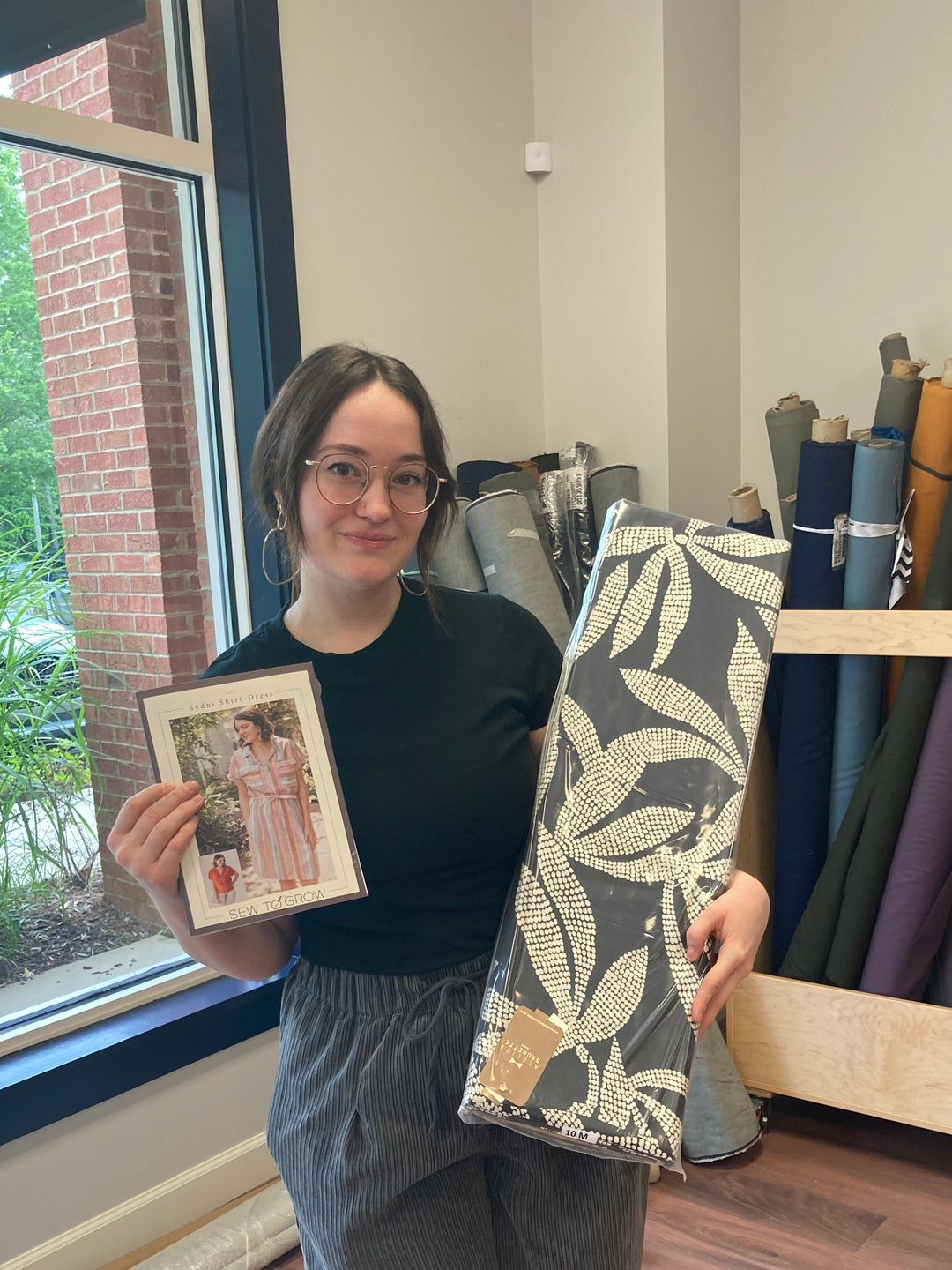
- Our sewing patterns online collection includes patterns from 30+ indie designers, curated to work with the natural-fiber fabrics we carry.
What Makes Indie Sewing Patterns Different From Big-Four Patterns
For decades, home sewists worked almost entirely with patterns from Simplicity, Butterick, McCall's, and Vogue. Those companies still exist and still publish useful patterns. But starting in the early 2010s, a wave of independent designers began selling directly to makers online, and the garment sewing community changed noticeably. Indie pattern designers typically work alone or in very small teams. They test their patterns on a wider range of bodies, write instructions that assume less background knowledge, and release new styles in response to what the sewing community is actually asking for. The result is a catalog that feels more current, more wearable, and more honest about fit than what you find on a big-box notions wall.
Instructions that treat you like an adult
One of the most consistent things sewists say about indie patterns is that the instructions are better. That is not a knock on the big-four format, but indie designers have the freedom to include more photos, explain the why behind each step, and update digital files when sewists report confusion. Closet Core Patterns, for example, includes detailed fitting guides inside many of their patterns and publishes sewalong blog posts that walk you through construction in real time. True Bias writes instructions that are clear enough for intermediate sewists but include enough detail that a confident beginner can follow along with patience.
Size ranges built around real measurements
Cashmerette deserves specific mention here. The brand was built entirely around extended sizing, with most patterns covering cup sizes B through H and body sizes up to a 32W (roughly a US 32). Designer Jenny Rushmore has written publicly about the fitting decisions behind each pattern, and that transparency makes it easier to choose a size with confidence. Most other indie brands now publish size ranges that go to at least a US 26 or 28, compared to the narrower ranges common in big-four patterns even five years ago.
How to Choose the Right Indie Pattern for Your Project
With dozens of indie pattern companies publishing new styles every season, the sheer volume of options can feel like a lot to sort through. The good news is that most indie designers have a recognizable aesthetic and a consistent approach to fit, so once you sew one pattern from a company you get a reliable read on what the rest of their catalog will be like. The tradeoff is that you have to put in a little research upfront, especially if you are buying a PDF without the chance to flip through it at a shop counter.
Start with the finished garment measurements
Every good indie pattern includes finished garment measurements, not just body measurements for size selection. Finished measurements tell you how much ease the designer built in. A Grainline Studio Linden Sweatshirt in a size 14 might have 4 inches of ease at the chest, which tells you it is intended to fit loosely. If you prefer a closer fit, you size down or do a quick Instagram search to see what other sewists are getting from the same size. Relying on RTW size alone is a common beginner mistake that leads to wearable but poorly fitting garments.
Match the pattern to your skill level honestly
Most indie patterns list a skill level, but those ratings are not standardized across companies. A pattern labeled "confident beginner" at Seamwork might require skills that Grainline Studio would call intermediate. Read the technique list inside the pattern preview, not just the label on the cover. If a pattern calls for a centered zip, bound buttonholes, or flat-felled seams, those are skills worth researching before you cut into your best fabric. Sewing Studio offers in-person classes in Asheville that cover exactly these construction techniques if you want hands-on practice before tackling a challenging build.
Fabric Pairing: What Indie Designers Actually Recommend
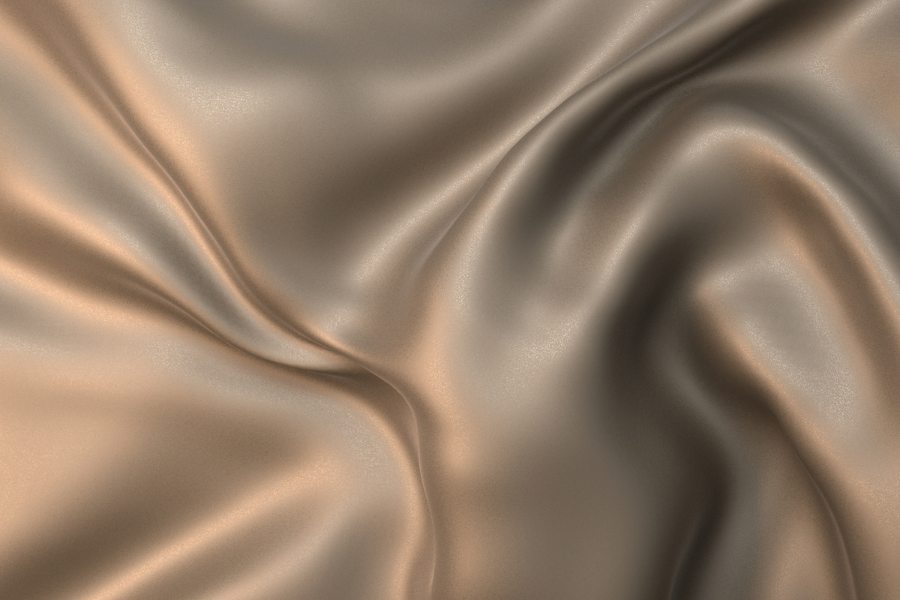
Indie pattern designers are usually specific about the fabrics they intend for their designs, and they frequently list drape, weight, and stretch requirements alongside fiber suggestions. Paying attention to these recommendations is one of the fastest ways to improve your finished results. A top designed for fluid woven fabrics like rayon challis will look stiff and shapeless in a cotton quilting print, even if the construction goes perfectly. The physical behavior of the cloth is doing work that the pattern assumes will happen.
Wovens versus knits: know before you cut
True Bias patterns like the Ogden Cami and the Hudson Pants are specifically drafted for fluid wovens such as rayon, Tencel, or silk charmeuse. Those fabrics drape into the gentle folds that make those silhouettes work. Substituting a cotton lawn can work for the Hudson in some sizes, but the Ogden will lose its signature flow. On the knit side, Closet Core's Sienna Maker Jacket calls for a stable woven canvas or denim, not a stretch fabric, even though the relaxed cut might suggest otherwise. Reading the fabric requirements takes about two minutes and saves you from cutting incorrectly.
Natural fibers and why indie designers favor them
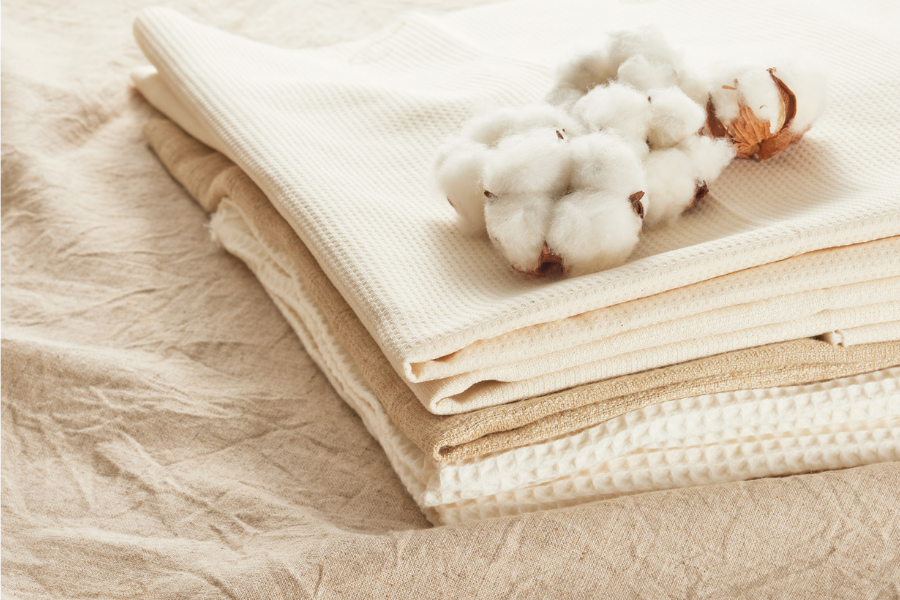
You will notice that most indie pattern designers photograph their samples in natural-fiber fabrics. Cotton, linen, silk, and wool handle pressing well, which matters in tailored construction. They also respond better to hand-stitching and hand finishing, which indie patterns use more often than industrial shortcuts. Modal and rayon blends sit in a middle ground, offering drape closer to silk at a more accessible price point. When we stock fabrics at Sewing Studio, we are thinking specifically about how they will behave in the patterns we carry, which makes pairing recommendations feel less like guesswork.
Frequently Asked Questions
What is the difference between a PDF pattern and a print-at-home pattern?
They are the same thing. PDF patterns are digital files you download after purchase and print yourself on a standard home printer, then tape the pages together. Many sewists prefer to send the PDF to a print shop and pay a few dollars for a large-format copy on a single sheet. This saves taping time and gives you a copy that lies flat on the cutting table.
How do I know which size to cut in an indie pattern?
Measure your full bust, waist, and hip with a soft tape measure, then compare those numbers to the size chart on the pattern, not to your RTW size. If your measurements fall in different sizes across the chart, you may need to grade between sizes, which means blending the cutting lines smoothly between two sizes through the waist or hip area.
Are indie patterns suitable for beginners?
Many are, but check the technique list inside the pattern preview before buying. Brands like Grainline Studio and Merchant and Mills publish genuinely beginner-friendly styles, and both include clear step-by-step instructions with photos. If you are new to garment sewing, starting with an indie pattern from a designer known for strong instructions often gives better results than starting with a big-four pattern.
Can I use quilting cotton for indie garment patterns?
For some patterns yes, for many no. Quilting cotton works well in structured styles like shirt-jackets, tote bags, and some skirts. It is too stiff for draped tops, palazzo pants, or anything that relies on movement and flow. When in doubt, read the fabric requirements on the pattern and do a quick drape test by holding the fabric over your hand and seeing how it falls.
Where can I find honest reviews of indie patterns before buying?
The best places are the sewing community on Instagram using the pattern hashtag (for example #ogdencami or #lindensweatshirt), the Pattern Review website (patternreview.com), and individual maker blogs and Substack newsletters. Reading three or four makes from a pattern, especially from sewists with a similar body type, gives a realistic picture of fit and construction challenges.
Do indie pattern companies offer refunds on PDF patterns?
Policies vary by designer, but most do not offer refunds on digital downloads once the file has been accessed, since the file cannot be returned. Some companies will exchange a pattern or issue store credit if there is a significant error. Always check the shop's policy page before purchasing and reach out to the designer directly if you have a fit or printing issue.
What indie sewing pattern brands does Sewing Studio carry?
We carry patterns from Grainline Studio, Closet Core, True Bias, Cashmerette, Merchant and Mills, Named Clothing, Friday Pattern Company, and more than 30 additional indie designers. Our full selection is available at sewingstudio.com, and our Asheville shop carries physical copies of many popular titles for anyone who wants to flip through before buying.
Shop Indie Patterns Paired With the Right Fabric
Indie sewing patterns are worth the small investment of research upfront. When you match the right designer to your skill level, the right size to your actual measurements, and the right fabric to the drape the pattern requires, the whole project comes together in a way that off-the-rack shopping never quite matches. We have done a lot of that pairing work for you already. Every pattern in our collection was chosen because it works with the natural-fiber fabrics we carry, and our staff in Asheville can walk you through fabric choices in person if you want a second opinion before you cut. Browse our full collection of sewing patterns online at sewingstudio.com, or come visit us in Asheville and leave with everything you need to start your next make.
```