



Fusible Interfacing: The Complete Guide to Types, Application, and When to Use Each
Key Takeaways
Fusible interfacing bonds to fabric with heat and pressure, adding structure and stability to garments without bulk. Choose weight and fiber content that matches your fabric and washing method.
- Fusible interfacing uses heat-activated adhesive to permanently bond with fabric
- Weight should complement your fabric - lightweight for silk, medium for cotton, heavy for outerwear
- Woven interfacing works best with woven fabrics, knit with knits
- Test on fabric scraps first to check adhesion and washability
- Press with dry heat using a press cloth to avoid damaging the adhesive
Understanding Fusible Interfacing Construction and Types
Fusible interfacing consists of a base fabric coated with tiny dots of heat-activated adhesive, typically polyamide resin. When you apply heat and pressure with an iron, these dots melt and create a permanent bond with your fashion fabric. The base can be woven, nonwoven, or knit, each offering different properties for specific applications.
Woven fusible interfacing provides the most stability and works beautifully with crisp cotton fabrics and structured garments. The grain matches your fabric grain, preventing distortion during wear and washing. Nonwoven options offer consistent stretch in all directions, making them ideal for curved areas like necklines and armholes. Knit fusibles stretch with your fabric, perfect for jersey and ponte fabrics where maintaining drape is essential.
Weight categories range from featherweight (suitable for silk georgette) to heavy-duty versions designed for coat fronts and bag construction. Professional pattern makers typically specify interfacing weight in their instructions, but understanding the relationship between fabric weight and interfacing choice helps when adapting patterns or working with different materials than originally intended.

Selecting the Right Weight and Fiber Content
The golden rule for interfacing selection is to choose a weight slightly lighter than your fashion fabric. A medium-weight cotton like Liberty Tana Lawn pairs perfectly with lightweight fusible interfacing, while a heavy wool coating requires medium to heavy interfacing for proper support without stiffness.
Fiber content matters significantly for washability and longevity. Cotton-based fusibles shrink at the same rate as cotton fabrics, preventing puckering after washing. Polyester interfacings work well with synthetic fabrics and offer excellent stability, though they can create heat retention issues in fitted garments. For delicate fabrics like silk charmeuse or rayon challis, choose silk or rayon-based interfacings that share similar care requirements.
Natural Fiber Interfacing Options
Cotton fusible interfacing remains the most versatile choice for home sewists working primarily with natural fiber fabrics. It breathes well, handles frequent washing, and maintains its bond integrity through multiple care cycles. Brands like Pellon and Vilene offer cotton-based options in weights from sheer to heavy.
Synthetic and Specialty Interfacings
Polyester fusibles excel in high-wear areas like shirt collars and cuffs, offering superior durability and crease retention. Hair canvas, while traditionally sewn-in, now comes in fusible versions for tailored jackets. Tricot fusibles work specifically with stretch fabrics, maintaining elasticity while adding subtle structure to areas like activewear waistbands.
Application Techniques for Professional Results
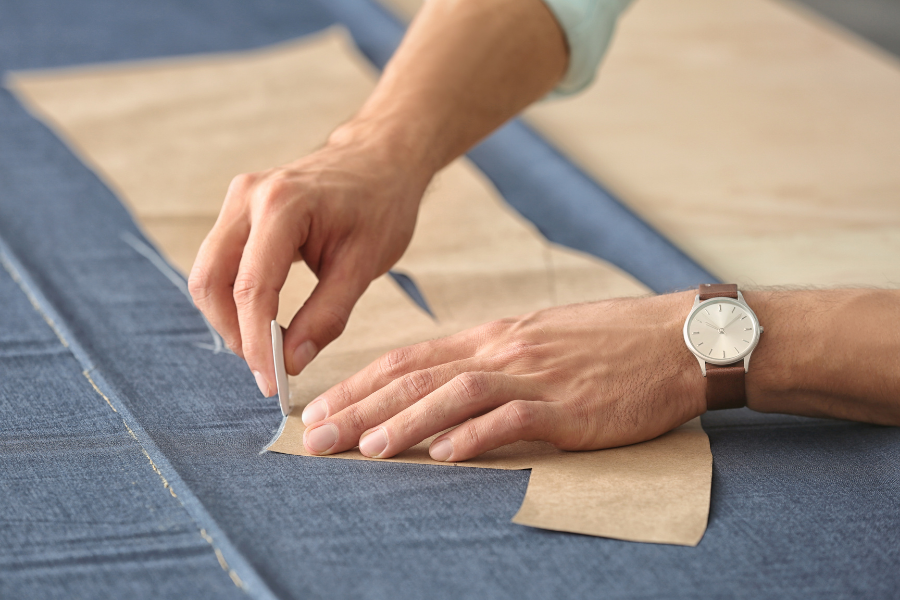
Proper application determines whether your interfacing enhances or compromises your finished garment. Start with a clean, dry iron set to the temperature appropriate for your fashion fabric. Steam can prevent proper adhesion, so ensure your iron is set to dry heat. Cut interfacing pieces using the same pattern pieces as your fabric, but trim seam allowances to reduce bulk in finished seams.
Position the interfacing with adhesive dots facing your fabric's wrong side. Cover with a press cloth to protect both the iron and the interfacing surface. Press firmly for 10-15 seconds, lift the iron, and move to the next section with slight overlap. Avoid sliding the iron, which can shift the interfacing and create bubbles or weak spots.
Allow the fused pieces to cool completely before handling. The bond continues to strengthen as it cools, and moving the fabric too soon can compromise adhesion. Test the bond by gently tugging at a corner - properly fused interfacing should not separate easily from the fabric.
Common Application Mistakes
Using too high heat can melt the adhesive completely, creating a weak bond that fails during washing. Insufficient pressure or time results in patchy adhesion that bubbles or separates. Sewing experts recommend testing on scraps first, especially when working with unfamiliar fabric combinations or new interfacing brands.
Troubleshooting and Professional Tips
When interfacing bubbles or separates after application, the issue usually stems from insufficient heat, pressure, or time during initial fusing. Sometimes fabric preparation causes problems - pre-washing fashion fabric but not interfacing can create shrinkage conflicts. Always treat both materials the same way before fusing.
For delicate fabrics that can't handle high heat, try using a lower temperature with longer pressing time, or consider sew-in interfacing alternatives. Some sewists successfully fuse delicate materials by placing the interfaced piece face-down on the ironing board and pressing from the fashion fabric side, using the board's heat retention to activate the adhesive more gently.
Professional sewists often grade interfacing seam allowances to eliminate bulk, especially in areas like lapel points or collar tips. When working with princess seam dresses or fitted bodices, apply interfacing only to specific pattern pieces rather than entire sections to maintain the garment's intended drape and fit.
Specialty Applications
Bag making requires heavier interfacing weights than garment sewing. Marine and upholstery suppliers offer extra-heavy fusibles designed for structured accessories. When making messenger bags or structured totes, consider layering different interfacing weights for optimal support without excessive stiffness.
Caring for Interfaced Garments
Properly fused interfacing should withstand the same care methods as your fashion fabric. However, high heat in dryers can occasionally cause bond failure, especially with lower-quality interfacings. Air drying preserves the interfacing bond and extends garment life, particularly important for tailored pieces like blazers or structured wool coats.
When pressing interfaced garments during construction or after wearing, always use a press cloth. Direct iron contact can damage the adhesive surface, creating shiny spots that show through lightweight fabrics. Professional garment care facilities understand interfacing requirements, but always inform them about special construction details when dry cleaning tailored pieces.
Textile research shows that quality fusible bonds can last through hundreds of wash cycles when properly applied and cared for. However, interfacing does eventually break down, particularly in high-stress areas like pocket openings or button plackets. Regular inspection helps identify areas needing reinforcement before complete failure occurs.
Frequently Asked Questions
Can I Remove Fusible Interfacing After Application?
Removing fusible interfacing requires patience and heat. Place a damp cloth over the interfaced area and apply steam heat. The moisture helps soften the adhesive, allowing gradual separation. Complete removal is difficult and may leave residue on delicate fabrics.
Should I Pre-Wash Fusible Interfacing?
Always pre-treat interfacing the same way as your fashion fabric. If you pre-wash your cotton fabric, pre-wash the cotton interfacing too. This prevents differential shrinkage that causes puckering after the first wash of your finished garment.
What Temperature Should I Use for Different Fabrics?
Fabric care labels provide the best guidance. Cotton and linen can handle high heat, while synthetics and delicate natural fibers need medium to low settings. Always test on scraps when uncertain about temperature requirements.
Why Does My Interfacing Create Bubbles?
Bubbling occurs from uneven heat application, insufficient pressure, or moisture in the fabric. Ensure your iron is set to dry heat, press firmly without sliding, and work in overlapping sections for even coverage throughout the interfaced area.
Can I Use Fusible Interfacing on Stretch Fabrics?
Knit or tricot fusible interfacings work specifically with stretch fabrics. Regular woven interfacing eliminates stretch and creates pulling. Choose interfacing that stretches in the same direction as your fabric for best results with knit garments.
How Much Interfacing Do I Need for My Project?
Pattern instructions specify interfacing requirements for each piece. Generally, you need interfacing for collar pieces, cuffs, button bands, pocket welts, and waistbands. Purchase slightly more than calculated to allow for testing and potential mistakes during application.
Does Interfacing Affect Fabric Drape?
Properly chosen interfacing should support without eliminating drape. Lightweight interfacing maintains natural fabric movement while adding stability. Heavy interfacing creates structure but reduces drape significantly, which is appropriate for tailored pieces but wrong for flowing skirts or soft blouses.
Can I Layer Multiple Types of Interfacing?
Professional tailors often layer different interfacing weights for custom support levels. Apply the heaviest layer first, then add lighter layers as needed. This technique works particularly well for structured jacket fronts requiring both stability and shape retention.

Start Your Next Project with Confidence
Understanding fusible interfacing opens up new possibilities for garment construction and helps you achieve professional-looking results in your home sewing projects. Whether you're working on a crisp cotton shirt that needs structured collar support or a flowing silk blouse requiring subtle stabilization, the right interfacing choice makes the difference between amateur and polished finished pieces.
The investment in quality interfacing pays off in garments that maintain their shape, wear well, and look professionally constructed. Take time to test different options with your favorite fabric types, and soon you'll develop an intuitive sense for which interfacing works best with each project. Shop our curated fabric selection at sewingstudio.com or visit us in Asheville.