



dress sewing patterns
Key Takeaways
Choosing the right dress sewing pattern depends on your skill level, body shape, fabric choice, and intended occasions. Start with simple styles before progressing to complex designs with multiple fitting points.
- Begin with patterns from established indie designers who provide clear instructions and good technical support
- Match pattern complexity to your current sewing skills rather than jumping ahead to advanced techniques
- Consider your lifestyle and wardrobe needs when selecting dress styles and silhouettes
- Read pattern reviews and check finished garment photos before purchasing
- Invest time in proper fitting adjustments for professional-looking results
Understanding Dress Pattern Categories and Styles
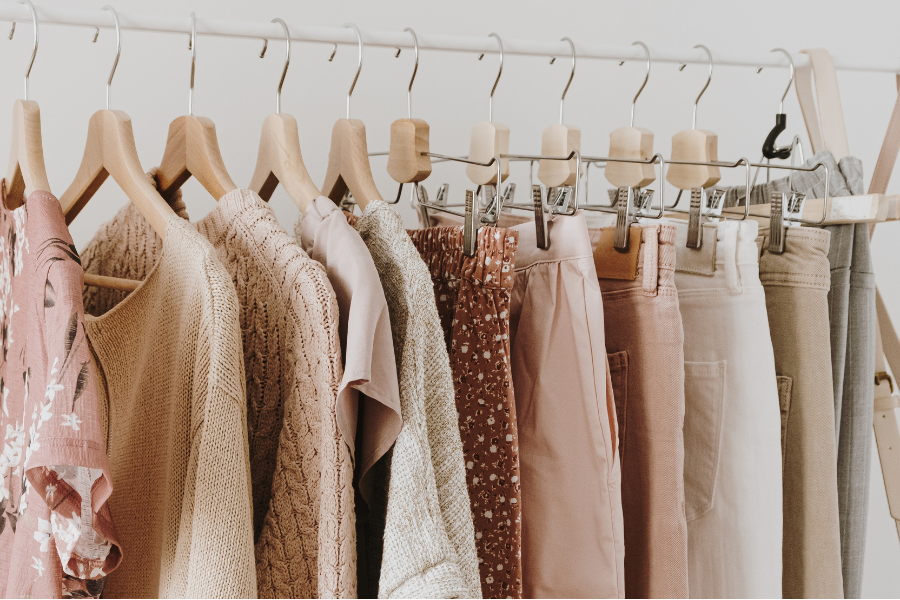
Dress sewing patterns fall into several distinct categories that serve different purposes in your handmade wardrobe. Understanding these categories helps you choose patterns that match both your sewing abilities and lifestyle needs. The most common types include wrap dresses, fit-and-flare styles, shift dresses, maxi dresses, and structured bodice designs. Wrap dresses offer forgiveness in fitting since the wrap closure adjusts to your body. The Grainline Studio Portlands Dress exemplifies this category with its comfortable jersey construction and versatile styling options. Fit-and-flare patterns like the Closet Core Charlie Caftan provide a fitted bodice with a flowing skirt, flattering many body types while remaining relatively simple to construct. Shift dresses require more precision in fitting since they lack adjustable elements, but they work beautifully in crisp linens and structured cottons. Maxi dresses offer drama and coverage, though they require more fabric and attention to hemming. Structured bodice designs with features like princess seams, darts, and fitted sleeves demand intermediate to advanced skills but create the most polished, tailored appearance.Selecting Patterns Based on Your Skill Level
Your current sewing abilities should guide pattern selection more than the final garment's appearance. Beginner sewists often feel tempted by complex designs but achieve better results starting with simpler constructions. The Seamwork patterns offer excellent beginner-friendly options with detailed instructions and minimal fitting challenges. Novice sewists should look for patterns with straight seams, minimal darts, and simple necklines. Avoid designs with set-in sleeves, multiple pattern pieces, or complex closures until you master basic techniques. The True Bias Southport Dress provides an ideal starting point with its relaxed fit and straightforward construction.Intermediate Pattern Features
Once comfortable with basic dress construction, intermediate sewists can tackle patterns featuring fitted bodices, simple sleeves, and invisible zippers. Look for designs with 8-12 pattern pieces rather than the 4-6 pieces typical of beginner patterns. The Cashmerette Upton Dress bridges this skill gap nicely with its flattering fit but manageable construction techniques.Advanced Construction Challenges
Advanced sewists can handle patterns with princess seams, complex sleeve attachments, lined bodices, and intricate neckline treatments. These patterns often include 15-20 pieces and require precise fitting adjustments. The investment in time and skill pays off with professional-quality results that rival ready-to-wear garments.Fabric Selection for Different Dress Patterns
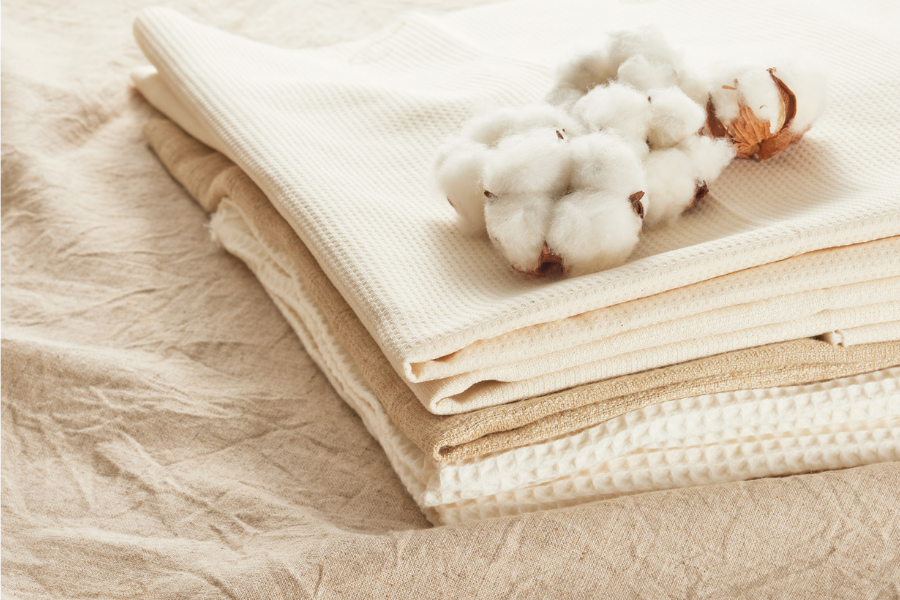
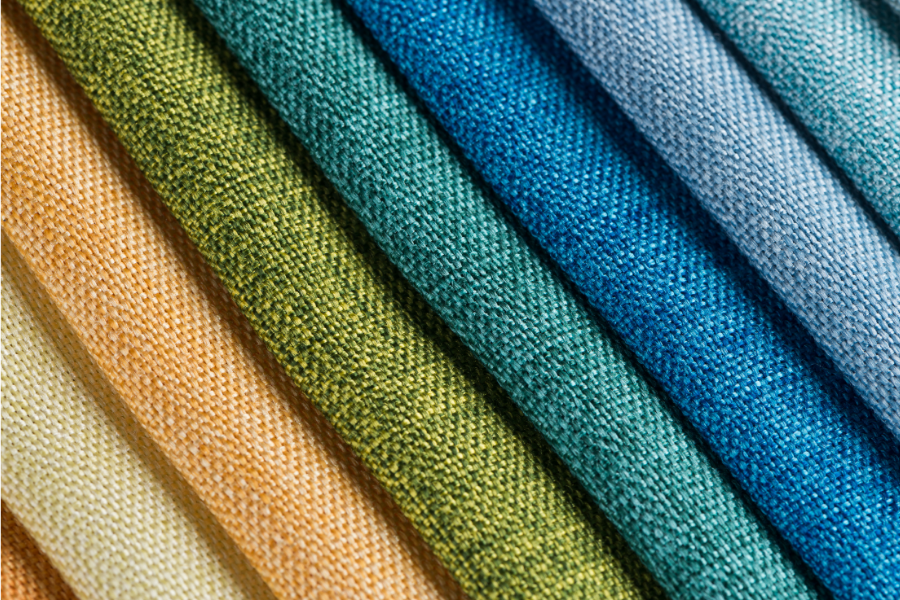
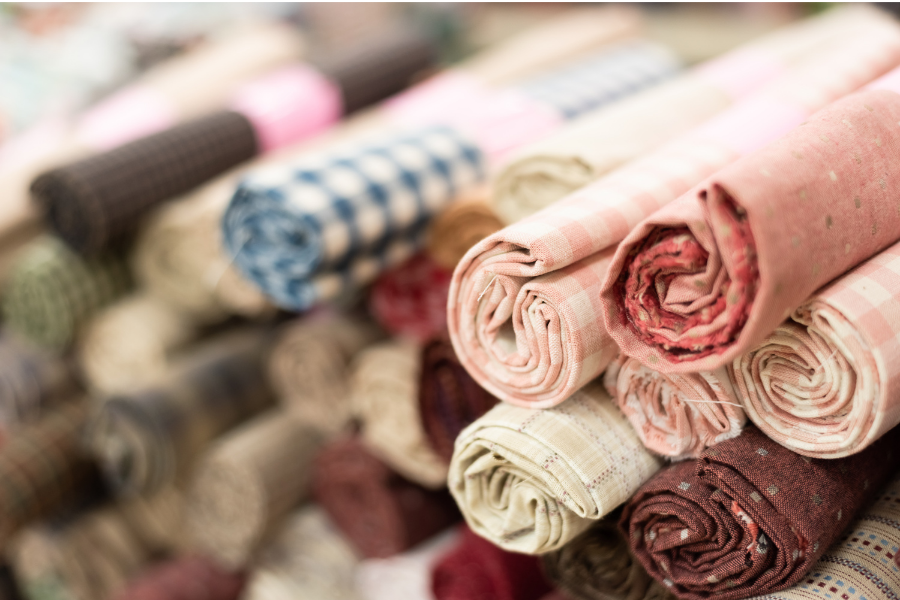
Pattern success depends heavily on choosing appropriate fabrics that work with the design's intended drape and structure. Pattern envelopes and instruction sheets specify recommended fabric types for good reason. Ignoring these suggestions often leads to disappointing results, even with perfect construction techniques. Woven cotton fabrics work beautifully for structured dress patterns requiring crisp lines and shape retention. Liberty cotton tana lawn creates stunning shirt dresses and fit-and-flare styles. Medium-weight cottons like quilting cotton suit casual day dresses but may appear too stiff for flowing designs. Jersey knits excel in wrap dresses and fitted styles that rely on fabric stretch for comfortable wear. The fabric's recovery properties matter as much as the stretch percentage. Poor recovery leads to stretched-out garments that lose their shape after wearing.Seasonal Fabric Considerations
Consider your local climate and the dress's intended season when selecting fabrics. Linen blends create breathable summer dresses but wrinkle easily. Silk crepe de chine drapes beautifully for special occasion dresses but requires careful handling and finishing techniques. Wool jersey works wonderfully for winter dresses but needs appropriate lining to prevent itchiness against skin. Fabric weight affects drape significantly, so lightweight fabrics may require pattern modifications when substituting for recommended medium-weight options.Fitting Considerations and Adjustments
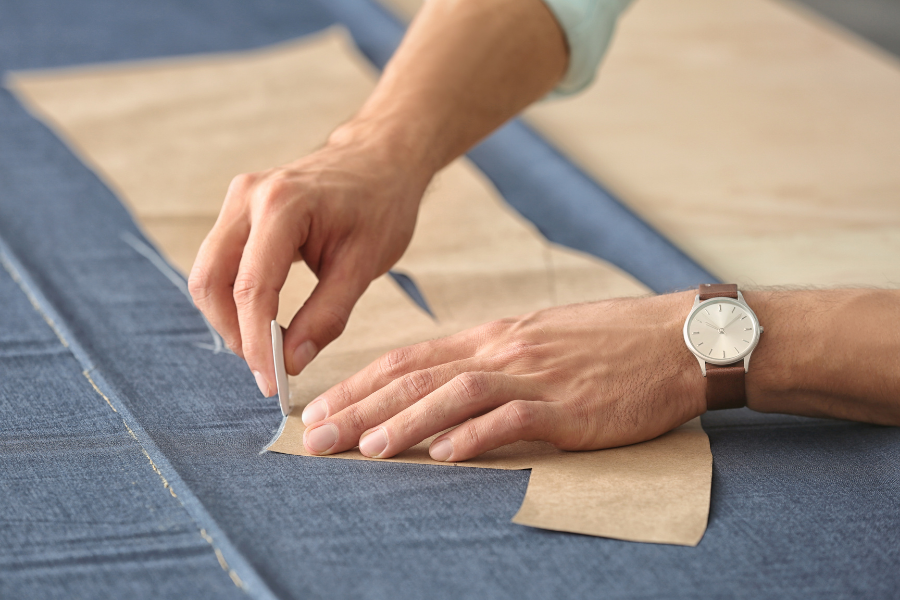
Successful dress sewing requires understanding your body measurements and common fitting adjustments. Most sewists need to modify patterns to achieve proper fit, especially in the bust, waist, and hip areas. Taking accurate measurements before starting saves time and fabric later. The standard measurement points for dress patterns include bust, waist, and hip circumferences, plus shoulder width and back length. Compare these measurements to the pattern's finished garment measurements, not the sizing chart, since ease varies between designs. Common adjustments include lengthening or shortening the bodice, adding or removing bust darts, and adjusting the waist placement. The fitting process becomes easier with practice, but beginners should start with patterns offering multiple sizes or adjustment guidelines.Working with Different Body Types
Different dress silhouettes flatter various body shapes, though personal preference ultimately matters most. A-line dresses suit most figures by creating a balanced silhouette. Empire waist styles work well for those wanting to minimize the midsection, while fit-and-flare patterns highlight the waist. Understanding which adjustments your body typically requires helps in pattern selection. If you consistently need full bust adjustments, look for patterns with princess seams or bust darts that accommodate this modification easily.Frequently Asked Questions
What Makes a Good Beginner Dress Pattern?
Look for patterns with minimal pattern pieces, straight seams, and relaxed fitting. Avoid set-in sleeves, fitted bodices, and complex closures. Wrap dresses and simple shift styles work well for first dress projects.
How Much Fabric Do I Need for a Dress?
Fabric requirements vary by pattern size and style. Most knee-length dresses need 2-3 yards of 45-inch fabric or 1.5-2.5 yards of 60-inch fabric. Check the pattern envelope for specific yardage based on your size.
Can I Use Knit Fabric for Woven Dress Patterns?
Generally no, unless the pattern specifically allows it. Knit fabrics behave differently than wovens and may result in poor fit or construction issues. Choose patterns designed for your fabric type.
Should I Make a Muslin Before Cutting My Fashion Fabric?
Yes, especially for fitted dress patterns or expensive fabrics. A muslin helps identify fitting issues and construction challenges before cutting your final fabric. Use inexpensive cotton or old sheets for test garments.
How Do I Choose Between Different Pattern Designers?
Research designers' reputations for instruction clarity and technical accuracy. Read pattern reviews on PatternReview.com and check finished projects on social media. Each designer has their own style and fit preferences.
What Tools Do I Need for Dress Construction?
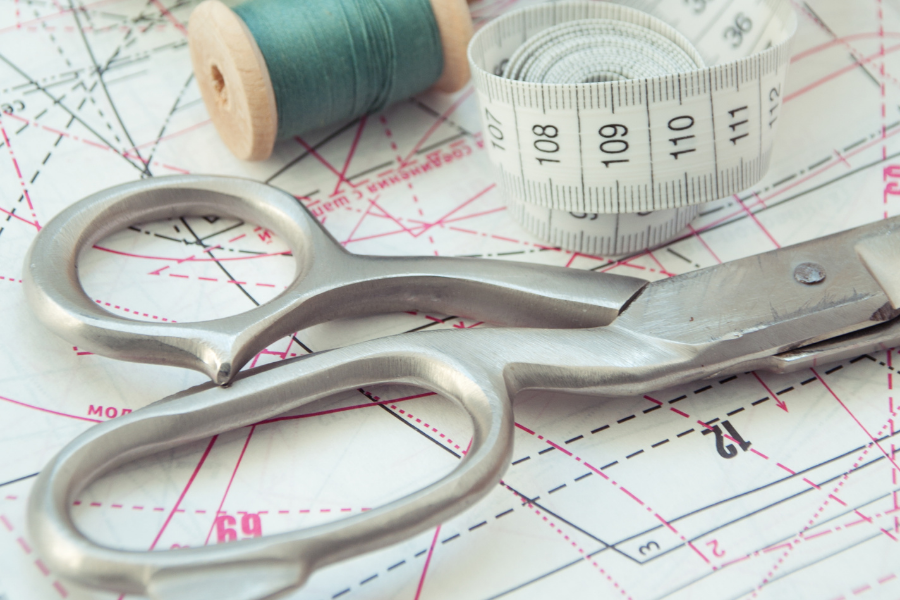
Essential tools include fabric scissors, seam ripper, measuring tape, pins, marking tools, and an iron. A serger helps with knit fabrics and professional finishing, but a regular sewing machine handles most dress construction needs.
How Long Does It Take to Sew a Dress?
Simple dress patterns take 4-8 hours for experienced sewists, while complex designs may require 15-20 hours. Factor in additional time for fitting adjustments, pressing, and finishing details like hems and closures.
Can I Mix Pattern Sizes for Better Fit?
Yes, many patterns include guidelines for grading between sizes. This technique helps accommodate different proportions, such as a larger bust with smaller hips. Blend the cutting lines smoothly between size points.