


Deconstructing Garments: Salvaging Usable Materials
Key Takeaways
Deconstructing old garments is one of the most practical ways to build your fabric stash without spending a cent. With a seam ripper, some patience, and a plan, you can recover usable yardage, quality hardware, and even elastic from clothes that would otherwise end up in a landfill. The biggest wins come from well-made garments in natural fibers — think wool coats, linen shirts, and cotton denim.
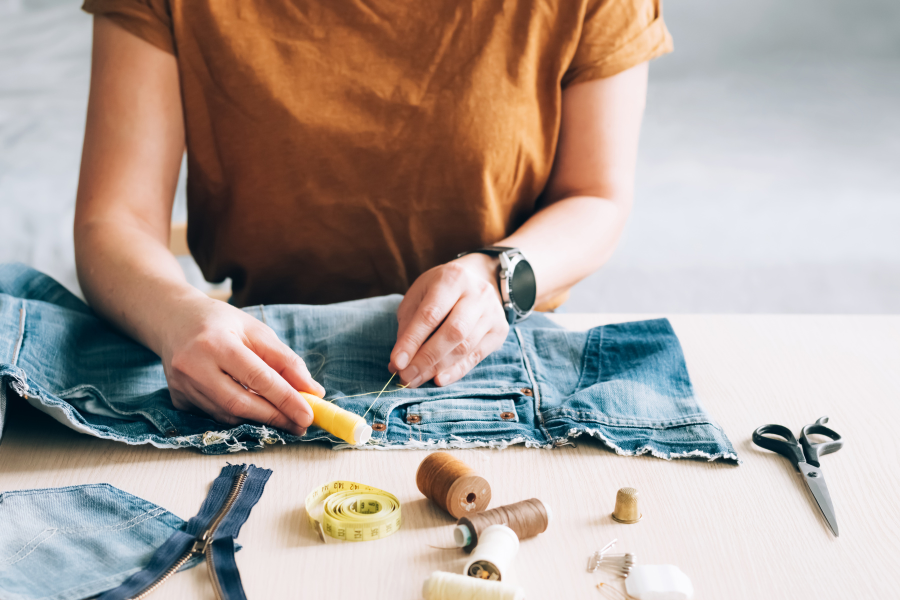
- Seam rippers and small scissors are your primary deconstruction tools — a rotary cutter helps press and flatten recovered pieces.
- Natural fiber garments (wool, linen, cotton, silk) are worth the effort; most synthetics are not.
- Hardware like buttons, zippers, and snaps can outlast the garment by decades and are worth removing before anything else.
- Pre-washing recovered fabric before cutting into it removes any residual fabric softener or sizing that affects drape and sewing behavior.
- Smaller recovered pieces work beautifully as pocket bags, facings, interfacing, and patchwork blocks.
Why Deconstruction Is Worth Your Time
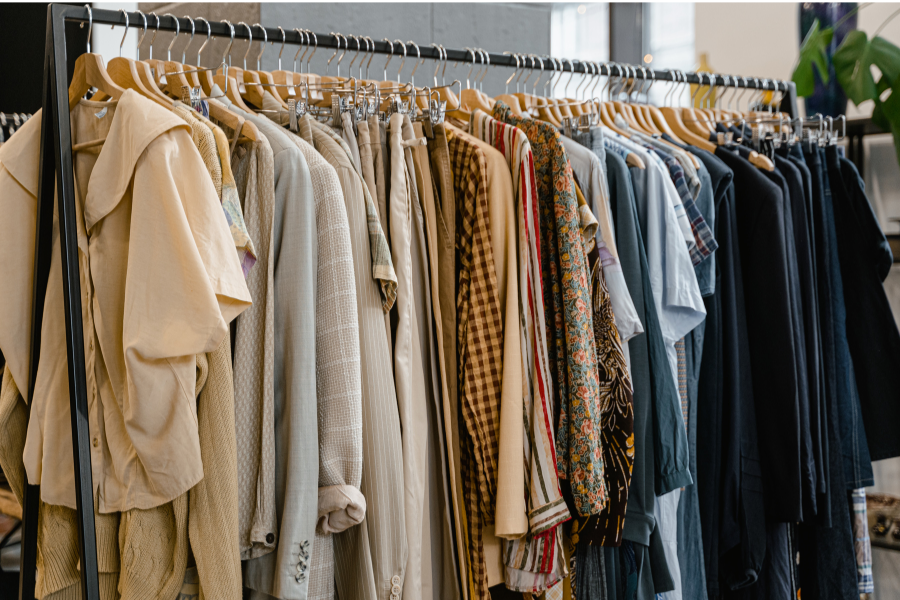
Most experienced sewists already know that thrift stores are full of well-made garments hiding underneath outdated silhouettes. A boxy linen blazer from 1994 might contain nearly a yard and a half of beautiful mid-weight linen once you pull it apart. A men's wool overcoat from a quality manufacturer can yield enough fabric for a child's coat, a pair of trousers, or a lined tote bag. Deconstructing garments is not a beginner shortcut — it takes real time and some planning. But for makers who care about where their materials come from, it is one of the most satisfying and genuinely sustainable sewing asheville makers are practicing right now. You end up with materials that have already proven they can hold up, and that means something when you are investing hours into a handmade piece.
Which Garments Are Actually Worth Deconstructing
Not every thrift store find is worth your Saturday afternoon. The quality of the original construction and the fiber content are the two factors that matter most. A fast-fashion blouse made from 100% polyester will give you fabric that is difficult to press, prone to melting under an iron, and frankly not pleasant to sew with. A silk blouse from a department store label, on the other hand, can yield beautiful charmeuse or crepe that cuts and drapes just as well as anything from a fabric shop.
Fiber Content First
Before you buy anything to deconstruct, check the care label. Natural fibers — wool, linen, cotton, silk, and modal — are worth the effort. Wool coats and blazers are the single best category because they typically contain large flat pieces separated by simple seams. Linen trousers and shirts run a close second. Silk blouses are worth it but require more careful handling during deconstruction because the weave can shift when you cut. Avoid anything labeled polyester, acrylic, or nylon unless you specifically need those properties. According to the Ellen MacArthur Foundation, less than 1% of clothing is currently recycled into new fiber, which means recovering quality natural fiber fabric from secondhand garments is genuinely meaningful, not just a craft trend.
Construction Quality Signals
Turn the garment inside out before you commit. Look for flat-felled seams, bound buttonholes, and a full lining. These are signs that the original manufacturer used more fabric and took more care, which usually means there is more recoverable material inside. Heavily serged seams with lots of thread buildup can be harder to remove cleanly. Fused interfacing bonded directly to the fashion fabric is the biggest complication — if the interfacing will not separate cleanly, that section of the garment is probably not recoverable as fashion fabric, though it can still be used as sewing interfacing in your own projects.
A Practical Deconstruction Sequence
Working through a garment in the right order saves time and prevents accidental damage to the pieces you actually want. Start with hardware, then lining, then the main fashion fabric. This sequence matters because removing the lining first gives you better access to the seams joining the fashion fabric pieces, and removing buttons before anything else means you will not accidentally cut a thread that sends a button skittering across your cutting table.
Step One: Remove All Hardware
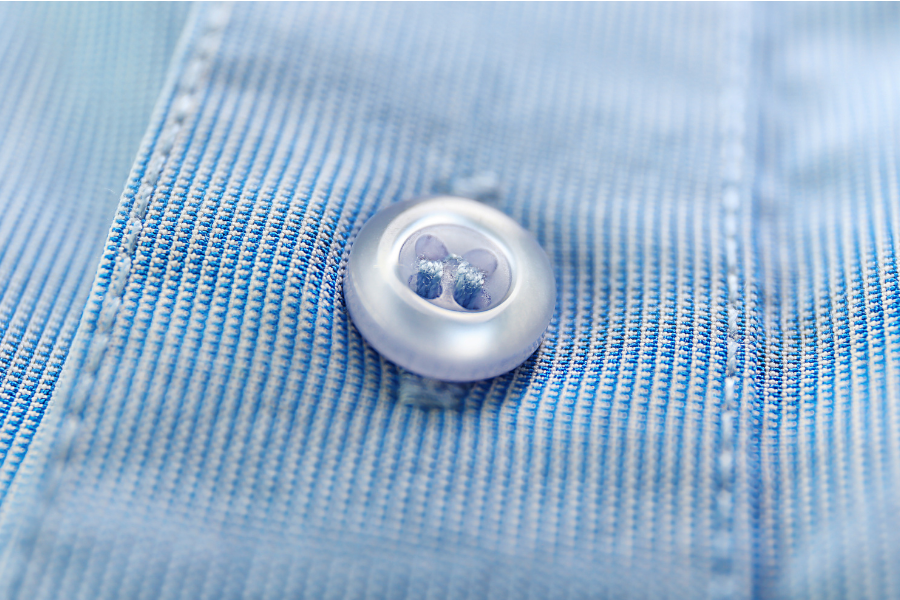
Pull every button, snap, hook-and-eye closure, and decorative trim before you touch a seam. Use small embroidery scissors to clip the threads on the back of each button. For metal snaps and grommets, a pair of pliers and a seam ripper working together can pop most of them free without damaging the fabric around them. Zippers are worth removing carefully too — a metal separating zipper from a vintage wool coat can cost $12 to $18 new, and a 20-inch zipper in good working condition is genuinely useful. Store recovered hardware in a small jar or compartmentalized box so it does not get lost.
Step Two: Remove the Lining
Most lined garments attach the lining at the hem and the facing edges. Work around those attachment points with a seam ripper rather than scissors, and the lining will usually come away in large pieces. Polyester lining is fine for re-use as pocket bags or slippery underlining. Silk lining from a quality coat is worth keeping for its own projects. Once the lining is out, you can see all the interior seams clearly and work on the fashion fabric without the lining getting in your way.
Step Three: Open the Seams
Use a seam ripper for most seams rather than scissors, especially on woven fabrics where cut threads can fray back into the piece and reduce your usable width. Work slowly on linen and loosely woven wool — the weave structure can distort if you pull too aggressively. Once the pieces are separated, press them with a hot iron and a damp press cloth to relax any permanent fold lines from seam allowances. Most fold lines will press out completely, though a deep crease in silk charmeuse can be stubborn.
Storing and Using What You Recover
Recovered fabric pieces rarely come out as full flat yardage the way a bolt does. You will more often end up with shaped panels — a front bodice, two back pieces, a pair of trouser legs. The key is measuring what you actually have before you start dreaming about what to make with it. Lay each piece flat, measure the usable area, and write that down. Pieces under half a yard are still useful for pockets, patch pocket flaps, waistbands, and facings. Larger panels might support a small pattern piece entirely. Many makers who practice sustainable sewing asheville style keep a dedicated bin for recovered fabric, sorted by fiber type, so it is easy to pull from when a project calls for a small accent piece. Pre-wash everything before it goes into storage so it is ready to cut when inspiration strikes. Use the fiber content label to determine wash temperature — wool recovered from a blazer that has only ever been dry-cleaned may shrink if you wash it aggressively, so start with a gentle cold soak and lay flat to dry.
Frequently Asked Questions
What is the best type of garment to deconstruct for a beginner?
Start with a men's dress shirt in cotton or linen. The construction is straightforward, the seams are usually simple, and a large shirt yields a surprising amount of fabric. The collar and cuffs are interfaced and less useful, but the body and sleeves give you clean flat-woven cotton that is easy to press and work with in your next project.
Can I use recovered fabric for a pattern that requires specific yardage?
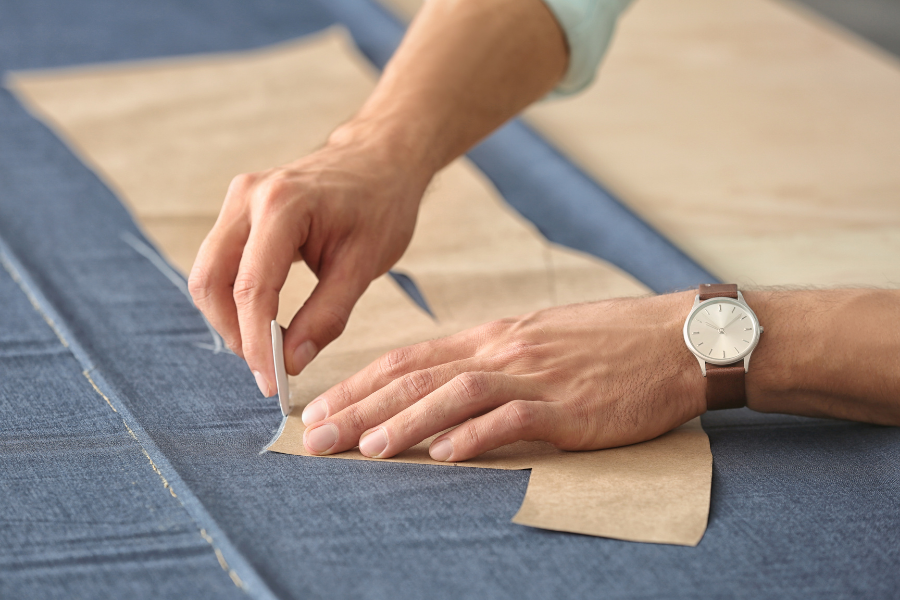
Yes, but you need to measure carefully first and do a modified pattern layout. Treat each recovered piece like an irregularly shaped fabric panel and trace your pattern pieces onto the fabric before cutting to confirm they fit. Allow extra time for layout because you will not have the luxury of a full open width to work across.
How do I remove fused interfacing without ruining the fashion fabric?
Place a damp press cloth over the fused area and apply a hot iron. The steam can sometimes reactivate the adhesive enough to allow the layers to separate. Work slowly and peel gently. If the interfacing tears away but leaves residue, that area of the fabric is probably not recoverable as fashion fabric. Use it instead as a sew-in interfacing in a future project where it will be hidden.
Is it worth deconstructing fast fashion garments?
Rarely. The fiber content is usually synthetic, the construction is designed for speed rather than quality, and the seam allowances are often very narrow. The time you spend deconstructing a fast fashion garment rarely returns enough usable material to justify the effort. Your time is genuinely better spent on thrifted garments from established brands or vintage pieces with real construction quality.
What should I do with pieces too small to sew into garments?
Small recovered pieces work well as patchwork blocks, quilt backing accents, and stuffing for pincushions. Wool scraps can be felted by agitating them in hot water and then used as applique or bag bases. Even the smallest linen or cotton pieces can be cut into strips and braided for rug-making. Nothing needs to go to waste.
How should I store recovered buttons and hardware?
Small glass jars with lids work well — you can see the contents at a glance without opening anything. Sort by type: buttons together, zippers rolled up and clipped, snaps and hooks in a separate container. Label with the fiber content of the source garment if the buttons are meant to be matched with a specific recovered fabric later.
Does recovered fabric behave differently than new fabric?
Sometimes. Older fabric has often been washed many times and will be softer and more relaxed than new yardage. This can actually be a benefit with linen, which softens beautifully over time. Wool recovered from a tailored garment will have been pressed and steamed repeatedly and may have less ease of recovery under a new iron. Always test a small piece before cutting into your main panels.
Start Deconstructing and Shop What You Cannot Salvage
Salvaging fabric from secondhand garments is one of the most practical sewing skills you can build. It sharpens your eye for construction quality, deepens your understanding of how garments are put together, and fills your stash with materials that have real character. That said, recovered fabric has limits. When a project calls for a specific weight, weave, or width that your salvage stash cannot supply, we keep a curated selection of natural fiber fabrics ready for you at sewingstudio.com or in our Asheville shop, where we are always happy to help you match what you have salvaged with what you still need.