


dashiki fabric material
Key Takeaways
Dashiki fabric is a West African textile traditionally made from cotton or cotton-blend cloth printed with bold, symmetrical patterns. Understanding the fiber content, print style, and construction quality helps you choose the right yardage for garments, accessories, or home goods. The fabric behaves differently depending on whether it is woven, knit, or backed, so knowing what you are working with before you cut saves a lot of frustration.
- Authentic dashiki fabric is typically a lightweight woven cotton or cotton-poly blend with a smooth hand and vivid screen-printed or wax-resist pattern.
- The repeat size and placement of the iconic V-neck panel (the placket design) matters enormously when cutting garments, so buy extra yardage.
- Cotton and cotton-blend dashiki fabrics press well, making them friendly for sewists who want clean seams and structured garments.
- Colorfast testing before washing is strongly recommended because the dye processes used in some African print fabrics can bleed in hot water.
- Dashiki prints pair well with solid-color fabrics like cotton lawn or quilting cotton for contrast yodage and facings.
What Dashiki Fabric Actually Is (and Why It Matters for Your Project)
Dashiki fabric refers to the printed cloth used to make the dashiki, a loose-fitting garment that originated in West Africa and became a global symbol of African cultural pride, especially during the 1960s and 1970s Black Power movement in the United States. The word itself traces back to the Yoruba and Hausa languages, and the garment style varies by region. What ties it all together is the fabric: a lightweight, brightly colored textile printed with bold geometric and floral patterns, usually featuring a distinctive embroidered or printed V-neck panel called an itinerant placket. If you are shopping for dashiki fabric to sew your own garment, knowing the fiber content and print method helps you predict how it will behave on your machine.
Fiber Content: What Most Dashiki Fabric Is Actually Made Of
Most commercially available dashiki fabric sold by the yard is a woven cotton or cotton-polyester blend, typically in the 3 to 5 ounce per square yard range. Pure cotton versions drape softly, breathe well, and press beautifully with a medium-hot iron. The cotton-poly blends are more wrinkle-resistant but can feel slightly stiffer and may not ease as smoothly around curved seams. You will also find rayon versions, which drape more fluidly and work beautifully for flowy tops or wide-leg pants but require more care in handling because rayon shifts on the cutting table.
How to Check What You Have
If you buy dashiki fabric from a local market or online retailer without clear labeling, a simple burn test tells you a lot. Cotton burns cleanly and smells like paper. Polyester melts and smells chemical. Rayon burns quickly and leaves a soft ash. The University of Kentucky College of Agriculture has a clear burn-test reference guide that breaks down fiber identification by behavior, smell, and ash residue. Running that quick test before you start sewing saves you from choosing the wrong interfacing or pressing temperature.
Print Methods: Wax Print vs. Screen Print vs. Digital Print
Not all dashiki fabric uses the same printing process, and the method affects both the look and the care requirements. Traditional West African wax print fabric, often called Dutch wax or Ankara, uses a batik-like wax-resist process that creates characteristic crinkle lines and a slightly raised texture. The color appears on both sides of the cloth, which is a reliable authenticity signal. Screen-printed dashiki fabric is flatter, often printed only on one face, and tends to be less expensive. Digital print versions are the newest category and offer the sharpest color detail, but the hand can feel slightly stiff because of the ink load on the surface fibers.
Why the Print Method Changes Your Sewing Plan
Wax print fabric often has a subtle directionality because of how the wax crazes across the surface. That means you may need to treat it like a one-way print and cut all your pattern pieces in the same direction, which adds yardage. Screen-printed dashiki cloth is usually easier to work with because the print is more consistent, but check the back of the fabric before you assume you can use it as a reversible binding or facing. Digital prints rarely work well as facings because the stiff hand does not fold and press as crisply as woven cotton without the heavy ink coating.
Pattern Placement and Yardage: The Part Most Sewists Underestimate
Dashiki fabric patterns are bold, often featuring large-scale medallion or geometric repeats that demand careful placement. The most iconic feature is the embroidered or printed V-neck panel, which in traditional dashikis is centered on the front bodice. If you are sewing a top or dress using a commercial pattern like the Grainline Studio Lark Tee or a True Bias Ogden Cami, the print repeat can significantly affect how much yardage you need. A repeat of 12 inches or more means you may need an additional half yard to a full yard beyond the pattern envelope recommendation just to match at the side seams or center the front motif.
A Practical Cutting Strategy
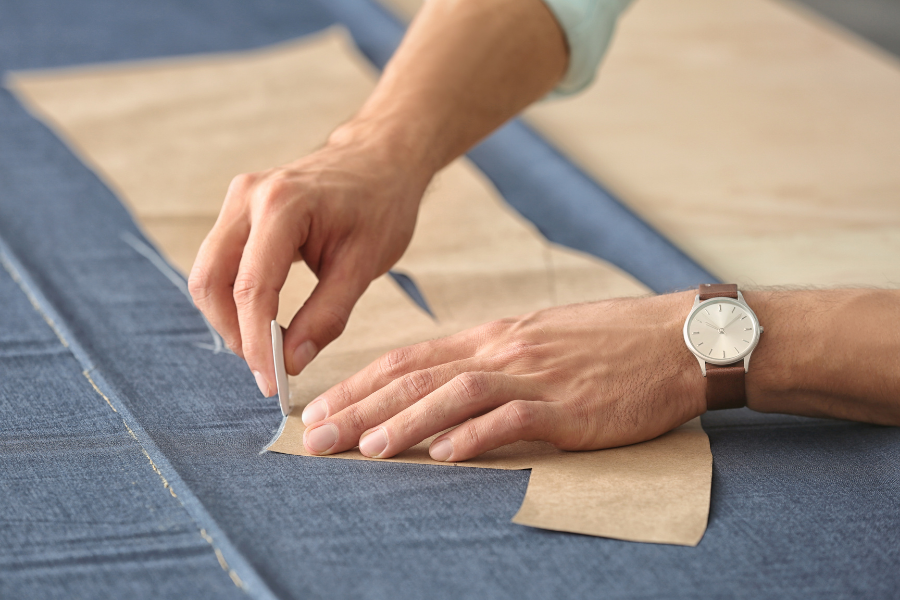
Lay your pattern pieces on the fabric before you cut anything. Mark where the central V-neck motif lands relative to your neckline. Use pattern weights rather than pins so you can slide pieces around without distorting the fabric. Cut one piece at a time rather than folding the cloth and cutting double layers, because the slippery surface of many dashiki fabrics shifts when folded. This is slower, but it keeps your pattern placement intentional rather than accidental. For more on working with bold african print fabric, we have a full guide that covers Ankara, kente-inspired prints, and other West African textiles.
Washing, Pressing, and Care for Dashiki Fabric
Before you cut a single piece, prewash your dashiki fabric. Most wax print and screen-printed cotton dashiki cloth shrinks between 3 and 5 percent in the first wash, which is enough to throw off a fitted garment if you skip this step. Wash in cool to warm water with a gentle detergent, and wash dark or heavily saturated colors separately the first two times. Some African print fabrics, particularly deeply saturated reds and purples, bleed noticeably in warm water even after multiple washes. Adding a half cup of white vinegar to the first rinse cycle can help set the dye, though it is not a guaranteed fix for all dye types.
Pressing Tips for Bold Prints
Press dashiki fabric from the wrong side to protect the print surface, especially on screen-printed and digital-print versions where the ink sits on top of the fibers. Use a pressing cloth if you must press from the right side. Cotton dashiki fabric responds well to steam and a medium-high iron setting. Rayon dashiki cloth needs a lower heat and less steam pressure to avoid stretching the fabric along the bias. Always let the fabric cool completely before moving it off the ironing board, because heat-set fibers can distort if you handle them while they are still warm.
Frequently Asked Questions
Is dashiki fabric the same as Ankara fabric?
Not exactly, though there is overlap. Ankara is a specific type of wax-resist printed cotton fabric made in West Africa or in factories using West African-style prints, often by Dutch and Ghanaian manufacturers. Dashiki fabric can be Ankara, but it can also be a simpler screen-printed cotton or rayon. The dashiki is the garment style; the fabric is the material it is made from, and both terms get used loosely in retail settings.
Can I use dashiki fabric for quilting?
Yes, with some adjustments. Quilting works best with tightly woven, stable cotton, and many dashiki fabrics qualify. The main challenge is the large-scale print, which can look busy or get lost in small quilt blocks. Fat-quarter cuts work well for larger blocks like 10-inch or 12-inch squares. Pair dashiki prints with solid cotton to let the pattern breathe visually rather than stacking prints against each other.
What sewing machine needle works best for dashiki fabric?
A universal needle in size 80/12 works for most woven cotton dashiki fabrics. If you are sewing a rayon dashiki cloth, drop to a 70/10 microtex needle to reduce snags on the more delicate fiber. Change your needle after every eight to ten hours of sewing time regardless, because a dull needle causes skipped stitches and can pull threads in the print surface on heavily inked fabric.
How much yardage do I need for a basic dashiki top?
A simple oversized dashiki top for an adult typically requires 2 to 2.5 yards of 44-inch-wide fabric, but pattern repeat can push that to 3 yards. Check the print repeat measurement before you order, and if the repeat is larger than 9 inches, add a full yard to whatever the pattern envelope says. It is always better to have a fat quarter left over than to be short at the sleeve hem.
Does dashiki fabric fray a lot?
Woven dashiki cotton frays moderately at cut edges, similar to quilting cotton. Finish your seam allowances with a serger, a zigzag stitch, or French seams on lightweight versions. Rayon dashiki fabric frays more aggressively and benefits from a narrow French seam or a Hong Kong finish. Cutting with sharp shears rather than a rotary cutter set at a slight angle reduces initial fraying at the cut edge.
What patterns work well with dashiki fabric?
Loose, unstructured silhouettes show off the print best. The True Bias Marlo Shirt, the Cashmerette Ames Dress, and classic box-top patterns all work well because they minimize complex seaming that would chop up the print. Avoid patterns with many small pieces like fitted bodice darts or princess seams, which interrupt the visual flow of a large-scale repeat. Simple A-line skirts and wide-leg trousers are also excellent candidates.
Can I interface dashiki fabric for bag making?
Yes. A woven cotton dashiki fabric interfaces well with a medium-weight woven interfacing like Pellon SF101. Avoid heavy fusible fleece unless you want a very rigid result, because it can make the fabric feel stiff and alter the way the print surface looks after fusing. Test your iron temperature on a scrap first because some screen-printed surfaces can scorch or go slightly shiny under high heat from a fusible interfacing.
Shop Dashiki Fabric and Bring Your Next Project to Life
Dashiki fabric rewards makers who take the time to understand it. Check the fiber content, prewash carefully, budget extra yardage for print placement, and pick a pattern with a silhouette that lets the print do the talking. Whether you are sewing your first dashiki top or building out a wardrobe of African print pieces, starting with quality fabric makes every step easier. We carry a curated selection of African print cottons, wax-inspired textiles, and natural-fiber yardage chosen for sewists who care about the details. Shop our curated fabric selection at sewingstudio.com or visit us in Asheville.