




Customized Learning: Private Lessons vs Group Classes
Key Takeaways
Private sewing lessons give you one-on-one attention and a pace set entirely by your goals, while group classes bring community energy, shared problem-solving, and a lower price point. Neither format is universally better — the right choice depends on what you are making, how you learn, and what kind of support keeps you motivated at the machine.
- Private lessons work best for project-specific goals, fitting challenges, and sewists who feel held back in group settings.
- Group classes build community, expose you to how other makers solve problems, and cost significantly less per hour of instruction.
- Hybrid approaches — one private session to troubleshoot fitting, then a group class for technique — give you the benefits of both.
- The instructor's teaching style matters as much as the format, so ask about their background before you book.
- Your current skill level, project complexity, and schedule flexibility should all factor into your decision.
Why the Format of Your Sewing Instruction Matters
Most sewists pick a class based on availability or price without thinking much about the learning format itself. That is understandable, but the format shapes almost everything: how quickly you progress, whether you finish your first garment feeling confident or frustrated, and whether you come back for more. A beginner learning to sew a Closet Core Kalle shirt in a group of eight will have a very different experience than the same beginner working through the same pattern one-on-one with an instructor. Neither experience is wrong, but they are genuinely different, and understanding what sets them apart helps you spend your time and money wisely.
What Private Sewing Lessons Actually Look Like
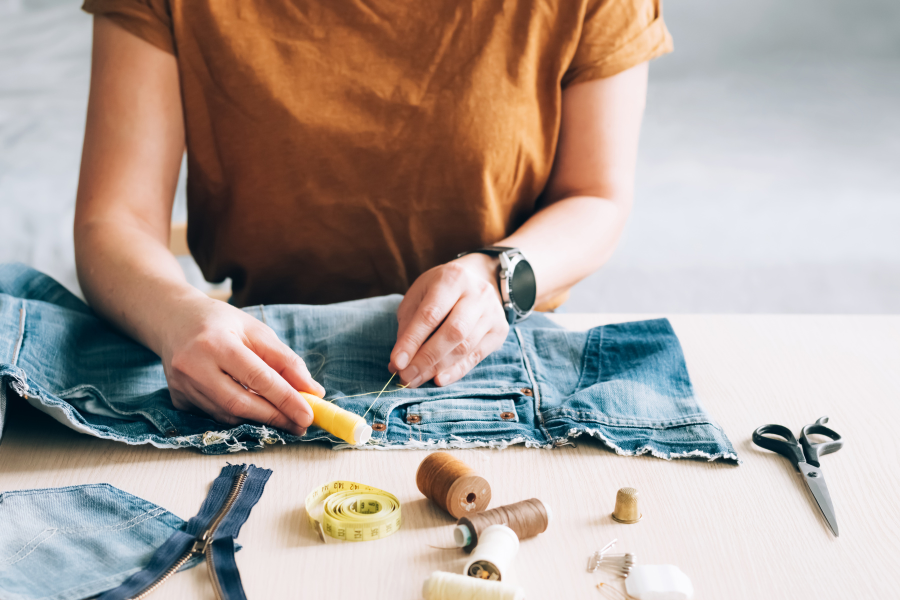
A private sewing lesson is exactly what it sounds like: you and an instructor, working on your project together for a set block of time, usually 60 to 90 minutes. The instructor watches how you handle your machine, sees where your seams go off-grain, and catches fitting issues before you cut into your good fabric. The lesson moves at your pace. If you need to spend 40 minutes understanding how a flat-felled seam works before moving on, that is fine. Nobody is waiting on you.
Private instruction is especially useful in three situations. First, fitting. If you are working with a full bust adjustment on a True Bias Ogden cami or grading between sizes on a Cashmerette Turner dress, having an instructor with you while you make those changes in real time is worth a lot. Second, skill gaps. If you sew regularly but have always avoided zippers, a focused private session on a single technique can close that gap faster than any YouTube video. Third, specialized projects. Tailoring a wool blazer, sewing with silk charmeuse, or constructing a structured bag all benefit from hands-on guidance that a group class rarely has time to provide.
The tradeoffs of private lessons
Private lessons cost more. In most markets, expect to pay between $60 and $120 per hour depending on the instructor's experience and your location. You also miss the energy of a room full of makers. Some people find that energy genuinely motivating — seeing someone else wrestle with the same problem and solve it differently teaches you something, too. And because the session centers on your work, the instructor cannot always anticipate what you will need next. Group class curricula are usually structured to build skills in a logical sequence, which private lessons do not always replicate.
What Group Sewing Classes Offer That Private Lessons Cannot
Group sewing classes bring together makers at a similar skill level to work through a shared project or skill set under one instructor. At Sewing Studio Fabrics in Asheville, those groups are kept intentionally small so everyone gets meaningful attention, but the social dimension is real and it matters. When the person at the next machine figures out how to ease a sleeve cap without puckering, you benefit from watching that happen even if the instructor is not talking directly to you. That kind of peer learning compounds quickly over a multi-week class.
Group classes are also more affordable. A structured four-session garment class typically runs $120 to $200 total — a fraction of what four private hours would cost. That lower price point makes it easier to take multiple classes across a year and build a broader skill set. You might do a beginner garment class in January, a knit sewing class in spring, and an intermediate fitting workshop in fall. That kind of progression is easier to afford when each class costs less.
Community as a learning tool
The community dimension of group classes is genuinely underrated. Sewists who learn together tend to keep sewing together. They share fabric finds, troubleshoot patterns in group chats, and motivate each other to finish projects that might otherwise stall on the cutting table. If you are new to Asheville or new to garment sewing and want to meet other makers, a group class at a local shop is one of the most reliable ways to find your people. Our sewing classes asheville page gives a current look at what is open for enrollment.
How to Choose Based on Your Current Skill Level
Beginners often assume private lessons are the safer bet because they will not slow a group down or feel embarrassed asking basic questions. That instinct is not entirely wrong, but a well-run beginner group class is specifically designed for exactly that environment. Instructors at the beginner level expect every question and structure the class so that common sticking points get addressed before students hit them. A beginner who is shy about asking questions in a group setting may actually do better in private at first, but that is a personality consideration, not a skill one.
Intermediate sewists usually get the most out of group classes focused on specific techniques — bound buttonholes, princess seam fitting, or sewing with wovens versus knits. The curriculum is targeted, the other students share your gaps, and the instructor has built the class around the exact problems your skill level creates. Advanced sewists often find private lessons more useful because their needs are highly specific. A sewist who has been making clothes for ten years and wants to learn to tailor a jacket needs personalized, project-based guidance more than a structured curriculum.
A Practical Way to Use Both Formats Together
Many experienced sewists use private and group instruction together, and it is a genuinely practical approach. A common pattern: take a group class to learn a new technique or start a new project category, then book one private session to troubleshoot specific problems that came up during that class. For example, you might take a group class on sewing the Grainline Studio Tamarack jacket and leave with a finished coat but a fit issue across the upper back you cannot quite solve. One private session with an instructor focused on that single fitting problem is faster and cheaper than trying to diagnose it through pattern forums alone.
You can also flip the order. Book a private session before a group class if you know you are walking in with a significant skill gap. Spending 90 minutes getting comfortable with your machine or learning to read a pattern before your first group class starts means you will get more out of the group experience. Think of the private session as preparation rather than replacement.
Frequently Asked Questions
How long does it usually take to see progress in private sewing lessons?
Most students notice measurable improvement after two to three sessions, especially if they practice between meetings. Technique work like zipper insertion or flat-felled seams can click within a single focused session. Fitting adjustments take longer because they involve understanding your body measurements, pattern ease, and how different fabric weights behave — plan for three to five sessions before those changes feel second nature.
Are group sewing classes appropriate for complete beginners?
Yes, as long as the class is specifically labeled for beginners. A beginner garment class at a shop like Sewing Studio Fabrics starts with machine basics, pattern reading, and fabric handling before any cutting happens. Look for small group sizes — eight or fewer students is ideal — so the instructor can give each person real attention. Avoid general-level classes if you have never threaded a machine before.
What should I bring to a private sewing lesson?
Bring your project-in-progress, your pattern, your fabric (washed and pressed), and a list of specific questions or problems you want to work through. If you own your own machine, ask the instructor whether to bring it or use the shop's. Bring a notebook. The adjustments you learn in a private session are easy to forget once you are home and back at your own machine, so write everything down as you go.
Can I request a specific instructor for private lessons?
Most shops that offer private instruction will let you request a specific teacher, especially if you have taken a group class with them and know their style works for you. It is worth asking directly. Some instructors specialize in tailoring or knit construction, so matching your project type to the instructor's strengths matters more than just personal preference.
How do I know if a group class is the right skill level for me?
Read the class description carefully and look for the listed prerequisites. If the description mentions pattern adjustments, sewing curved seams, or working with specific fabric types, those are skill markers. When in doubt, email the shop and describe what you have made before. A good shop will tell you honestly whether the class fits where you are, rather than just filling the seat.
Do private lessons cost more at a fabric shop versus an independent instructor?
Sometimes yes, sometimes no. Shop-based instructors often have access to better equipment, a broader fabric selection to sample with, and more structured curricula. Independent instructors may offer more scheduling flexibility and sometimes lower rates. The more important factor is the instructor's background in garment sewing specifically, since technique and fitting knowledge varies widely regardless of where someone teaches.
What if I want to learn a technique that no group class currently covers?
Private lessons are the right answer here. If you want to learn smocking, bound buttonholes on a tailored coat, or how to sew with double-faced wool, those are unlikely to appear as standalone group class topics at most shops. A private session lets you set the agenda entirely. Come with your project, your materials, and a clear goal, and a skilled instructor can work through almost any technique with you.
Find the Right Class Format and Start Sewing in Asheville
Whether you work best with one-on-one attention or thrive in a room full of makers, getting good instruction is one of the fastest ways to grow as a sewist. Think about what project you want to finish, what skills you want to add, and how much flexibility you have in your schedule. Start there, then match the format to those answers rather than picking whatever is easiest to book. If you are ready to find a class that fits where you are right now, browse our current schedule and sign up at sewing classes asheville or stop by the shop on Merrimon Avenue in Asheville and we will help you figure out the best next step together.