


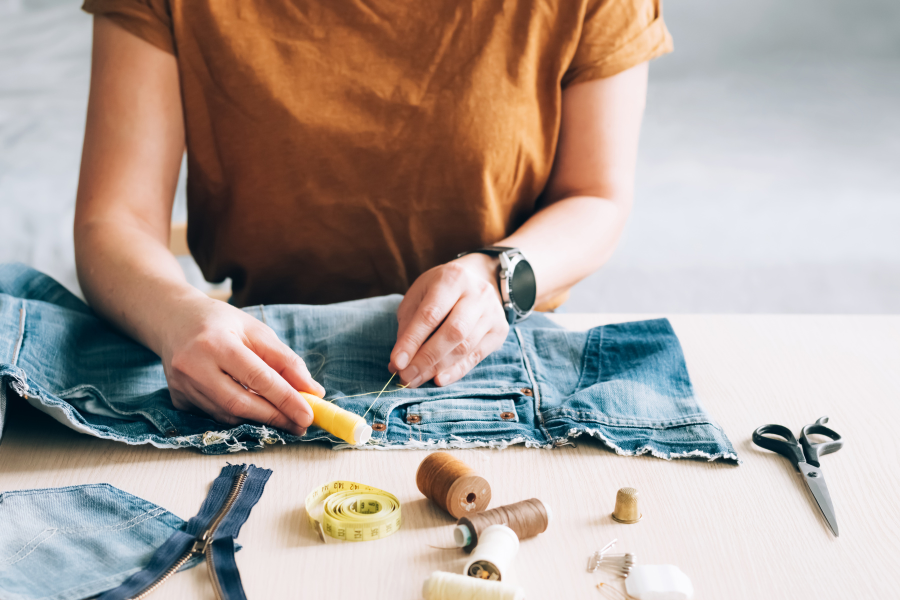



Customized Learning: Private Lessons vs Group Classes
Key Takeaways
Private sewing lessons give you one-on-one attention and a pace set entirely by your project and skill level. Group classes build community, cost less per session, and often teach you more than you expected because you learn from what your classmates ask too. Knowing which fits your goals, budget, and learning style helps you get more out of every hour at the machine.
- Private lessons work best for fitting challenges, heirloom projects, or sewists who want to work on a specific technique at their own pace.
- Group classes are ideal for beginners building foundational skills and anyone who thrives in a social, hands-on environment.
- Cost per session is lower in group settings, but private instruction can save time by cutting out trial-and-error on expensive fabric.
- Your project type, personality, and budget all factor into which format gives you the best return on your learning time.
- Many sewists use both formats strategically: group classes for new skills, private sessions for project-specific troubleshooting.
Why the Format of Your Sewing Class Matters More Than You Think
Most sewists spend more time picking fabric than picking how they learn, but the class format shapes your progress just as much as the instructor's skill level. A confident sewist who already knows the basics but keeps struggling with bust adjustments will get very different results from a beginner-friendly group workshop than from a focused private session. The same is true in reverse: a total beginner who signs up for a solo lesson might feel overwhelmed without the context that a structured group curriculum provides. Before you register for anything, it helps to think honestly about how you learn, what you want to make, and how quickly you want to get there.
What Private Sewing Lessons Actually Look Like
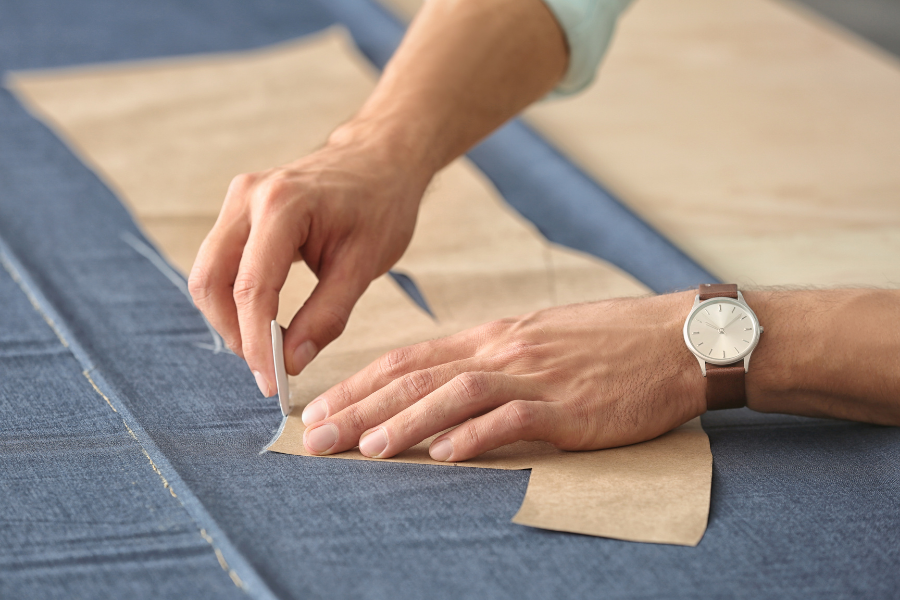
Private lessons are scheduled around you. You bring a project or a problem, and your instructor works through it with you in real time. That might mean walking through a full welt pocket from cut to finish, adjusting a Closet Core Fiona Dress for a narrow shoulder, or figuring out why your serger keeps eating the seam allowance on lightweight silk charmeuse. Because the instructor is not managing six other students at the same time, they can watch your hands, notice your habits, and catch small mistakes before they become expensive ones. If you are cutting into four yards of our silk crepe de chine or a wool coating fabric, having someone watch that first cut is worth every penny of the lesson fee.
Who benefits most from private instruction
Sewists tackling fitting adjustments for bodies that do not match a standard pattern size tend to see the fastest payoff from private lessons. The same goes for anyone working on a high-stakes project like a wedding garment or tailored blazer, or someone returning to sewing after years away who wants to rebuild skills without the embarrassment of asking basic questions in a room full of strangers. If you are the kind of person who learns by doing and asking in the moment, private instruction matches that style exactly.
What Group Sewing Classes Bring to the Table
Group classes do something private lessons rarely can: they show you how other people solve the same problem. When someone else in the room asks about clipping curves on a knit, you might realize you have been skipping that step entirely. That kind of ambient learning adds up. Group classes also tend to follow a structured curriculum, which is genuinely useful for beginners who do not yet know what they do not know. A beginner bag-making class, for example, walks you through interfacing choices, zipper installation, and hardware in a logical sequence that a self-directed private student might scramble to build on their own.
The social side of group learning
There is a real community dimension to group sewing classes that matters to a lot of makers. Sewing can be a solitary hobby, and sitting around a table with other people who geek out over fabric grain and seam finishes is genuinely energizing. Many sewists who take classes at our Asheville studio end up becoming regulars, sharing pattern recommendations, fabric hauls, and project updates long after the class ends. If you want to meet other makers in your area, a group class is one of the most natural ways to do it. Our sewing classes asheville page has a current schedule of upcoming group workshops and skill-level options.
Comparing Cost, Time, and Learning Speed
Group classes cost less per session, usually by a significant margin. A two-hour group workshop might run $45 to $75 per person, while a private lesson with the same instructor could run $80 to $150 for the same time block, depending on location and expertise. On paper, group classes win on price. But cost efficiency depends on what you are learning. A sewist who spends three group sessions still unclear on how to fit a swayback adjustment might have spent less money and less time with two hours of direct private instruction. Think about it this way: if a mistake in a group class costs you a yard of our Essex linen at $14 per yard, and a private instructor would have caught that mistake in the first five minutes, the lesson fee starts to look pretty reasonable.
Learning speed is not just about pace
Private lessons let you move faster through things you already understand and slow down exactly where you need to. Group classes move at a pace set for the median student, which means you will sometimes wait for others to catch up and sometimes fall behind. Neither is bad; they are just different. Beginners often benefit from the group pace because it forces them to fully finish one step before moving on. Intermediate sewists often find group pacing frustrating because they want to push into more complex territory faster than the group format allows.
How to Choose Between Private and Group Instruction
Ask yourself three questions before you register anywhere. First, do you have a specific project with a deadline or a specific technique you need to nail? If yes, lean toward private. Second, are you brand new to sewing and looking for a structured foundation? Group classes were built for you. Third, is budget a deciding factor right now? Group classes stretch your learning dollars further when you are building general skills. Many of our most dedicated students use both formats throughout the year: a group class to learn a new category like knit garments or tailoring, and a private session when a specific project hits a wall. That combination gets you the community and curriculum benefits of group learning alongside the focused troubleshooting that private instruction does best.
Frequently Asked Questions
Can a complete beginner take a private sewing lesson?
Yes, and some beginners actually prefer it. A private lesson lets you ask every question you have without worrying about slowing down a group. That said, beginners who start with a structured group class often build a more organized foundation because the curriculum covers steps in a deliberate sequence. If you are a total beginner, consider one group beginner class first, then supplement with private lessons as specific questions come up.
How long does a typical private sewing lesson run?
Most private lessons run between 90 minutes and two hours. Shorter sessions tend to feel rushed once you factor in setup, troubleshooting, and cleanup. If you are working on a complex technique like bound buttonholes or a tailored collar, booking a two-hour block gives you enough time to actually finish what you started and leave with a clear sense of the steps.
What should I bring to a private sewing lesson?
Bring your project, your pattern, the fabric you plan to use, and any notes about what is not working. If you have already cut the fabric, bring that too. The more context you give your instructor before you start, the faster they can zero in on what you actually need. If you are not sure what to bring, email ahead and ask your instructor for a short prep list.
Are group sewing classes suitable for intermediate sewists?
It depends entirely on the class topic and level. A group class on tailoring a blazer or working with silk can absolutely challenge an intermediate sewist. The key is reading the class description carefully and looking for level indicators. If a class is labeled beginner-friendly but the technique is new to you regardless of your overall skill level, it can still be worth attending.
How do I know if I am too advanced for a group class?
If you already understand every prerequisite skill listed in the class description, you are probably too advanced. A better use of that time would be a private session on the specific technique you want to add. Many instructors will tell you honestly if a class is below your current level, so do not hesitate to ask before you register.
Can I combine private lessons and group classes at the same studio?
Absolutely, and it is one of the most practical ways to build skills efficiently. Group classes give you a structured curriculum and community. Private lessons let you take a specific project further than any group format could. Studios that offer both formats, like ours in Asheville, make it easy to move between them as your projects and goals change throughout the year.
What skill level do I need to take a group sewing class in Asheville?
We offer group classes at multiple levels, from true beginners to experienced garment sewists. Each class listing on our website includes a skill-level recommendation and a short list of what you should already know before you attend. If you are unsure where you land, reach out and we will help you find the right starting point without any awkwardness.
Find the Right Class for Your Projects and Your Learning Style
Whether you work best one-on-one with a focused instructor or you thrive in a room full of fellow makers, the most important thing is that you keep sewing and keep building skills. Private lessons and group classes each have real strengths and real limitations, and knowing the difference means you spend your time and money on learning that actually moves your sewing forward. If you are ready to sign up or just want to see what is coming up on the schedule, visit our sewing classes asheville page or stop by the studio on any open shop day. We are happy to help you figure out which format fits where you are right now.