



creating matching bridesmaid robes for getting ready photos
Key Takeaways
Making matching bridesmaid robes is one of the most rewarding group sewing projects you can tackle before a wedding. Choose a fabric that photographs beautifully, cut all robes from the same dye lot, and finish every seam so the robes hold up through a morning of hugs, champagne, and happy chaos. Plan for at least six weeks of lead time.
- Silk charmeuse, rayon challis, and cotton gauze are the top fabric choices for getting-ready photos because they drape softly and catch light well.
- Cutting all robes from a single fabric run prevents color variation between bridesmaids' garments.
- A simple kimono-style robe with a tie belt is beginner-friendly and photographs better than a structured robe with lapels.
- Label each robe with the bridesmaid's name before the wedding morning to avoid size-swap chaos in the excitement.
- Personalizing with embroidery or iron-on names adds a keepsake quality that bridesmaids actually keep and wear again.
Why Getting-Ready Photos Make Fabric Choice So Important
Getting-ready photos have become a genuine highlight of the wedding day album. A good photographer captures the whole bridal party laughing in front of a mirror, toasting with mimosas, or leaning in for a group hug. The robes are front and center in every frame. That means the fabric you choose does real work. It needs to look intentional and cohesive, drape beautifully even when someone is sitting or moving, and photograph well under both window light and flash. A stiff or shiny-in-the-wrong-way fabric will read as cheap on camera even if it was not. This is why fabric selection is the single most important decision in this whole project, and it is worth spending extra time getting it right before you cut a single piece.
The Best Fabrics for Bridesmaid Robes That Actually Photograph Well
Silk charmeuse is the gold standard for getting-ready robes. It has a soft, liquid drape and a subtle sheen that photographs beautifully without blowing out under flash. The tradeoff is that charmeuse frays aggressively, slips on the cutting table, and requires a sharp needle (size 60/8 or 70/10 microtex) and French seams or a serger to finish properly. If your group is sewing together or you are making six to ten robes in a short window, charmeuse can feel punishing.
Rayon challis is the friendlier alternative. It drapes almost as softly as silk, comes in a wide range of solid colors and prints, and costs significantly less per yard. It is a much more forgiving fabric to cut and sew, which matters when you are making multiples. The downside: rayon wrinkles, so steam each robe the morning before the wedding.
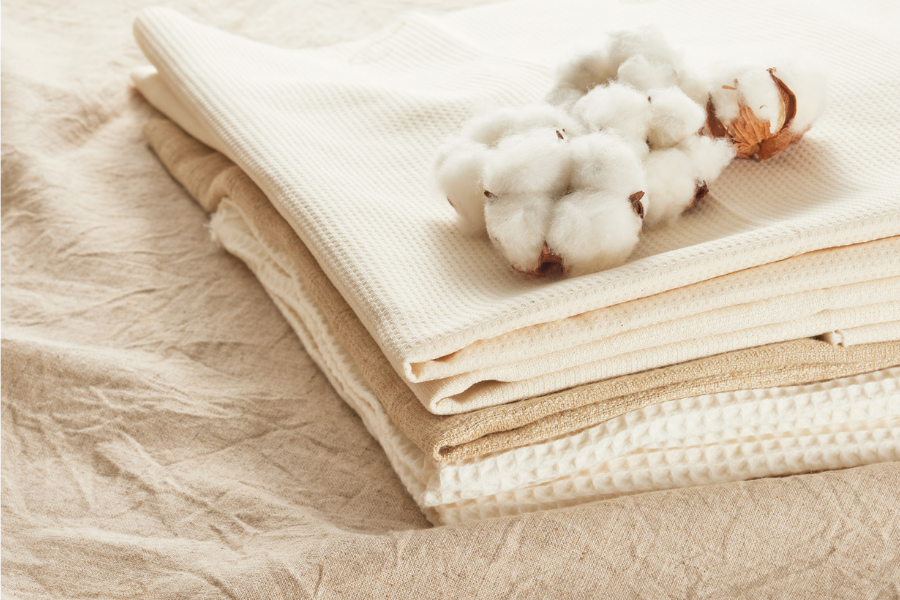
Cotton gauze and double gauze are worth considering if the wedding has a relaxed, bohemian feel or if the ceremony is in a warm climate. Gauze photographs with a lovely airy quality and is the easiest of the three to sew. It does not drape as fluidly as silk or rayon, but for outdoor weddings or beach ceremonies, that texture reads as intentional and pretty.
What to Avoid
Avoid satin-faced fabrics with a high polyester content. They look inexpensive on camera and feel uncomfortable against skin. Fleece and terry cloth have their place in spa robes, but they read as bulky and casual in photos. Lace overlay adds complexity that rarely pays off when you are sewing multiples on a deadline.
Choosing a Robe Pattern That Works for Every Body in Your Party
A kimono-style robe with a simple tie belt is the most reliable choice for a mixed-size bridal party. The wraparound silhouette is size-flexible, flattering on most body types, and requires no fitting adjustments the way a structured robe with a set-in sleeve would. Patterns like the Wiksten Haori or a basic kimono robe from indie designers give you a clean, modern look that photographs well from every angle. For a bridal party that includes a range of sizes from petite to plus, check whether your chosen pattern grades up through at least a size 24 or 26 before you buy it. Cashmerette patterns are specifically drafted for sizes 12 to 32 with a full-bust adjustment built in, which is worth knowing if fit is a concern for your party.
If you are new to making robes for a group, our full guide to wedding day robes covers pattern selection, sizing charts, and fabric yardage by size in one place. Start there if you are still deciding on your overall approach before committing to a specific pattern.
How Much Fabric Do You Need Per Robe?
A standard knee-length kimono robe in a size medium requires roughly 3 to 3.5 yards of 45-inch fabric or 2.5 to 3 yards of 60-inch fabric. Buy a minimum of a half yard extra per robe for cutting errors and to account for pattern matching if your fabric has a print. For a party of eight, that means ordering at least 25 to 28 yards in a single purchase from the same dye lot. This is not the place to order half now and reorder later. Fabric color can shift between dye lots in ways that are subtle in person but obvious in photos.
Sewing and Personalizing a Set of Robes on a Real Timeline
Six weeks is the minimum comfortable lead time for sewing a set of six or more robes. Two weeks to source and receive fabric, one week to pre-wash and press, two weeks to cut and sew, and one week buffer for any fitting issues or seam repairs. If embroidery is part of your plan, add another week or hire a local embroiderer who can work from digital files.
Personalization is what takes a matching robe from a nice gesture to a real keepsake. The most popular options are iron-on vinyl letters applied with a Cricut or Silhouette machine (fast, graphic, durable on rayon and cotton), hand embroidery in the bridesmaid's name or a small floral motif (time-intensive but beautiful), or machine embroidery if you have access to an embroidery machine. For silk charmeuse, stick with embroidery rather than heat-transfer vinyl, since the heat required for vinyl can damage the fabric surface. Test on a scrap before committing.
Finishing Details That Matter on Camera
French seams or a serger finish on every seam edge will make robes that hold up through a busy wedding morning. Sew the tie belt long enough to wrap and tie with a generous bow, which photographs better than a tight knot. Press each robe flat before packaging it, and store them on hangers in garment bags so they arrive at the venue wrinkle-free. A small safety pin attaching the belt to the robe prevents the frustrating moment when someone shakes out their robe and the belt falls to the floor.
Frequently Asked Questions
How far in advance should I start sewing bridesmaid robes?
Plan for at least six weeks before the wedding date. That window gives you time to source fabric from a single dye lot, pre-wash it, sew and finish each robe, add any personalization, and make corrections. If you are new to sewing or working with silk charmeuse for the first time, add another week to practice on scrap fabric first.
Can I use the same pattern for all sizes in a bridal party?
Yes, if the pattern grades through your full size range. A kimono-style robe is particularly forgiving because the wrap silhouette adjusts naturally to different body widths. Check that the pattern includes at least sizes XS through 3X, and read reviews from sewists with similar measurements to confirm the sizing runs true before you order fabric.
What color works best for photos?
Soft, dusty tones photograph better than bright or saturated colors under flash. Blush, sage, champagne, dusty blue, and ivory are popular for good reason. Avoid bright white, which can blow out under flash, and very dark colors, which can make the robes look flat in low window light. Test a fabric swatch in the venue lighting if you can.
Is rayon or silk better for warm-weather weddings?
Rayon challis breathes well and stays comfortable in warm rooms. Silk charmeuse feels cool against skin but can show perspiration marks, which matters on a high-emotion wedding morning. For summer or outdoor venues, rayon challis or cotton gauze are the more practical choices, and both photograph beautifully.
How do I prevent color variation between robes if I order fabric at different times?
Order all the yardage for the full set in a single purchase from the same fabric bolt or dye lot. Ask your fabric shop to pull it from one continuous cut rather than separate pieces. Color variation between dye lots is subtle in person but visible in side-by-side photos, and there is no fix after the fact.
Can beginners sew a set of bridesmaid robes?
Yes, especially with a kimono-style pattern and a forgiving fabric like cotton gauze or rayon challis. Avoid silk charmeuse for your first robe project. Make one complete sample robe before cutting the whole set, so you can find and fix any fitting or construction issues without wasting fabric across all sizes.
What notions do I need beyond fabric and thread?
Sharp microtex or universal needles sized for your fabric weight, good fabric scissors or a rotary cutter and mat, a pressing cloth for delicate fabrics, seam tape for clean tie-belt edges, and a seam ripper. If you plan to add iron-on personalization, a Teflon pressing sheet protects both the vinyl and the fabric during application.
Start Sewing Robes Your Whole Party Will Love to Wear
Matching bridesmaid robes made from real fabric, sewn with care, are a completely different thing from what you find in party supply stores. They drape beautifully in photos, they feel good to wear on a nervous morning, and bridesmaids actually keep them. Pick a soft fabric in a color that works with your wedding palette, order all your yardage at once, give yourself a realistic timeline, and enjoy the process. This is a genuinely fun group project when you plan it well. Browse our curated fabric selection for getting-ready robes and wedding sewing at sewingstudio.com, or come see us in Asheville and we will help you pick the perfect fabric in person.