

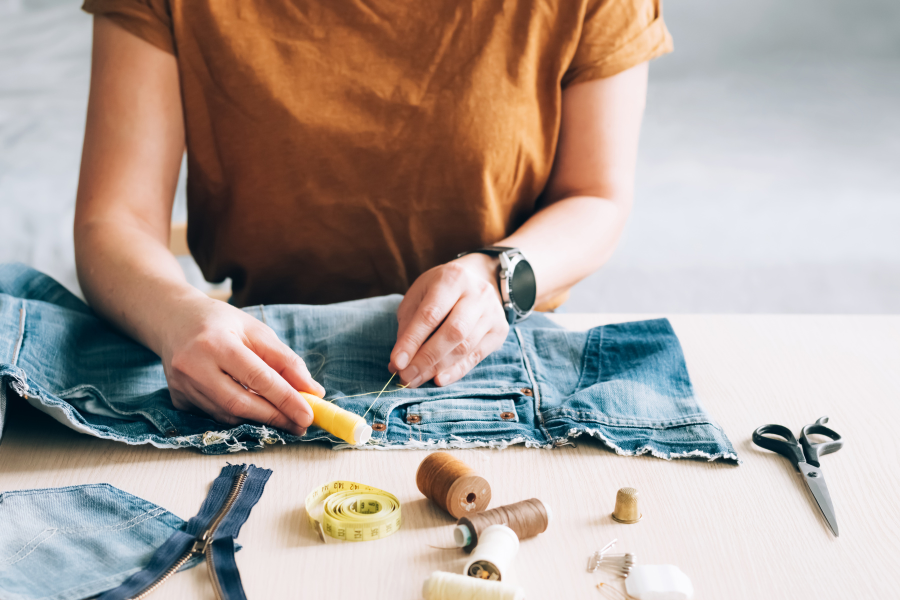



Creating Beautiful Projects from Fabric Remnants
Key Takeaways
Fabric remnants are not scraps to feel guilty about — they are a starting point for some of the most satisfying projects you will ever make. With a little planning and the right project match, those leftover cuts of linen, cotton, and knit can become bags, garments, gifts, and home goods that you are genuinely proud of.
- Sort remnants by fiber content and weight before choosing a project, not after.
- Small cuts under half a yard work best for accessories, quilt blocks, and patchwork panels.
- Combining two or three remnants intentionally reads as design, not scrap-busting.
- Woven remnants and knit remnants need different project strategies — do not mix them without a plan.
- Remnant sewing is one of the most practical entries into sustainable sewing asheville without changing your entire practice overnight.
Why Fabric Remnants Deserve a Real Project Plan
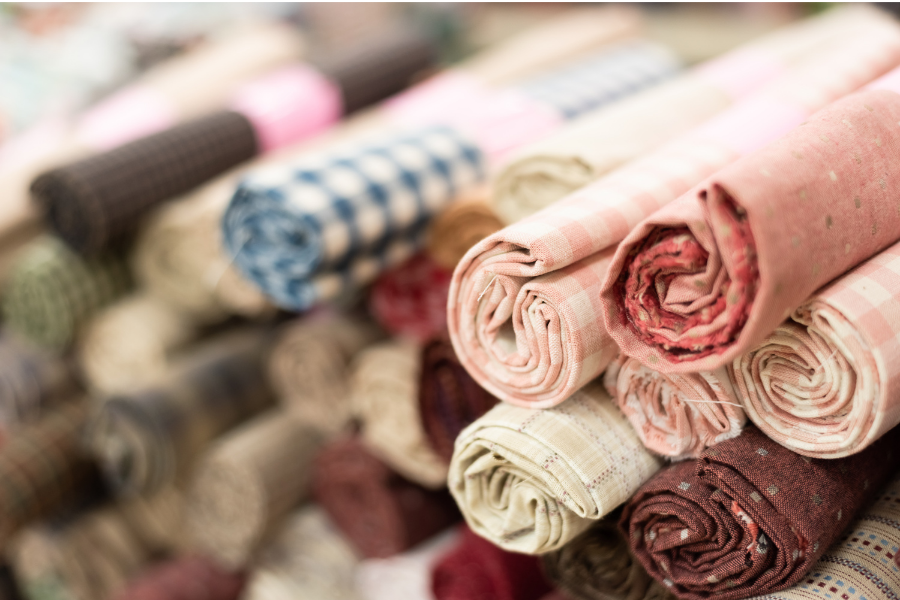
Most sewists accumulate remnants the same way: a yard leftover from a blouse, half a meter of linen that did not make the cut for a wider pair of trousers, a fat quarter of Liberty Tana Lawn that you bought because it was beautiful and now live in a drawer. The instinct is to wait for the perfect project. But remnants reward action over patience. The makers who get the most from their fabric stash are the ones who approach leftover cuts with the same intention they would bring to a fresh yard from the bolt. That means understanding what you actually have, matching it honestly to project requirements, and committing to a plan before the pile grows another inch.
How to Sort Your Remnants Before You Sew Anything
Sorting before sewing sounds obvious, but most people skip it and then wonder why their remnant projects feel chaotic. Pull everything out and group by fiber first: cotton with cotton, linen with linen, knits together, silk and silk-like fabrics in their own pile. Then sort each group by weight. A medium-weight cotton lawn and a heavy canvas are both cotton, but they will never be in the same project unless you are making something intentionally structured with contrast panels.
Once you know what fiber and weight you have, measure each piece. Do not guess. A cut you remember as "about a yard" is often closer to 28 inches, which changes every project option on your list. Write the measurements directly on a piece of painter's tape and stick it to the folded fabric. This step takes twenty minutes and saves hours of frustration later.
What counts as a usable remnant?
Any cut 18 inches or longer in at least one direction is worth keeping if the fiber content is good. Smaller cuts can work for patchwork, yo-yos, fabric-covered buttons, or stuffing for pincushions. Cuts under 6 inches are best composted if they are natural fiber, or used as pressing cloths if they are cotton muslin.
Best Projects for Small Cuts Under Half a Yard
The half-yard mark is where most sewists feel stuck. You have something beautiful but not enough of it to make anything wearable on its own. This is exactly where accessories and home goods shine. A fat quarter of a Japanese double gauze makes a stunning sleep mask or a lined zipper pouch. Two fat quarters of complementary cotton prints make a reversible tote with real visual interest. Half a yard of medium-weight linen is enough for a set of four cocktail napkins, hemmed with a neat mitered corner that shows off your finishing work.
Patchwork is the other strong option for small cuts, and you do not need to be a quilter to use it. Indie pattern designers like Noodlehead (Anna Graham) have patterns like the Park Slope Tote that are specifically designed to combine fabric panels from your stash. Closet Core's Pietra Pants include a waistband option that can be cut from a contrasting remnant. Even a simple patchwork panel sewn from 5-inch squares can become the front of a lined bag or the back yoke of a shirt.
Using Larger Remnants for Garment Sewing
A remnant between one and two yards opens up real garment territory, especially if you sew for a smaller frame or choose patterns drafted for minimal yardage. True Bias patterns consistently require less fabric than similarly sized Big 4 patterns — the Roscoe Blouse in a size 10 takes about 1.5 yards of 44-inch fabric, which means a 1.75-yard remnant of rayon challis could be the whole project. Cashmerette's Upton Dress can sometimes work in two yards of a 60-inch fabric if you trace a single size and lay out carefully.
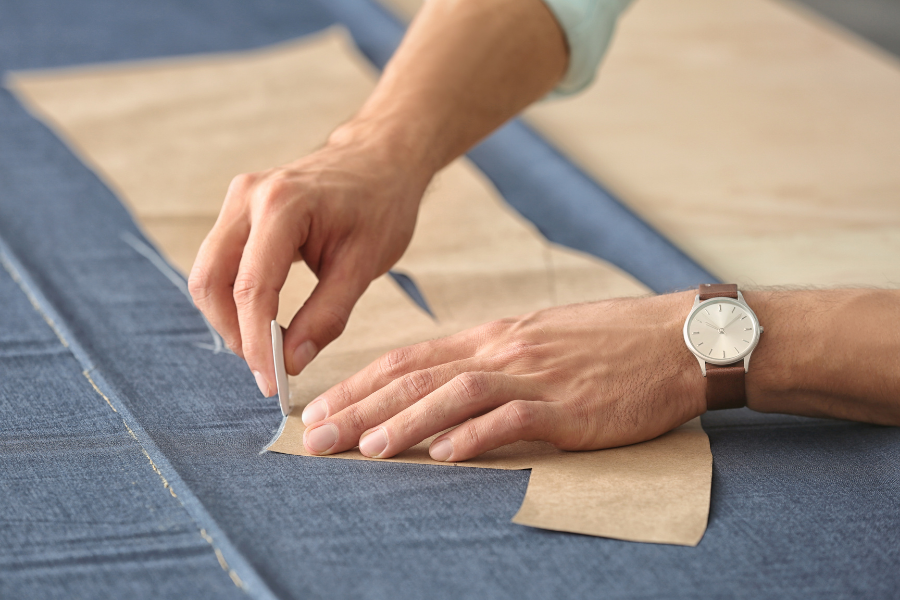
Before cutting, do a paper layout. Print or trace the pattern pieces and arrange them on paper cut to the same dimensions as your remnant. This takes an extra 15 minutes and tells you definitively whether the project will work before you cut into anything. If you are one piece short, that is often the sleeve or facing, which is a great opportunity to use a coordinating remnant as a visible contrast detail instead of a hidden one.
When to use a smaller size or adjust the pattern
If your remnant is just a few inches short of the stated yardage requirement, check which pattern pieces are the longest. Often the front and back bodice pieces are the length-limiting factor, and the sleeves or waistband can be cut on the cross-grain or pieced without anyone ever knowing. The Grainline Studio Tamarack Jacket is a good example: the body pieces run long, but the cuffs and facing pieces can usually be cut from a separate remnant without any visual break.
Combining Multiple Remnants as a Design Choice
The most satisfying remnant projects are the ones where you can tell the maker was making decisions, not just using up leftovers. Combining two or three fabrics looks intentional when you follow a few simple rules. First, keep fiber content consistent within any one garment so the whole piece washes and wears the same way. A cotton top with cotton contrast panels will age together; a cotton and rayon mix might not. Second, let one fabric lead and one support. One print and one solid is the easiest pairing. Two prints work when one is much smaller in scale than the other. Third, repeat the contrast fabric in at least two places so it reads as a pattern choice: use it for both the collar and the cuffs, or for both the patch pockets and the waistband.
This approach connects directly to the broader values behind sustainable sewing asheville, where using what you already have is treated as a creative act, not a compromise. Remnant combination projects also photograph beautifully for the indie sewing community on Instagram, which is a real bonus if you like to share your makes.
Frequently Asked Questions
How do I know if a remnant is too small to be worth keeping?
Keep any natural-fiber cut that measures at least 18 inches on its longest side. Below that, it can still work for fabric-covered buttons, quilt half-square triangles, or a pincushion top. Synthetic blends under 12 inches rarely justify the drawer space unless the fabric is genuinely special. When in doubt, ask yourself if you would cut into it in the next six months. If the honest answer is no, let it go.
Can I mix woven and knit remnants in the same project?
You can, but it requires planning. Knit fabric needs stretch in the seams and often a different needle. A woven and knit combination works well in projects where the two fabrics are not seamed directly together — think a woven tote with a knit interior lining, or a woven jacket with a knit ribbed cuff. Avoid seaming woven and knit panels together along stress points like side seams.
What patterns are designed specifically for limited yardage?
True Bias, Grainline Studio, and Merchant and Mills all tend to run leaner on yardage than average. Look at the fabric requirements on the pattern envelope and compare across designers. Patterns drafted for a 60-inch fabric width generally require less total yardage than the same silhouette designed for a 44-inch width. Fat quarter friendly quilt patterns from designers like Ruby Star Society are also a reliable category for small cuts.
Should I prewash remnants before storing them?
Yes, and do it before the remnant goes into storage, not when you pull it out for a project. Prewashing takes the guesswork out of later and prevents the common problem of shrinking a finished garment. Label the washed cut with fiber content and care instructions on painter's tape so you do not have to guess again in six months.
How do I store fabric remnants so I can actually find them?
Store by fiber content and weight, not by color. Color-sorted stashes look pretty in photos but make it much harder to find what you need when you are planning a project by garment type. Clear bins or open shelving lets you see at a glance what you have. Fold all cuts to the same width so the leading edges face out and you can read the fabric without unfolding everything.
Are there good remnant sources beyond my own stash?
Yes. Many independent fabric shops, including Sewing Studio Fabrics in Asheville, sell remnants and end-of-bolt cuts at a discount. These are often high-quality natural fibers that did not sell through as full bolts. Remnant bins at indie shops tend to have better fiber quality than chain fabric stores. Estate sales and sewing guild destash events are also worth checking if you want unusual or vintage fabric without a large yardage commitment.
What is the biggest mistake sewists make with remnants?
Saving them for "something special" indefinitely. A remnant that sits for two years while you wait for the perfect project is not doing anyone any good. Set a personal rule: if a remnant has been in your stash for more than one year without a project planned, either cut into it for something small this month or pass it on to another maker who will use it.
Start Cutting Into That Stash This Weekend
You already have beautiful fabric. It is sitting folded in your studio right now, waiting for you to commit to it. Pull out your remnants this weekend, measure them honestly, and match each one to a project before you put it back. Whether that means a linen zipper pouch, a patchwork tote from three coordinating cotton cuts, or a True Bias blouse from that length of rayon you forgot you had, every project you finish from your existing stash is a win. Shop our curated fabric selection at sewingstudio.com or visit us in Asheville to add the perfect remnant to your collection.