



coordinating bridesmaid dresses: fabric selection tips
Key Takeaways
Choosing fabric for coordinating bridesmaid dresses means balancing color consistency, drape, and wearability across different body types. The best results come from picking one fabric family and working within it, whether that is a silk charmeuse, a matte crepe, or a cotton voile. Test swatches under your ceremony lighting before you commit.
- Stick to one fabric family across all bridesmaid gowns so the group reads as cohesive even in mismatched styles or colors.
- Check dye lot numbers carefully when ordering multiple cuts of the same fabric, especially for large bridal parties.
- Lightweight wovens like crepe de chine and chiffon flatter a wide range of body types and move beautifully on camera.
- Consider the venue climate and season before choosing between silk, linen, or a modal blend.
- Order at least 10 to 15 percent extra yardage per dress to account for fitting adjustments and pattern matching.
Why Fabric Cohesion Matters More Than Matching Colors
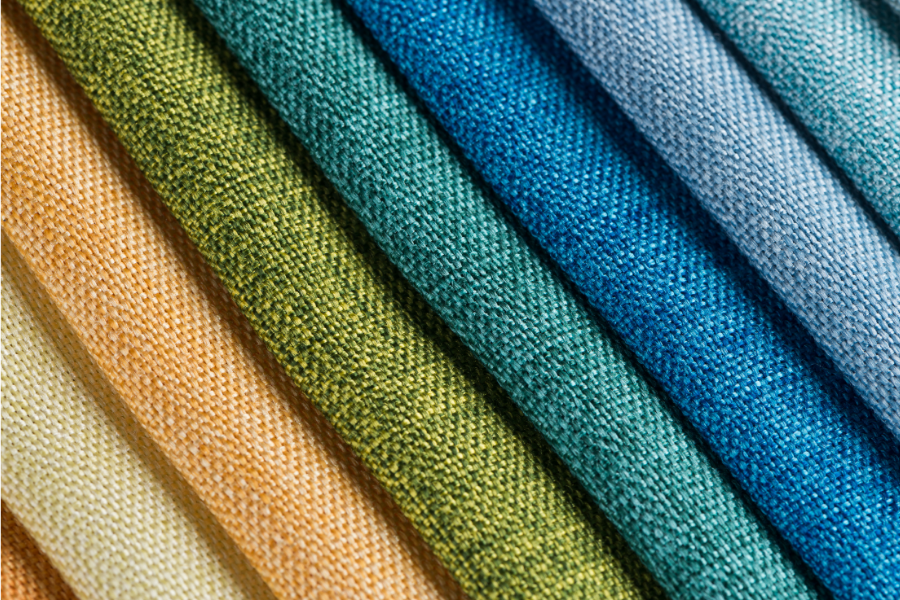
When a bridal party walks down the aisle, the eye reads texture before it reads color. Two dresses cut from the same pattern but sewn in different fabrics, say one in satin and one in crepe, will catch light differently and look mismatched in photos even if the color is identical. That is why experienced dressmakers and bridal seamstresses start with fabric selection before they think about silhouette or color palette. Getting the fabric right first gives you a foundation that holds the whole look together. If you are sewing the bridesmaids' dresses yourself or coordinating with multiple sewists, establishing a single fabric family early in the planning process saves a lot of headaches later. This is also where an understanding of wedding dress fabric pays off, because the same principles that apply to bridal gowns apply to the entire wedding party.
Choosing a Fabric Family for the Whole Bridal Party
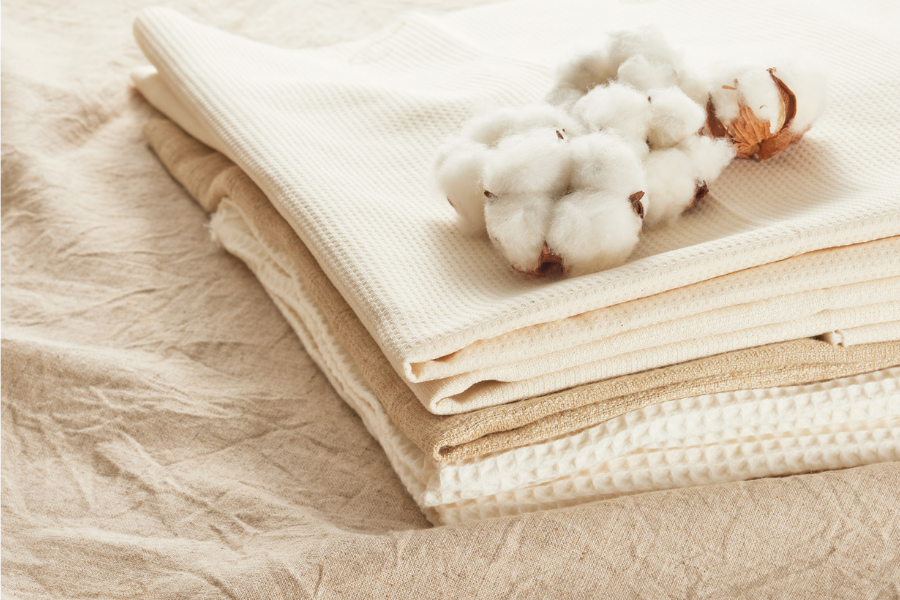
The term fabric family refers to a group of fabrics with shared fiber content and similar hand feel, even if they have slightly different weave structures or finishes. Silk charmeuse and silk crepe de chine are in the same family. Cotton voile and cotton lawn are in the same family. Mixing within a family is almost always safer than mixing across fiber types.
Silk and Silk Alternatives
Silk charmeuse is a perennial choice for formal bridesmaid gowns because it photographs beautifully and drapes close to the body without clinging uncomfortably. The tradeoff is cost: expect to pay between $30 and $60 per yard for quality silk charmeuse. For a group of five bridesmaids each needing 4 to 5 yards, that adds up fast. Polyester charmeuse gives you a similar drape at a fraction of the cost, but it does not breathe, which matters enormously at an outdoor June wedding in the South. Silk crepe de chine is a more forgiving option in the same family. It has a slightly matte finish, fewer snag risks, and it sews more predictably for makers who are still building confidence with slippery fabrics.
Lightweight Wovens for Mixed-Style Parties
If your bridesmaids are each choosing their own silhouette within a coordinating color, lightweight wovens give you the most flexibility. Chiffon layers beautifully for skirts and can be used for fitted bodices with a lining. Georgette is slightly heavier than chiffon and less prone to shifting on the cutting table, which makes it more beginner-friendly. Both fabrics work across a wide range of dress styles and body types, which is exactly what you need when five different people are wearing five different cuts.
Color Consistency Across Multiple Fabric Cuts
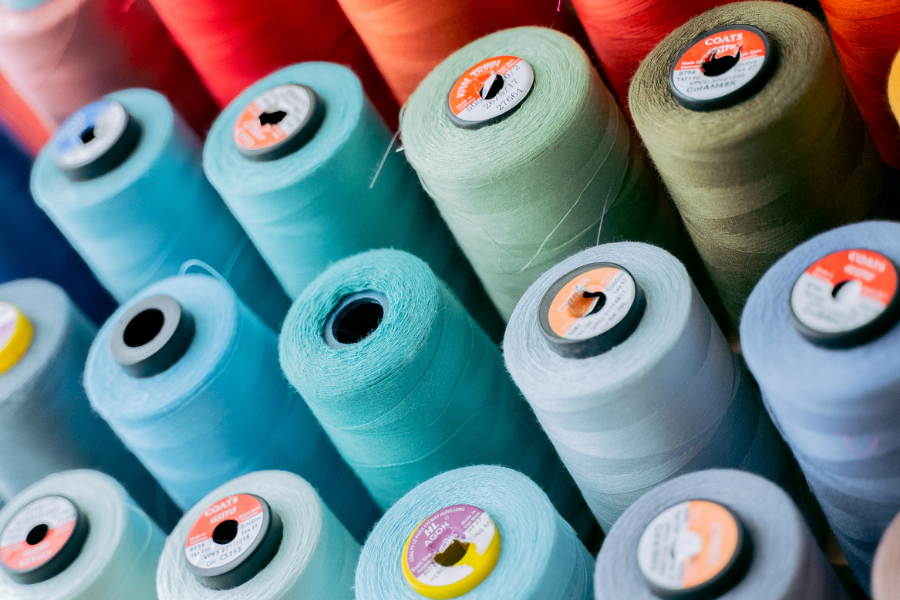
Here is where many home sewists run into trouble. You find the perfect dusty rose crepe de chine, order 5 yards, and then come back three weeks later for another 4 yards for the second dress. The new cut looks almost identical on the bolt, but in photos next to the first dress, the difference is visible. Dye lots are the reason. Natural fibers like silk and linen absorb dye inconsistently between production runs, and even synthetic fabrics can vary.
The safest approach is to calculate your total yardage for the entire bridal party before you place a single order and buy everything at once from the same bolt. If that is not possible, ask the shop to check inventory from the same dye lot. At Sewing Studio, we can often pull lot information from our supplier records for natural-fiber fabrics. If you are ordering online, contact customer service and ask specifically about dye lot consistency before checkout. Swatching under your ceremony lighting, whether that is candlelight, outdoor afternoon sun, or fluorescent banquet hall lighting, is a step you should not skip. The same dusty rose can read almost lavender under cool LEDs.
Fabric Recommendations by Season and Venue
The venue and season are not just styling considerations. They have a direct effect on which fabrics will be comfortable and which ones will make your bridesmaids miserable by the reception.
Summer Outdoor Weddings
For a July wedding in a garden or on a beach, your fabric needs to breathe. Silk chiffon, cotton voile, and linen are the top contenders. Linen wrinkles, and that is a genuine tradeoff you have to weigh. A relaxed garden wedding can carry linen beautifully. A formal ceremony with a long walk down a grass aisle in the heat probably cannot. Cotton voile is a lighter call: it stays cooler than linen, wrinkles less aggressively, and dyes well for consistent color across cuts. If the bridesmaids are doing any kind of outdoor physical activity before or after the ceremony, skip the silk entirely and go with a modal blend or a quality cotton.
Fall and Winter Ceremonies
Cooler months open up your options considerably. Crepe, velvet, and heavier silk satin all work well for fall and winter ceremonies. Silk velvet is stunning in jewel tones and photographs with incredible depth, but it is unforgiving to sew: nap direction must match across every piece, and even small handling errors leave permanent marks. A polyester velvet with a good hand is a smarter choice for a party of five or six dresses being sewn by different makers. Wool crepe, often overlooked for bridal, is warm, drapes beautifully, and holds its shape through a long reception. Check out the wedding dress fabric guide for a deeper look at how heavier fabrics behave in structured garment construction.
Yardage Planning and Ordering Tips
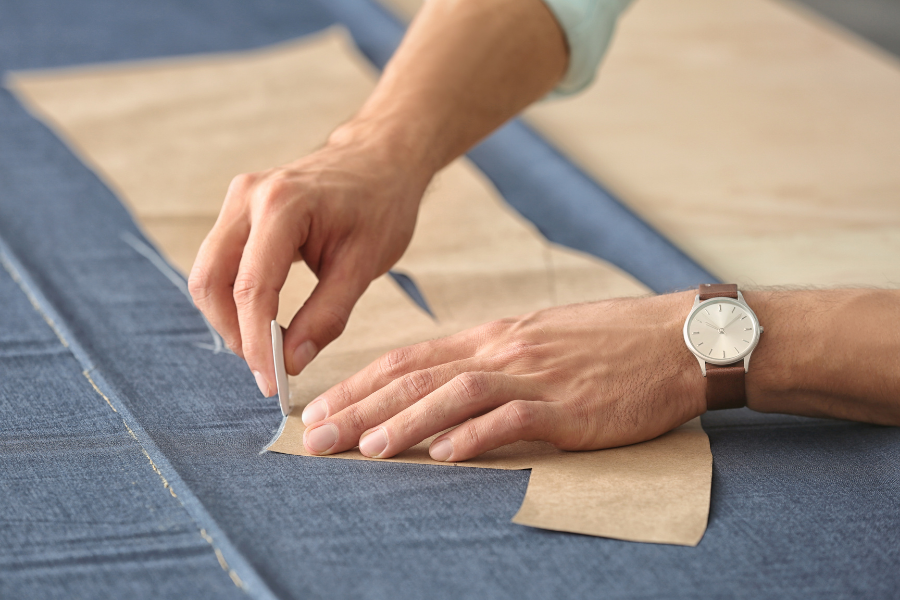
Start with the pattern envelope yardage for each dress and then add 15 percent to each number. That buffer covers cutting errors, fitting adjustments, and the occasional seam that needs to be let out. If your pattern calls for fabric matching, such as a floral print that needs to align at seams, add another 10 percent on top of that. For a party of six dresses averaging 4.5 yards each, you are looking at roughly 31 yards before any buffer. Buy 36 to 37 yards from the same dye lot. That extra 5 to 6 yards sounds like a lot, but it is insurance against the fabric being discontinued before alterations are done. Narrow fabrics (44 inches wide) require more yardage than 60-inch fabrics, so always check the width before calculating. Natural-fiber fabrics often need to be pre-washed before cutting, which can shrink the length by 3 to 5 percent, so factor that in as well.
Frequently Asked Questions
Can bridesmaids use different fabric types if the color matches?
Technically yes, but we would caution against it. Even a perfect color match between a satin and a crepe will look different in photographs because they reflect light at different angles. If you want visual cohesion in photos, the texture needs to match, not just the color. Staying within one fabric family is much safer than relying on color alone.
What is the easiest bridesmaid fabric for beginner sewists?
Matte crepe or cotton voile are the most beginner-friendly options for bridesmaid dresses. Both fabrics feed evenly through a machine, press well, and do not require special presser feet. Avoid slippery silk charmeuse or chiffon as your first formal garment project unless you have a specific plan for stabilizing and cutting those fabrics.
How much extra fabric should I buy for fitting adjustments?
Add 15 percent to your pattern envelope recommendation for each dress. If you are matching a print across seams, add another 10 percent. Buying all yardage from the same dye lot at the same time is more important than the exact amount, because going back for more risks a visible color difference in the finished garments.
Does the fabric choice affect how the dress photographs?
Yes, significantly. Fabrics with sheen, like silk satin or charmeuse, can overexpose in flash photography and wash out detail. Matte fabrics like crepe de chine or georgette hold color and detail better on camera. If photographs are a priority, ask to see fabric samples photographed under conditions similar to your venue lighting before you commit.
Is linen a good choice for bridesmaid dresses?
Linen works beautifully for relaxed outdoor or garden weddings where a slightly rumpled look fits the aesthetic. It breathes better than almost any other fabric in summer heat. The tradeoff is that linen wrinkles with wear and does not hold a formal silhouette as crisply as crepe or silk. Think about the formality of your event before choosing it.
How do I check dye lots when ordering fabric online?
Contact the retailer's customer service before placing your order and ask specifically whether the fabric is available from a single dye lot in your total yardage. A reputable shop will be able to tell you. If you are ordering from multiple shops, request swatches from each and compare them in the same lighting before cutting.
Can I mix silk and polyester fabrics in the same bridal party?
We would strongly advise against it. Silk and polyester absorb dye differently, so even the same color code will look slightly different between the two fabrics. They also behave differently in humidity and heat, meaning the dresses can look visibly different by the end of a wedding day.
Find the Right Bridesmaid Fabric at Sewing Studio
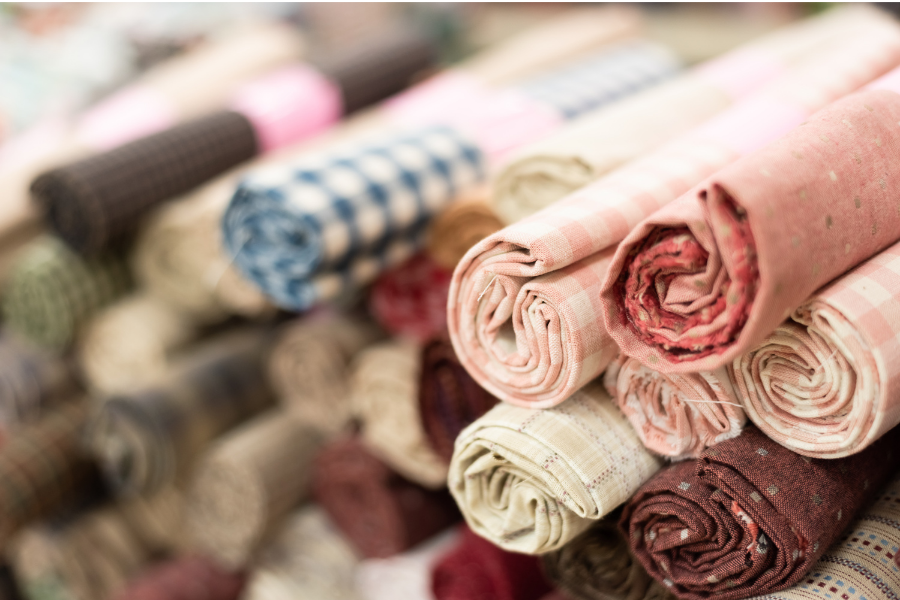
Whether you are sewing one dress or coordinating fabric for a party of eight, the right starting point is a bolt you can touch, hold up to the light, and test against the other swatches in your lineup. At Sewing Studio, we carry a curated selection of natural-fiber wovens, silk alternatives, and specialty occasion fabrics chosen with garment sewists in mind. Our team knows this category well, from dye lot questions to calculating yardage for mismatched silhouettes. Stop in and see us in Asheville, or shop our curated fabric selection at sewingstudio.com.