





Building an Intentional Capsule Wardrobe You'll Sew
Key Takeaways
- A sewn capsule wardrobe works best when every piece is planned to coordinate with several others.
- Starting with a limited color palette is the single most effective planning tool.
- Choosing a few core fabric types keeps the whole collection feeling cohesive.
- Building slowly and intentionally beats sewing a large wardrobe all at once.

A capsule wardrobe promises a lot: fewer pieces, more outfits, less decision fatigue getting dressed. Building one through sewing takes that promise a step further, since you control every fabric and fit decision from the start. Here's a framework for planning a capsule wardrobe that actually works.
What Makes a Capsule Wardrobe Work
The idea behind a capsule wardrobe is simple: a smaller number of pieces, chosen deliberately, that combine into far more outfits than the piece count suggests. The math only works, though, if every piece is planned to coordinate with several others rather than existing on its own.
This is where sewing your own capsule has a real advantage over shopping for one. When you make each piece, you control the exact color, fabric, and fit, so nothing needs to be a compromise. You're not settling for the closest available option; you're building precisely what completes the collection.
The tradeoff is that it takes planning upfront. A capsule wardrobe sewn without a plan just becomes a pile of unrelated garments, no matter how nice each one is individually.
Start With a Color Palette
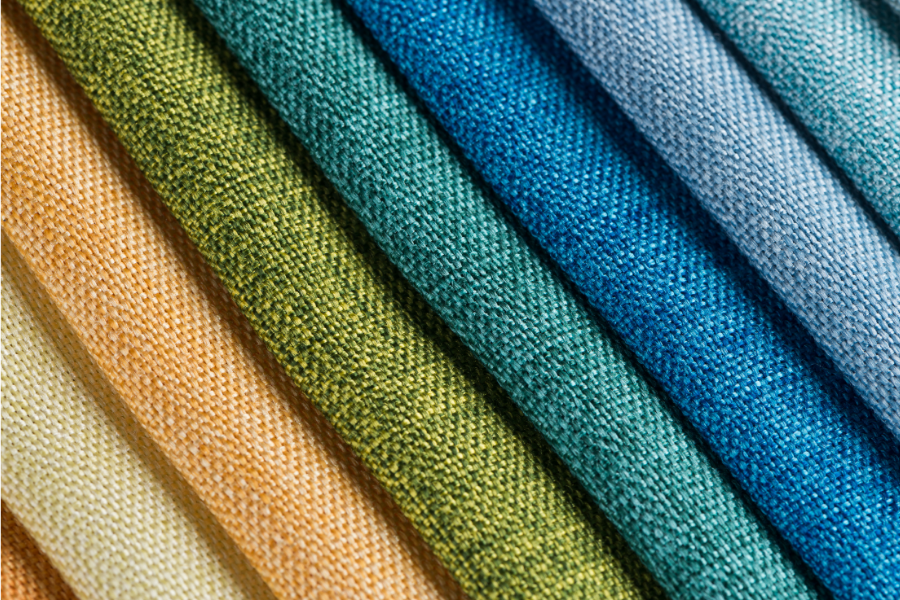
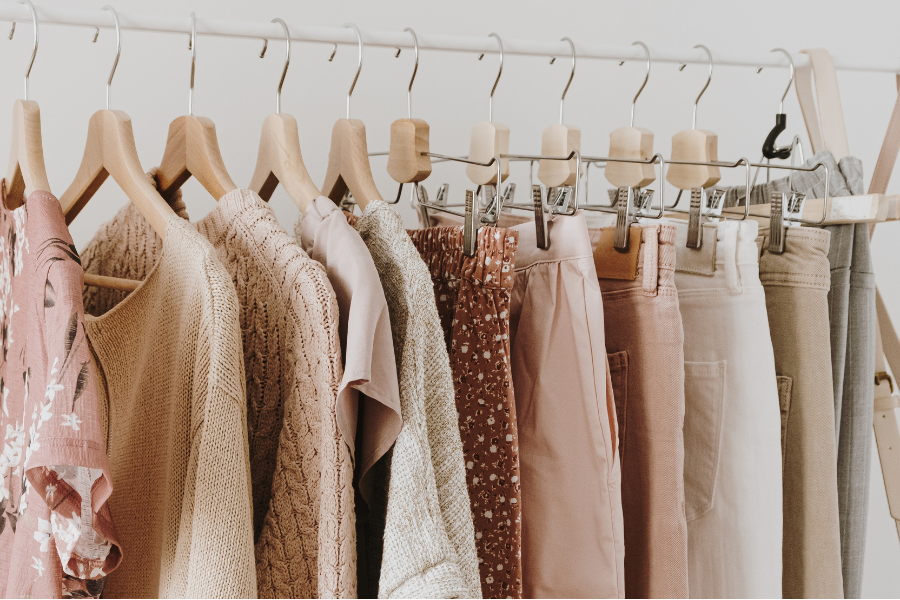
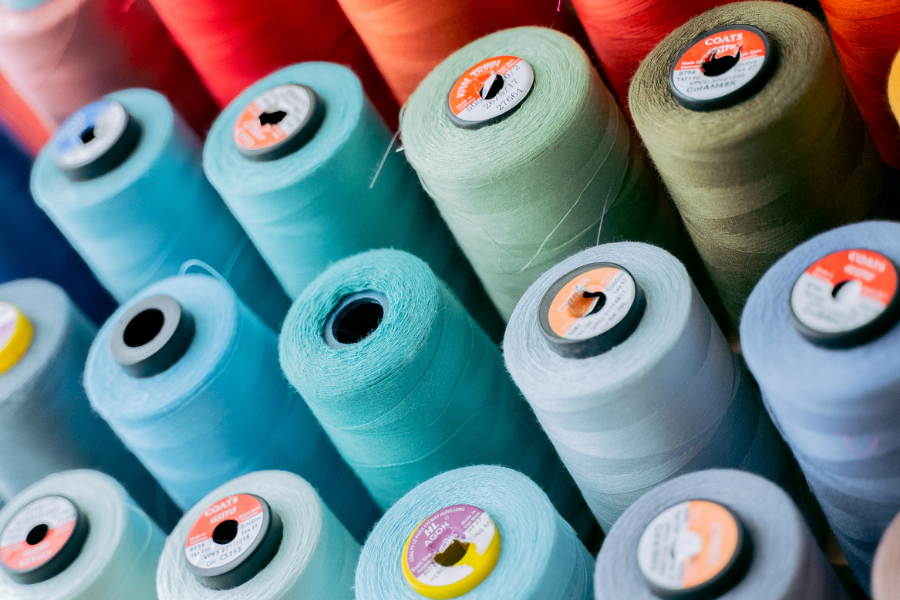
The single most useful planning tool for a capsule wardrobe is committing to a limited color palette before you choose a single pattern or fabric. Most successful capsules work with two to four core colors, often anchored by one or two neutrals plus an accent color or two.
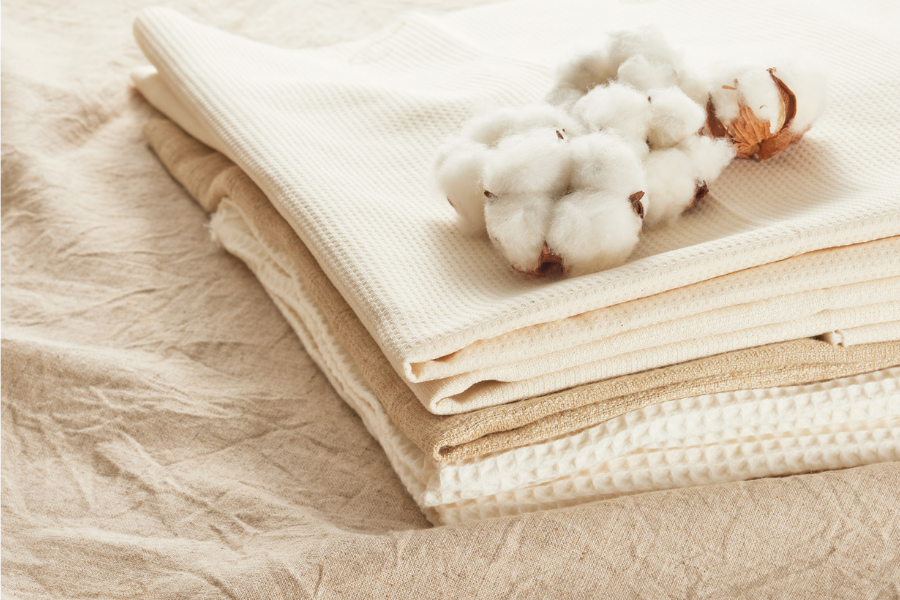
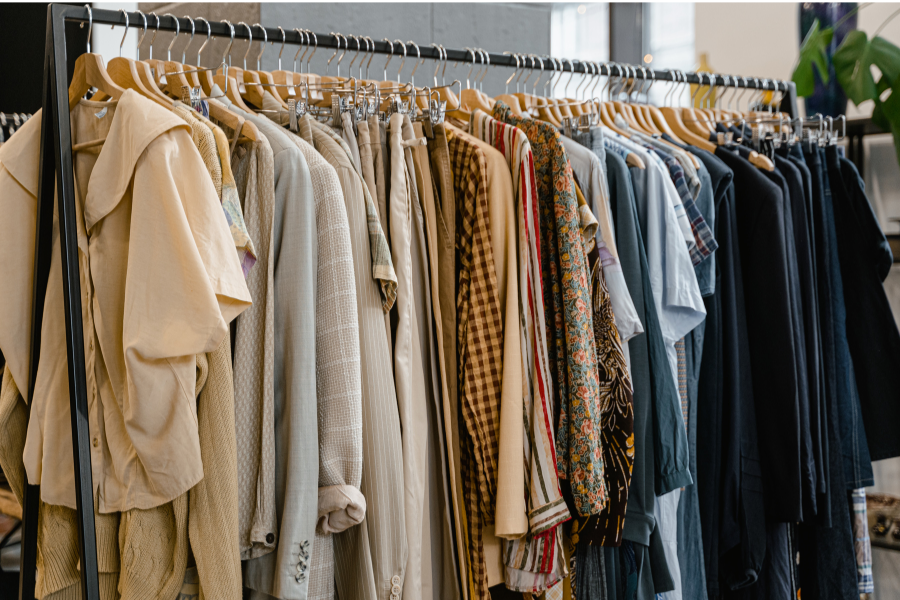
Neutrals like navy, black, cream, or a warm tan give you a flexible base that pairs with almost anything. Your accent colors add personality and visual interest without overwhelming the collection. The goal is that any top can pair with any bottom, and most pieces can layer with each other, because they all live within the same color story.
Write your palette down before you shop for fabric. It's tempting to fall for a beautiful print outside your chosen colors, and sometimes that's worth an exception, but a disciplined palette is what makes the math of a capsule actually work.
Choose a Few Core Fabric Types
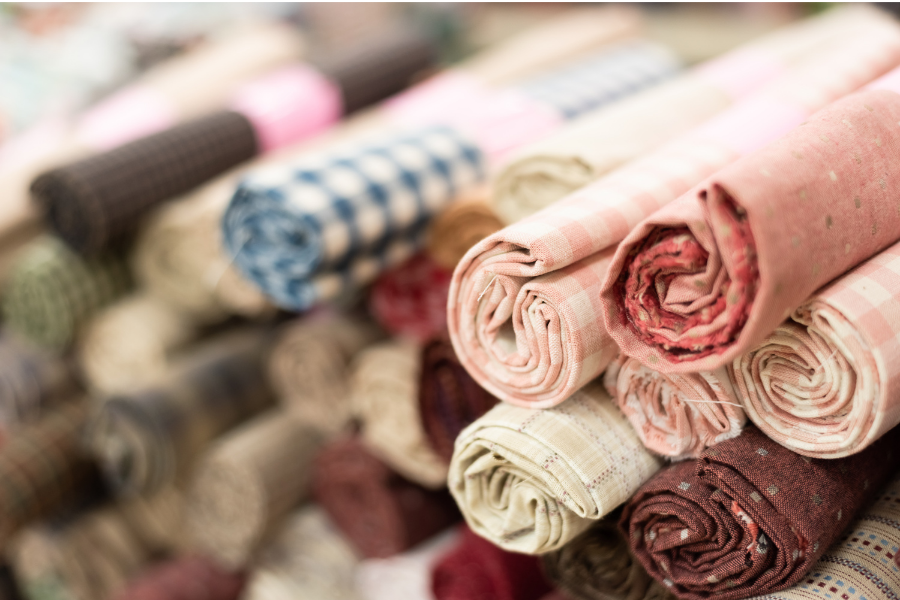
Just as color creates cohesion, so does fabric. A capsule wardrobe built from wildly different textures, drapey rayon next to stiff canvas next to slouchy knit, can feel disjointed even within a tight color palette. Choosing two or three fabric families that share a similar weight and hand keeps the collection feeling intentional.
Consider building around something like a soft rayon or viscose for flowing tops and dresses, a mid-weight cotton or linen for structured pieces and bottoms, and a stable knit for easy layering basics. Within each category, you can vary color and print while keeping the overall texture story consistent.
This doesn't mean everything needs to match perfectly. It means the fabrics should feel like they belong in the same wardrobe, which comes down to similar weights and complementary textures rather than identical fabric types.
Plan Your Pieces Before You Sew
Once your palette and fabric families are set, map out the actual garments. A useful capsule usually includes a mix of categories: a few tops, a couple of bottoms, one or two dresses, and a layering piece or two, like a cardigan or a lightweight jacket.
Think through combinations as you plan. If you're making three tops and two bottoms, that's already six outfits before you add a dress or a layering piece into the mix. This is where the capsule concept earns its keep: intentional planning multiplies your options far beyond what the piece count implies.
A few tips for this stage:
- List your patterns before buying fabric. Knowing exactly what you're making prevents overbuying fabric you won't use.
- Choose patterns with similar design details. A consistent neckline shape or silhouette family creates visual harmony across the collection.
- Sew a layering piece early. Cardigans, vests, and lightweight jackets multiply outfit combinations more than almost any other single garment.
- Leave room for one indulgent piece. A single statement fabric or bold print, chosen carefully, can add personality without derailing the whole plan.
Build Slowly and With Intention
One of the most sustainable aspects of a sewn capsule wardrobe is that you don't have to make it all at once. Building a few pieces at a time, testing how they work together, and adjusting your plan as you go is not only realistic, it often produces a better result than rushing to finish everything in a month.
This slower approach also connects naturally to broader intentional-making values: fewer garments, chosen and made with care, tend to get worn more and discarded less than a large wardrobe assembled quickly. Each piece earns its place because you thought it through before cutting into the fabric.
If you're building your first capsule, start small. A handful of coordinating pieces, worn and re-worn in different combinations, teaches you a lot about what actually works for your life before you commit to sewing a larger collection.
Frequently Asked Questions
How many pieces should be in a capsule wardrobe?
There's no fixed number, but many successful capsules include somewhere between eight and fifteen pieces across tops, bottoms, dresses, and layering items. The right count depends on your lifestyle and how many outfit combinations you want available.
What colors work best for a capsule wardrobe?
Two to four coordinating colors, usually one or two neutrals plus an accent color or two, work best. Neutrals like navy, black, or cream create a flexible base, while accent colors add personality without overwhelming the collection.
Should all the fabric in a capsule wardrobe match?
Not exactly, but the fabrics should share a similar weight and complementary texture so the collection feels cohesive. Building around a few fabric families, like a soft rayon, a mid-weight cotton, and a stable knit, achieves this without requiring identical fabrics.
Can I build a capsule wardrobe gradually instead of all at once?
Yes, and it's often the better approach. Sewing a few coordinating pieces at a time lets you test combinations and adjust your plan before committing to a full collection, which tends to produce a more cohesive and well-loved result.
What garment should I sew first for a capsule wardrobe?
A versatile top or a layering piece, like a cardigan, is a strong starting point since it pairs with almost everything else you'll add later. Starting with your most flexible piece makes planning the rest of the collection easier.
Summary
A sewn capsule wardrobe rewards planning more than any single sewing skill. Start with a limited color palette, choose a few complementary fabric families, and map out your pieces before you buy fabric or cut a single pattern. Build slowly, testing combinations as you go, rather than rushing to finish everything at once. Done with intention, a small, coordinated collection of handmade garments can genuinely replace a much larger closet, giving you more outfits, less clutter, and clothes you actually reach for every day.