

Blog: 'The Complete Guide to Noodlehead Bag Patterns — Plus Fabric Pairings'
Key Takeaways
Noodlehead patterns by Anna Graham are some of the most beloved bag and accessory patterns in the indie sewing world. They reward careful fabric selection, precise interfacing, and a willingness to slow down through structural steps. Whether you're sewing your first zippered tote or your tenth structured bag, this guide helps you choose the right materials and avoid the most common mistakes.
- Noodlehead patterns are designed by Anna Graham and cover bags, totes, pouches, and organizational accessories with clear, well-tested instructions.
- Fabric weight and interfacing choice make or break these projects — woven canvas, waxed cotton, and medium-weight linen are strong starting points.
- Most Noodlehead bags require woven non-woven interfacing like Pellon 809 or Décor Bond, not the lightweight fusible used for garments.
- Zippers, hardware, and precise cutting are the three places where sewists most often run into trouble — plan extra time for each.
- The Noodlehead community is active and generous, making it easy to find sewalongs, tips, and finished project photos before you cut into your fabric.
Who Is Anna Graham and Why Sewists Love Noodlehead Patterns
Anna Graham launched Noodlehead in the mid-2000s as a creative outlet rooted in functional, well-designed bags and accessories. Her patterns quickly earned a reputation in the indie sewing pattern world for being thorough, thoughtful, and genuinely usable in everyday life. Unlike fast-fashion bag knockoffs, a Noodlehead bag is engineered to hold its shape, survive regular use, and look intentional rather than homemade. Graham's pattern instructions lean toward the detailed side, which beginner-to-intermediate bag sewists appreciate, but her designs also have enough going on structurally to keep experienced makers engaged. Many sewists in our Asheville sewing classes mention Noodlehead as the pattern line that got them hooked on bag making.
The Most Popular Noodlehead Patterns and What Makes Each One Work
A handful of Noodlehead patterns have become true staples of the indie sewing community. The In Between Bag consistently tops lists for its versatility as a daily carry tote with a clean, structured silhouette. The Sidekick Tote is another favorite, praised for its internal organization and manageable size. The Single zip Pouch series makes an excellent starting point if you have never sewn a zippered bag before. The Akela Pack brought backpack construction into accessible territory for home sewists. Each pattern rewards a slightly different skill set: the In Between Bag asks for clean exterior seaming and careful strap placement, while the Akela Pack requires patience with curved seams and webbing hardware. Knowing which skills each pattern calls on helps you sequence your Noodlehead projects so each one builds on the last.
Best Noodlehead Pattern for Beginners
The Single Zip Pouch family is the right entry point. The construction logic is simple enough to follow without prior bag-making experience, but the finished object is polished enough to feel genuinely satisfying. Work through one small pouch before moving to a larger project so you can get comfortable with installing a zipper cleanly and pressing seam allowances in a confined space.
Best Noodlehead Pattern for Confident Sewists
The Akela Pack and the In Between Bag both offer enough structural complexity to challenge makers who have already sewn garments and simple pouches. If you enjoy fitting puzzles in garment sewing, you will appreciate the way Noodlehead's more advanced bags ask you to think about how layers interact before you ever pick up your iron.
Fabric Selection for Noodlehead Bag Patterns
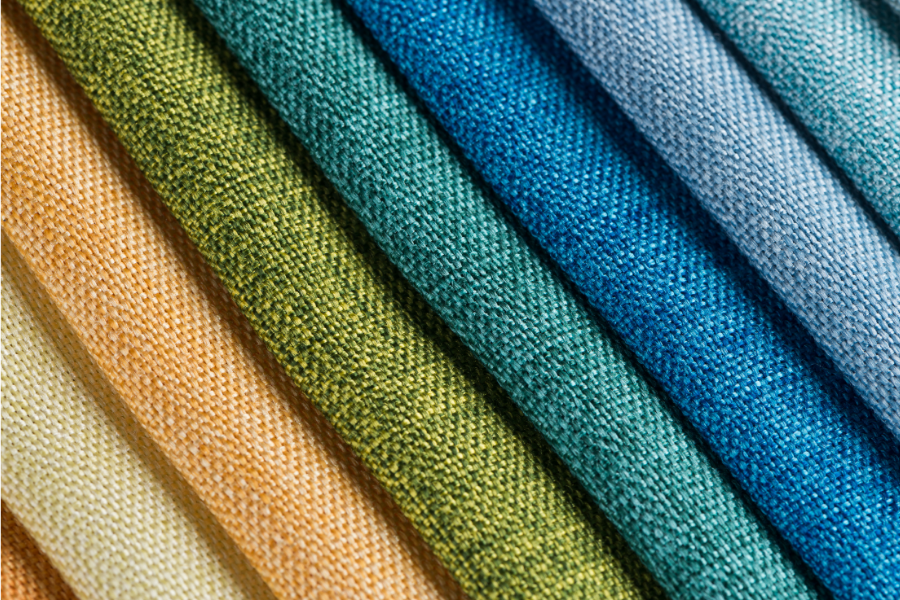
Choosing the right fabric is where many bag-making projects go sideways before a single seam is sewn. Noodlehead patterns generally call for fabrics that can hold structure, survive repeated handling, and press cleanly. Our woven canvas fabrics are a consistent favorite among bag makers for good reason: they have the body to stand up without relying entirely on interfacing, and they wear well over time. Medium-weight cotton canvas in the 7 to 10 ounce range hits the sweet spot for most Noodlehead tote patterns.
Linen is another strong choice, especially for the exterior of bags where you want a more refined texture. A 5 to 6 ounce European linen paired with a firm interfacing reads as polished and professional. The tradeoff with linen is that it frays readily, so you need to finish all raw edges carefully and may want to increase your interfacing weight by one step to compensate for linen's natural drape. Waxed cotton is a favorite for exterior panels when you want water resistance without synthetic materials, though it does not press with an iron, which means you will rely on finger-pressing and clips rather than pins and a hot iron. Browse our specialty fabric selection if you want to explore waxed options.
What to Avoid
Quilting cotton is the most common mistake in bag making. It feels sturdy on the bolt but lacks the durability and body that bag construction demands, even when interfaced. Lightweight apparel fabrics like lawn or voile are not appropriate for exteriors, though they can work beautifully as lining fabrics where softness matters more than structure. Stretch fabrics are generally incompatible with Noodlehead patterns, which are drafted for wovens only.
Interfacing: The Step Most Sewists Rush and Regret
Interfacing is not glamorous, but it is arguably more important than your exterior fabric choice when it comes to how a finished Noodlehead bag looks and behaves. The pattern instructions will specify interfacing weights, and Anna Graham is clear about what she uses. Following her recommendations is worth doing at least once before you start substituting. The most commonly recommended options for Noodlehead projects are Pellon 809 Décor Bond and Pellon SF101 Shape-Flex, each serving a different role. Décor Bond adds firm structure to exterior panels, while Shape-Flex adds stability without stiffness and is better suited to straps and smaller components.
The fusing process matters as much as the product you choose. The Textile and Apparel Technology Management program at NC State University has published research showing that adhesive bond strength in fusible interfacings depends heavily on dwell time and consistent pressure, not just iron temperature. In practical terms: hold your iron in place for a full 10 to 15 seconds per section, use a damp press cloth, and let the fused piece cool completely flat before moving it. Rushing any of those steps leads to bubbling and delamination, especially in areas that flex during use like bag bottoms and strap bases.
Hardware, Zippers, and Notions Worth Getting Right
Noodlehead patterns frequently call for specific hardware types: swivel hooks, D-rings, magnetic snaps, and metal zipper pulls. Using the specified hardware matters both aesthetically and structurally. Cheap alloy hardware corrodes and can fail at stress points. Look for hardware labeled solid brass or nickel-plated solid brass rather than zinc alloy, especially for any component that carries weight. The Craft Industry Alliance has covered hardware quality in bag making as part of broader discussions about maker business standards, noting that hardware sourcing is where experienced bag makers most often differentiate their work from entry-level results.
Zippers deserve their own paragraph. Anna Graham's patterns are zipper-heavy, and the quality of your zipper installation sets the tone for the entire project. YKK is the industry standard for a reason: consistent tape width, reliable pulls, and smooth operation even in thick fabric sandwiches. Our zipper selection includes YKK options in a range of lengths and coil weights suited to Noodlehead projects. For bags with exposed zippers, a metal-tooth zipper reads as more finished than a coil zipper. For interior pockets, coil zippers are quieter and lighter. Stock both before you start cutting fabric.
Where to Find the Noodlehead Sewing Community
One of the best things about sewing a Noodlehead pattern is that you are not doing it alone. The community around these patterns is genuinely helpful. Instagram hashtags like #noodleheadpatterns surface thousands of finished projects with notes on fabric choices and modifications. The Noodlehead tag on Instagram is searchable even without an account. Anna Graham maintains a blog and has published detailed sewalongs for her most popular designs. The indie sewing pattern community on Substack, including writers like Sewing Republic, regularly features finished Noodlehead projects with honest assessments of difficulty and fabric performance. Looking at finished project photos before you cut is not cheating; it is smart planning.
If you are local to Western North Carolina, our Asheville sewing community includes makers who have sewn multiple Noodlehead projects and can show you their finished bags in person. Seeing the scale and structure of a finished In Between Bag before you start yours answers questions that no written description can fully address. We also stock a rotating selection of indie sewing patterns in the shop, so you can pick up a Noodlehead pattern alongside your fabric and interfacing in a single visit.
Frequently Asked Questions
Are Noodlehead patterns suitable for beginners?
The simpler pouch patterns are genuinely beginner-friendly, especially if you have basic sewing machine experience. The larger tote and backpack patterns are better approached after you have completed at least one zippered project. Anna Graham writes clear instructions, but bag construction does require comfort with pressing, clipping curves, and working through thick layers at stress points.
Where can I buy Noodlehead patterns?
Noodlehead patterns are available as PDF downloads directly from Anna Graham's website and through select independent sewing shops. We carry a curated selection of indie patterns including Noodlehead in our Asheville shop and online. PDF patterns mean you can print at home and start cutting the same day you purchase.
What interfacing does Noodlehead recommend?
Most Noodlehead patterns specify Pellon products, commonly Décor Bond for exterior structure and Shape-Flex for lighter applications. Always read the materials list in your specific pattern before purchasing interfacing, since recommendations vary between designs. Substituting a lighter interfacing than specified is the single most common reason a finished bag looks soft or unstructured.
Can I use quilting cotton for a Noodlehead bag exterior?
Technically yes, but the result will almost always disappoint. Quilting cotton lacks the durability and body that bag construction demands, and even heavy interfacing cannot fully compensate for its lightness. Canvas, mid-weight linen, or waxed cotton will give you a finished bag that holds its shape and wears well over time. Save quilting cotton for lining fabric where softness is an asset.
How long does a Noodlehead bag take to sew?
A simple pouch might take two to three hours including cutting, fusing, and finishing. A structured tote like the In Between Bag typically takes six to ten hours spread across multiple sessions. The Akela Pack can run twelve hours or more for a careful first-time construction. Rushing bag making produces visible results, so building in extra time is always worth it.
Do Noodlehead patterns require special feet or tools?
A zipper foot is essential for any Noodlehead project involving zippers, which is most of them. A walking foot helps when stitching through multiple layers of interfaced canvas. University of Minnesota Extension's guide to presser feet offers a clear overview of foot types and their applications. Rotating cutting mats, metal rulers, and sharp rotary blades make the precision cutting these patterns require significantly easier.
What is the best Noodlehead pattern for a gift?
The Single Zip Pouch in a larger size makes an excellent gift because it is universally useful and finishes quickly enough to feel achievable. The Sidekick Tote is a strong choice for someone who carries a lot daily. Both projects let you choose fabrics that suit the recipient's taste, which makes a handmade bag feel genuinely personal rather than generic.
Are Noodlehead patterns true to size?
Bag patterns do not size the way garment patterns do, but finished dimensions are listed clearly in each Noodlehead pattern. Compare those finished measurements to bags you already own and use before you commit to a size. A bag that looks large in photos may be smaller than your current daily carry, or the reverse. Checking finished measurements is the easiest way to avoid disappointment.
Pick Up Your Noodlehead Fabric and Get Sewing
Noodlehead patterns reward good materials and patient construction, and finding both in one place makes the whole process more enjoyable. We have stocked our shelves with canvas, linen, specialty fabrics, interfacing, YKK zippers, and quality hardware specifically because our customers are working on exactly these kinds of projects. If you are not sure which canvas weight to pair with the In Between Bag or which interfacing to grab for the Akela Pack, our staff can walk you through it. We have sewn these bags, and we know what works. Shop our curated fabric selection at sewingstudio.com or visit us in Asheville.