

beginner sewing patterns
Key Takeaways
Beginner sewing patterns work best when they limit the number of pattern pieces, avoid complex closures, and use fabrics that don't shift or fray aggressively. Choosing the right starting pattern is just as important as choosing the right fabric. A well-matched beginner project builds confidence fast and sets you up for the next skill level.
- Look for patterns labeled A0 or "beginner" with fewer than 10 pattern pieces and minimal fitting adjustments.
- Woven cotton and linen are the most forgiving fabrics for first-time garment sewing.
- Indie designers like True Bias, Grainline Studio, and Closet Core publish beginner-friendly options with clear, modern instructions.
- Starting with a pull-on style (no zipper, no button band) dramatically reduces frustration on your first project.
- Sizing up slightly on your first run of a new pattern gives you room to fit and adjust without wasting fabric.
What Makes a Sewing Pattern Actually Beginner-Friendly
The word "beginner" gets used loosely in the sewing world. A big-four pattern company might label a project beginner simply because it has few pieces, even if those pieces require easing or clipping curves that no one explained to you. A truly beginner-friendly pattern does a few specific things: it keeps piece count low, uses straight or gently curved seams, avoids fussy closures, and comes with instructions written for someone who does not already know what "staystitch the neckline" means. Indie pattern designers tend to do this better than legacy companies, partly because their customer base communicates directly with them online and pushes them to write clearer instructions.
Piece Count and Construction Sequence
A pattern with 6 to 10 pieces is a reasonable starting point. The Grainline Studio Linden Sweatshirt has 7 pieces and introduces knit sewing without overwhelming you. The True Bias Marlo Tee runs similarly lean. Low piece count does not automatically mean easy, though. A 5-piece pattern that requires setting in a sleeve is harder than a 10-piece pattern where every seam is straight. Read through the instruction booklet before you buy. If step 3 assumes you already know a technique that was never introduced, that pattern is not written for beginners regardless of what the cover says.
Closures and Fitting Complexity
Invisible zippers, bound buttonholes, and tailored collars are the three fastest ways to end a beginner's enthusiasm. Save those for your fifth or sixth project. Your first few patterns should close with elastic at a waistband, a simple exposed zipper, or no closure at all. Pull-on pants, elastic-waist skirts, and pullover tops all sidestep closure complexity entirely. On the fitting side, patterns drafted with some ease built in (rather than very close-to-body silhouettes) give you more room to wear the finished garment even if your seam allowances wander by a quarter inch.
The Best Fabric Choices for Your First Pattern
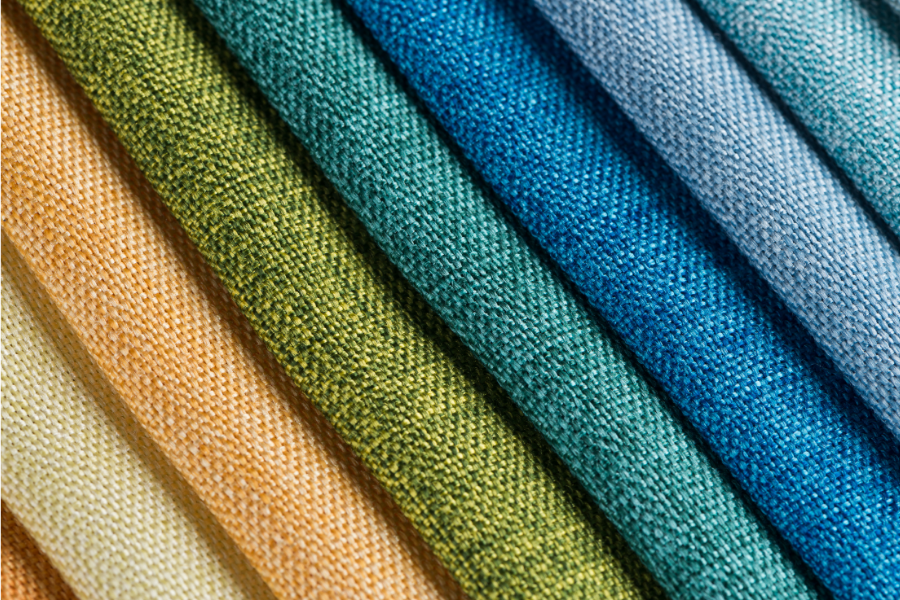
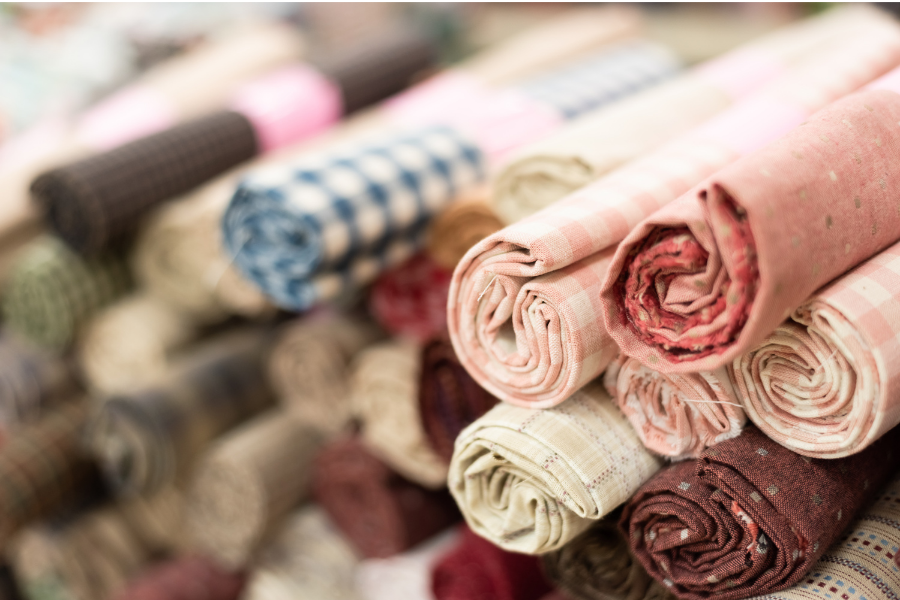
Fabric choice changes how hard or easy a beginner pattern actually is to sew. A slippery charmeuse or a loosely woven linen can make a simple pattern feel advanced because the fabric itself fights you at every step. Cotton quilting fabric, cotton lawn, a stable medium-weight linen, and cotton-modal blends are all genuinely forgiving. They press crisply, fray predictably, and stay put while you sew. They also show your stitch line clearly so you can see whether you are holding a consistent seam allowance.
Why Stable Wovens Work So Well
A stable woven fabric does not stretch on the bias the way a loosely woven fabric does. When you are learning to stay on a seam line, you want the fabric to cooperate. Cotton poplin, cotton chambray, and a medium-weight cotton-linen blend all behave well under the presser foot. At Sewing Studio Fabrics we stock a range of these in our Asheville shop and online. They are also affordable enough that cutting a muslin from a similar weight fabric before cutting your fashion fabric is not a hardship. That practice muslin step alone saves most beginners from a frustrating fit surprise on their first wearable garment.
When to Avoid Knit Fabrics Early On
Knit fabrics require a stretch stitch or a serger, and they curl at the cut edges, which makes handling them trickier than flat wovens. That said, a stable interlock knit or a cotton-modal jersey is more forgiving than a slippery four-way-stretch fabric. The Marlo Tee by True Bias is specifically drafted for knits and the instructions walk you through the process clearly enough that it is a reasonable second or third project. For your very first pattern, though, a woven fabric with no stretch keeps one variable out of the equation.
Indie Designers Worth Knowing for Beginner Patterns
The indie sewing pattern community has produced some of the clearest, most thoughtfully designed beginner options available anywhere. These designers write instructions for real home sewists, photograph construction steps, and often include seam allowance measurements printed directly on the pattern pieces. Knowing a few names gives you a shortcut when you are searching for your next project. You can browse the full range of sewing patterns online to compare designers and styles side by side before committing.
Three Designers to Start With
Grainline Studio (Jenny Rushmore's original company, now expanded) produces patterns like the Scout Tee and Sturt Dress that are reliably beginner-appropriate. True Bias by Kelli Ward covers tops, pants, and knit basics with unusually clear instructions. Closet Core skews slightly more intermediate but their Kalle Shirt is documented so thoroughly online that a confident beginner with a few YouTube tutorials can pull it off. All three publish size ranges that accommodate a wide variety of bodies, which matters for fit confidence early on.
What to Look for in the Instructions
Before buying any pattern, check whether the company posts a sample of their instruction booklet online. Good beginner instructions define terms the first time they are used, include a diagram for every construction step rather than assuming visualization, and tell you why you are doing each step, not just what to do. Instructions that say "ease the sleeve cap and sew" without explaining what easing looks like or why it matters are not beginner instructions, regardless of the skill label on the envelope.
Common Mistakes Beginners Make With New Patterns
Even with the right pattern and the right fabric, a few consistent errors trip up new sewists at the construction stage. Understanding these in advance helps you slow down at the moments that matter most. The most common ones: skipping the pressing step between seams, cutting fabric without checking grain line placement, and sewing the entire garment before trying it on for a fit check. Each of these is fixable, but each one costs more time to correct than it would have taken to avoid in the first place.
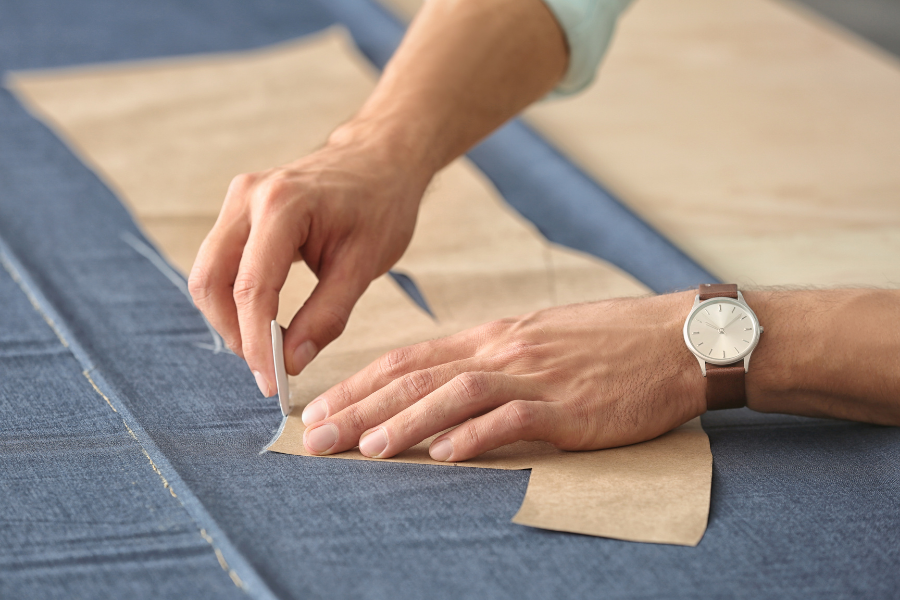
Pressing each seam after you sew it is not optional for a clean finish. A dry iron or a clapper pressed against the seam immediately after sewing flattens the stitches and sets them. Skipping this step makes the finished garment look home-made in the unflattering sense. On grain line placement: the grain line arrow on your pattern piece must run parallel to the selvage edge of your fabric. Even a small angle off-grain makes the finished piece hang crooked in a way that fitting adjustments cannot fix. And on fit checks: baste-stitch the side seams before final sewing and try the garment on. Ten minutes of basting can save two hours of seam ripping.
Frequently Asked Questions
What is the easiest type of garment for a beginner sewist to make?
A pull-on elastic-waist skirt or a simple pullover top with no collar and no zipper are the easiest starting points. Both have few pattern pieces, require no fitting hardware, and can be completed in a single sewing session. A tote bag is even simpler if you want to practice seams before moving to garments.
Are big-four patterns (Simplicity, McCall's, Butterick) good for beginners?
They can be, but read the instructions carefully before assuming the "Easy" label is accurate. Big-four patterns sometimes use older sewing terminology and assume more prior knowledge than indie patterns do. Their sizing also runs differently from ready-to-wear, so measure and compare to the size chart rather than grabbing your usual size.
Do I need a serger to sew beginner patterns?
No. A basic sewing machine with a zigzag stitch handles the seam finishing that a beginner pattern requires. A serger speeds up the process and gives a cleaner raw-edge finish, but it is an additional investment you can skip when you are starting out. Many experienced sewists sew garments entirely without a serger.
How do I know what size to cut from a sewing pattern?
Measure your full bust, waist, and high hip, then compare to the size chart printed on the pattern. Sewing patterns size by body measurement, not by ready-to-wear size. Many people cut different sizes at the bust and hip and blend the lines between them. Cutting slightly larger on your first run gives you seam allowance to take in if needed.
What is a muslin and do beginners really need to make one?
A muslin is a test version of your pattern sewn in cheap fabric before cutting into your fashion fabric. For fitted garments, yes, it is worth making. For simple elastic-waist or very loose-fitting styles, you can often skip it. The more fitted the garment or the more expensive your fashion fabric, the more a muslin makes sense.
Can I use quilting cotton for garment sewing?
Yes, and it is actually a good choice for many beginner projects. Quilting cotton is stable, presses well, and comes in endless prints and colors. It is lighter weight than apparel cotton shirting, so it works best for looser styles like gathered skirts or relaxed tops rather than structured shirts or trousers that need more body.
Where can I find beginner sewing patterns online?
Indie designer websites, Etsy shops run by pattern designers, and curated fabric shops that stock patterns alongside fabric are reliable sources. Look for stores that organize patterns by skill level and carry multiple designer lines so you can compare options. Avoid PDF pattern aggregator sites that sell patterns from multiple designers without clear licensing, as quality and instruction clarity vary widely.
Pick Your First Pattern and Start Sewing Today
The best beginner sewing pattern is the one that matches your skill level honestly, pairs well with a fabric you can actually handle, and produces something you want to wear. That combination is more specific than any generic "beginner" label. Start with a pull-on silhouette, choose a stable woven cotton or linen, and pick a designer whose instructions read clearly to you. Give yourself one muslin if the fabric is precious. Press every seam. Try the garment on before you finish the seams permanently. Those five habits will carry you through your first ten projects with far less frustration than trial and error alone. Browse our full range of sewing patterns online or visit us in Asheville to find exactly the right starting point for your first make.
```