




Age-Appropriate Sewing Projects for Young Crafters
Key Takeaways
Matching a sewing project to a child's age and skill level keeps frustration low and confidence high. The right first project uses forgiving fabric, big stitches, and a clear finish line. Start with hand sewing before moving to the machine, and always prioritize projects the child actually wants to make.
- Hand sewing comes before machine sewing for kids under 8, building muscle memory and respect for the needle.
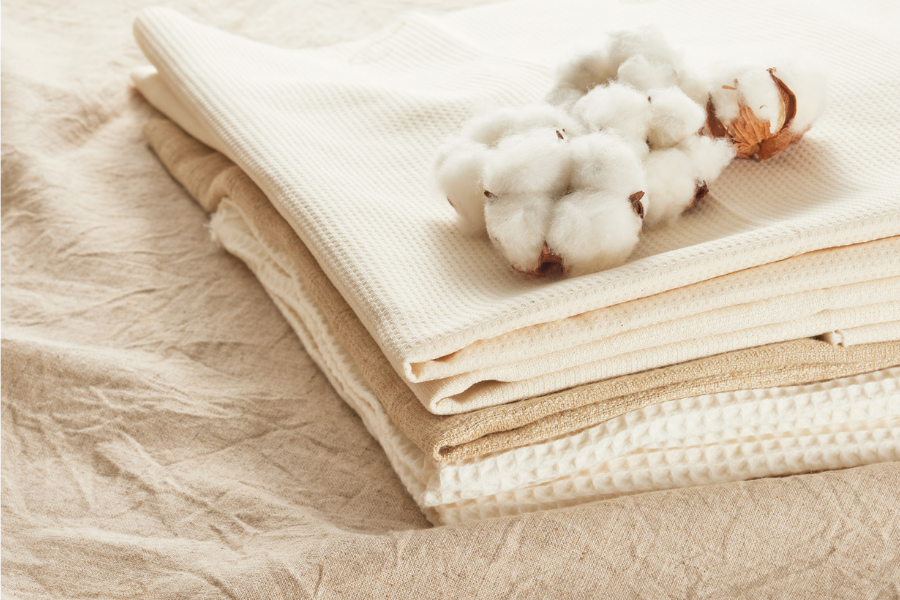
- Woven cotton is the most beginner-friendly fabric because it does not stretch, ravel quickly, or pucker under pressure.
- Projects with fewer than four steps and a visible result within one sitting work best for ages 5 through 10.
- Tweens and teens benefit from pattern reading and basic fitting skills, not just straight seams.
- The best projects connect to something the child already loves, whether that is a favorite animal, a video game character, or a sport.
Why Project Choice Matters More Than Age Charts
You will find plenty of age-range charts online that claim a 7-year-old should sew a pillowcase and a 12-year-old should sew a zipper pouch. Those charts are a starting point, not a rule. A child who has never threaded a needle at age 11 needs the same foundational work as a 6-year-old picking up fabric for the first time. What actually determines success is whether the project matches the child's current fine motor control, attention span, and emotional investment. A bored kid who does not care about the finished object will not push through a tricky seam. An excited kid who desperately wants a stuffed shark will sit at that table for two hours without complaint. So before reaching for a project list, ask the child what they want to make. Then back into the skills from there.
Ages 4 to 7: Big Needles, Simple Shapes, Immediate Payoff
Children in this age group are still developing the pincer grip and hand-eye coordination that precise sewing demands. The goal here is not technique. It is joy, curiosity, and a finished object they can hold up and say "I made this." Plastic tapestry needles threaded with yarn and pre-punched felt pieces are the safest entry point. Felt does not fray, it comes in bright colors, and it cuts cleanly with child-safe scissors. A simple felt sandwich stuffed with polyester fiberfill takes about 20 minutes and produces a tangible result.
Good first projects for this age group
- Felt food items like a slice of pizza or a strawberry
- A small felt pouch sewn around three sides with yarn
- A bookmark made from two layers of felt with a running stitch border
- A simple sock puppet using an old sock, felt scraps, and fabric glue for anything fiddly
Avoid anything with curves, points, or turning right-side-out at this stage. Those techniques require spatial reasoning that clicks later. Keep every session short, between 15 and 30 minutes, and celebrate the finish loudly. The habits you build here, like threading a needle, knotting the end, and keeping stitches moving in one direction, will carry forward for years.
Ages 8 to 11: Moving to the Machine With Woven Cotton
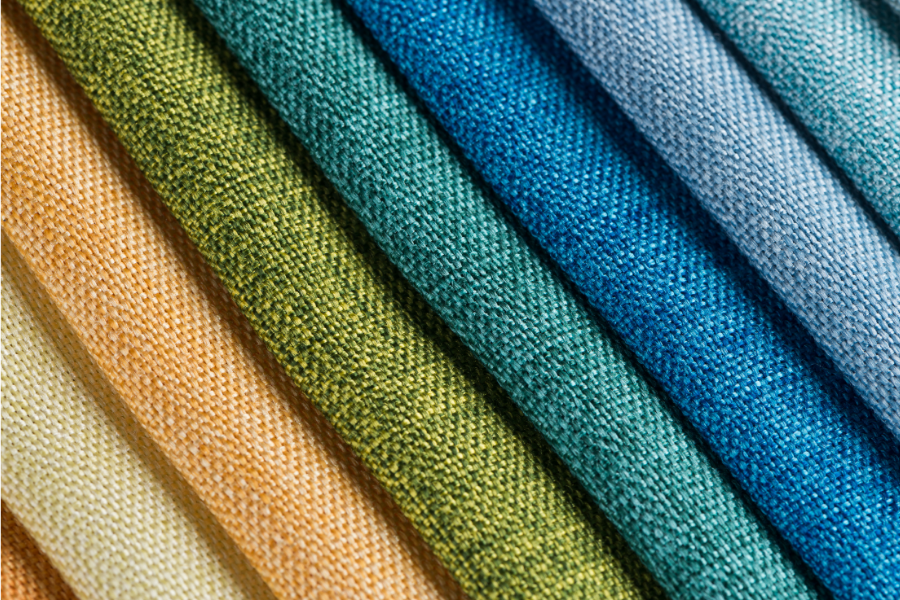
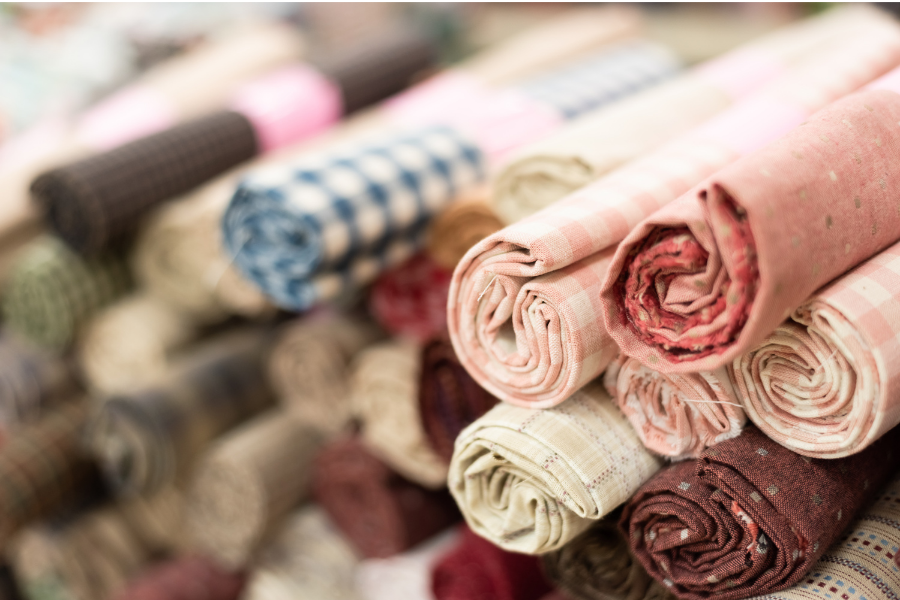
This is the window where most children are ready to sit at a sewing machine under close supervision. Their attention spans have grown, their fine motor skills are sharper, and they can follow multi-step instructions. The fabric you choose at this stage matters as much as the project itself. Quilting cotton, like the prints you will find at Sewing Studio Fabrics, is the standard recommendation for beginning machine sewists because it feeds evenly, presses flat, and does not stretch sideways when you are trying to keep a straight seam. Avoid knit fabrics, slippery rayons, and anything with a pile or nap until the child has 10 to 15 hours of machine time.
Projects that build real technique
A zippered pencil pouch introduces one of the most useful closures in sewing without overwhelming a new machine user. Choose a nylon coil zipper in a matching color and walk through each step at the table before starting. Tote bags are another reliable choice because they involve straight seams, a simple handle attachment, and a flat bottom that teaches box corners. Both projects finish in a single session of about 90 minutes, which keeps a child from losing the thread of what they were building. If the child wants something wearable, an elastic-waist skirt cut from two rectangles of quilting cotton is a smart bridge: it involves measuring, cutting, sewing two side seams, casing an elastic waistband, and pressing. That is five distinct skills in one project.
Ages 12 and Up: Patterns, Fitting, and Creative Ownership
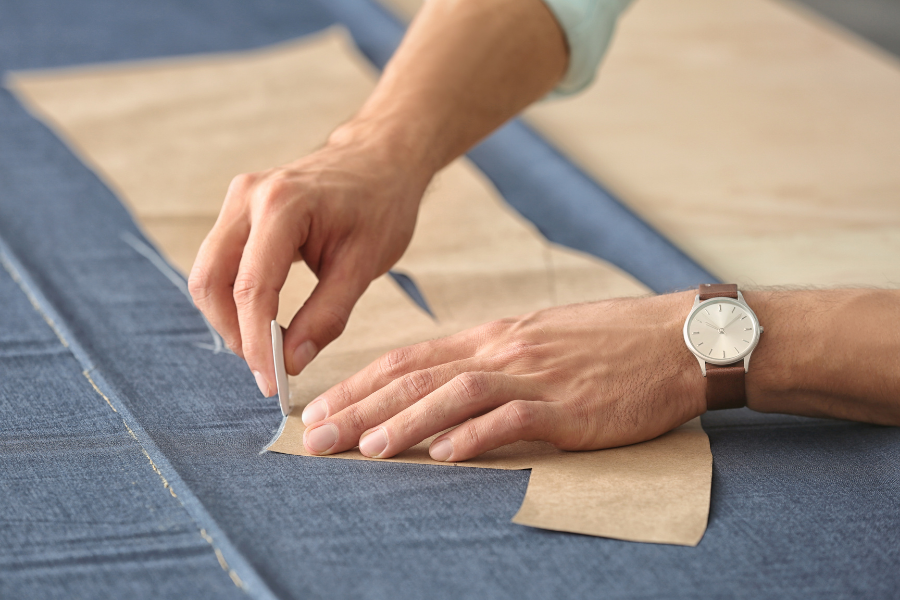
Teenagers who sew are a different category entirely. They are often driving their own projects, researching patterns on Instagram, and forming opinions about which designers they like. This is the stage to introduce indie sewing patterns from designers like Grainline Studio or True Bias, both of which offer beginner-labeled patterns with clear instructions and modern silhouettes that teens actually want to wear. Pattern reading, grain line placement, and basic fitting adjustments are the skills to focus on here. A sweatshirt or a pair of wide-leg pants in a mid-weight cotton or cotton-modal blend is a satisfying first garment project because it is casual enough that imperfect seams are not visible, but structured enough to teach real construction order.
What to tackle and what to save for later
At this stage, avoid slippery silks and lightweight rayons until the teen has a few confident garment finishes. Seam finishing matters now, and it is worth taking the time to explain why: unfinished seams on a worn garment will ravel in the wash within a few months. A simple zigzag stitch or a serger finish on each seam allowance is a habit that pays off for life. If the teen is interested in fitting, a dart-fitted bodice in a stable woven fabric is an excellent project. It is worth noting that fitting is genuinely hard, even for experienced sewists, so set that expectation clearly. The goal is understanding why the adjustment works, not achieving a perfect fit on the first try. Connecting a teen with a local class can make a real difference here. Our sewing classes asheville program offers age-appropriate instruction in a space designed for makers at every level.
Frequently Asked Questions
What is the best fabric for a child's first sewing project?
Felt is the top choice for hand sewing because it does not fray and requires no hemming. For machine sewing, a medium-weight quilting cotton in a fun print works well. Avoid stretchy fabrics, slippery linings, and anything labeled dry-clean only until a young sewist has the basics down.
At what age can a child use a sewing machine safely?
Most children are ready for machine sewing around age 7 or 8, with close adult supervision. The key factors are the ability to follow multi-step instructions and the foot-eye coordination to stop the machine when the needle approaches their fingers. Every child develops at a different pace, so readiness matters more than the number.
Do children need their own sewing machine?
Not at the start. Sharing a household machine under supervision is perfectly fine for beginners. If a child is sewing regularly and independently, a simple mechanical machine with a knee or foot control, rather than a computerized model, reduces frustration. Budget around $150 to $250 for a reliable entry-level machine from Brother or Singer.
How do I keep a young sewist from getting frustrated?
Choose projects that finish in one sitting. Frustration usually comes from a project dragging on across multiple sessions with no visible progress. Also, avoid ripping out stitches repeatedly in front of a beginner. Save the seam ripper lesson for once they are comfortable, and frame mistakes as normal parts of the process.
What thread weight should kids use?
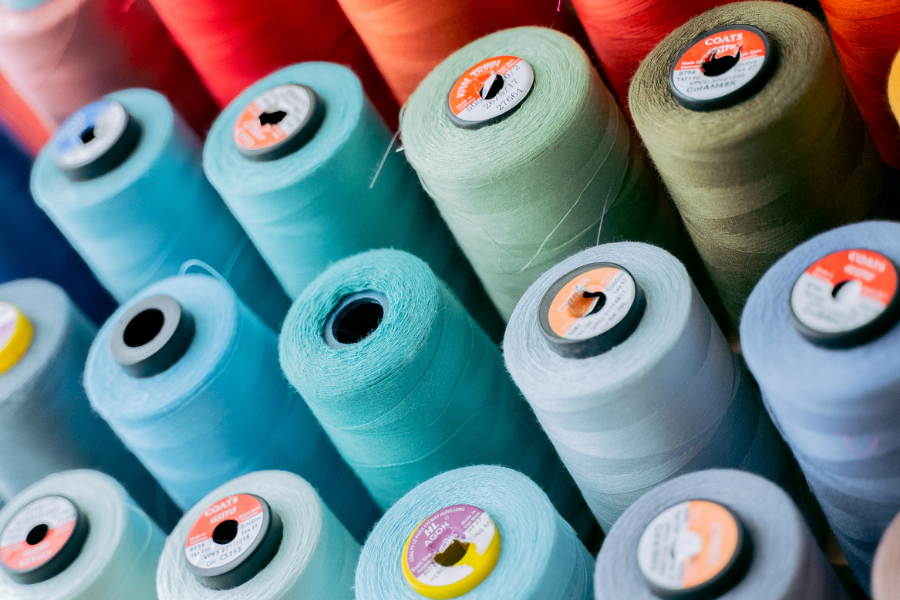
An all-purpose 50-weight cotton or polyester thread in a contrasting color is easiest for beginners because they can see every stitch clearly. Matching thread is harder to troubleshoot. Gutermann and Coats and Clark are both widely available and perform consistently for beginner projects.
Are indie sewing patterns suitable for teen beginners?
Yes, many indie pattern companies publish beginner-rated patterns with clear illustrations and modern designs. Grainline Studio's Scout Tee and True Bias's Marlo Tee are two well-regarded starting points. Teens tend to stay motivated when they are making something they would actually choose to buy in a store.
Can children sew garments that fit properly?
Absolutely, with the right pattern choice. Elastic waistbands, drop-shoulder silhouettes, and loose-fit tops avoid complex fitting entirely. Children can graduate to fitted garments once they understand grain lines and basic seam allowances. A trusted adult who sews can help with fitting, but the child should do the actual sewing work.
Start Their Sewing Journey With the Right Materials and Guidance
The biggest gift you can give a young sewist is the right project at the right moment, paired with fabric that behaves. A felt food set for a 6-year-old, a zippered pouch in cheerful quilting cotton for a 9-year-old, and a proper indie pattern for a 14-year-old who wants to make their own wardrobe: each one meets a child where they are. Skilled guidance speeds everything up, and community makes it more fun. Browse our curated fabric selection at sewingstudio.com or visit us in Asheville to find everything a young maker needs to get started.