




Age-Appropriate Sewing Projects for Young Crafters
Key Takeaways
Matching a sewing project to a child's age and motor development sets them up for success, not frustration. Start with hand sewing before moving to a machine, choose forgiving fabrics like quilting cotton, and build confidence with small finishable projects before tackling anything with zippers or set-in sleeves.
- Ages 4-6 do best with hand sewing on burlap or felt using blunt needles and yarn
- Ages 7-10 can handle simple machine sewing with straight seams on quilting cotton
- Ages 11-14 are ready for beginner garment patterns with elastic waists and simple closures
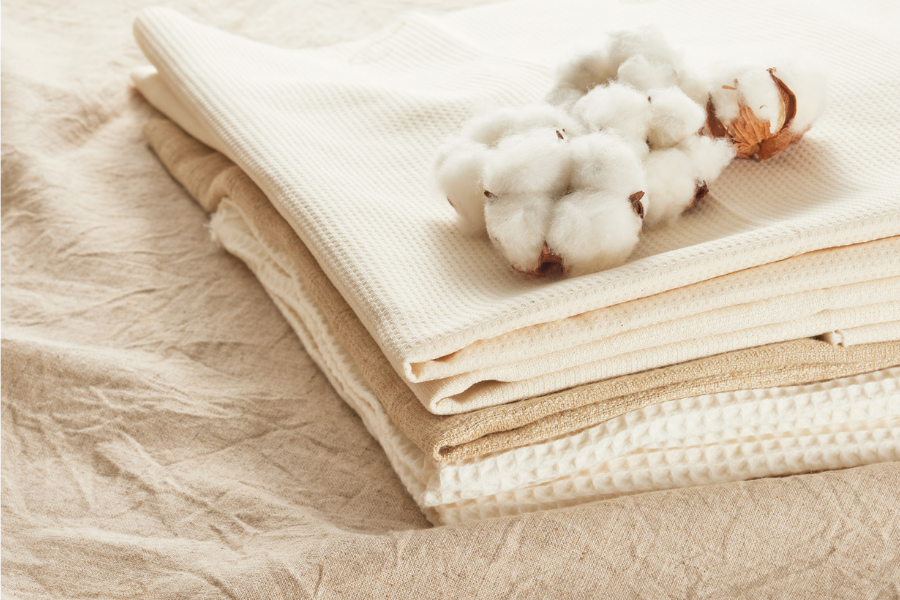
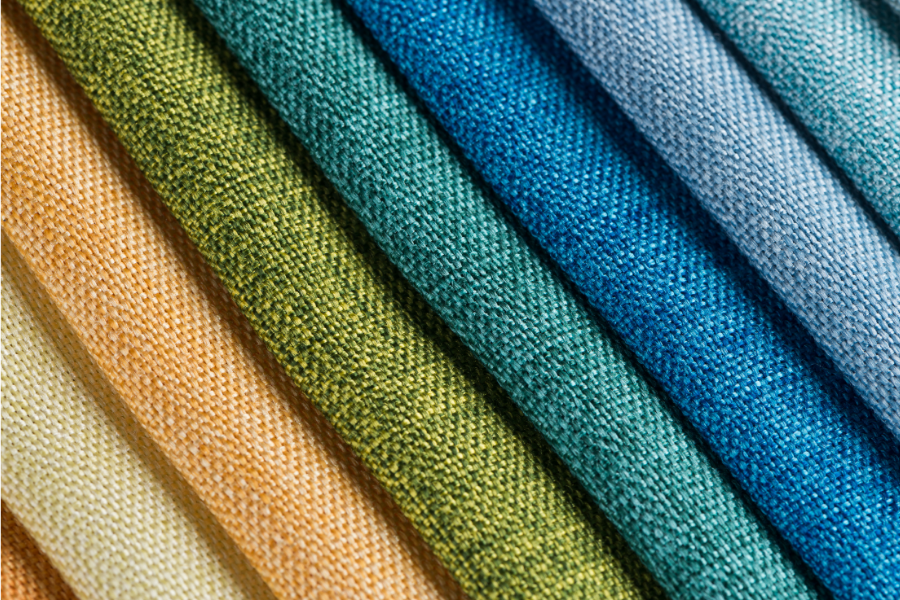
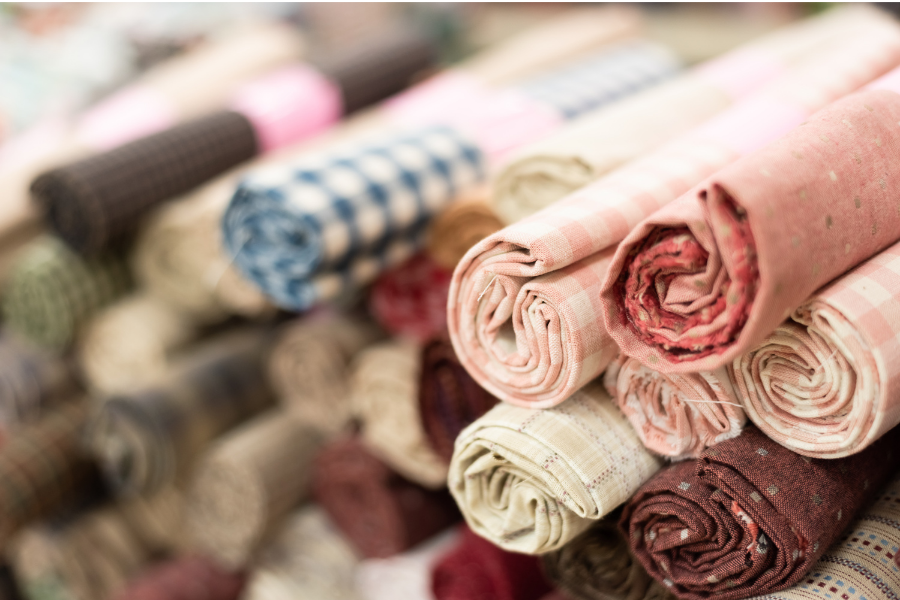
- Natural-fiber woven fabrics like quilting cotton stay in place and press cleanly, which matters most for young learners
- Finishing a project matters more than perfecting technique at every stage
Why Age-Appropriate Projects Make All the Difference
Hand a six-year-old a slippery chiffon blouse pattern and a rotary cutter, and you have a recipe for tears. Hand that same child a pre-cut felt kit with a blunt tapestry needle and some chunky yarn, and you might have a sewist for life. The difference between a child who loves sewing and one who avoids it often comes down to whether their first few projects matched their current dexterity, attention span, and problem-solving ability. Developmental readiness shapes everything: fine motor control, the ability to follow multi-step instructions, and frustration tolerance all grow on their own timeline. Choosing projects that sit just at the edge of a child's current skill level, challenging but absolutely finishable, builds the kind of confidence that keeps them coming back to the sewing table.
Starting Small: Hand Sewing for Ages 4 to 6
Young children between four and six years old are still developing the pincer grip they need to thread a needle consistently, so the smartest starting point is hand sewing on an open-weave fabric. Burlap and stiff craft felt are the classic choices because the holes are large and the fabric does not shift. Use a blunt tapestry needle sized 13-18 and thick wool yarn instead of thread. The running stitch is the only technique this age group needs. Projects that work well at this stage include small felt bookmarks, stuffed felt animals made from two pre-cut shapes sewn together, and simple sachets filled with dried lavender.
Keep the project size small. A child this age loses interest after roughly 20 minutes of focused work, so a project that takes longer than one sitting needs a natural stopping point built in. Pre-cutting all the pieces before the child sits down removes a major frustration point. The goal here is not a perfectly even stitch. The goal is the feeling of making something real with their own hands.
What to buy for this age group
Look for blunt tapestry needles, wool felt (not the thin acrylic kind, which frays and tears), and cotton embroidery hoop kits sized 4-6 inches. Kits that include pre-stamped designs take the measuring step out entirely.
First Machine Projects: Ages 7 to 10
Around age seven, most children have the hand-eye coordination to guide fabric through a sewing machine with supervision. The key word is supervision: an adult should be present for every machine session at this stage, not because children cannot learn, but because building safe machine habits early prevents bad ones from taking hold. Start with a straight-stitch-only project on 100% cotton quilting fabric. Quilting cotton grips the feed dogs well, presses flat, and forgives a slightly uneven seam allowance better than most other fabrics. A zippered pouch is too much for this age group. A flat pillowcase, a simple tote bag, or a patchwork mug rug are the right scale.
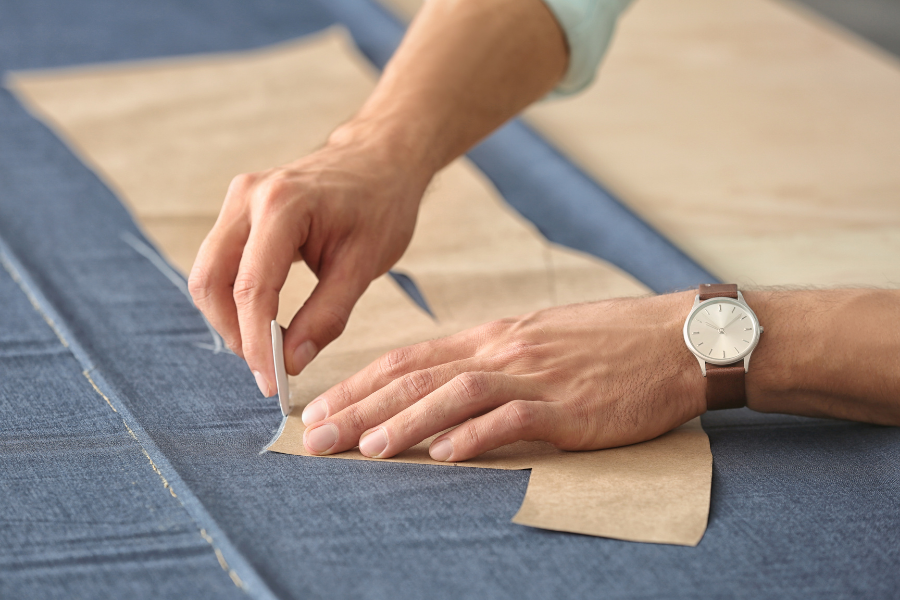
Teach the full process from the beginning: pressing seams, pinning before sewing, and backstitching at the start and end of each seam. These habits feel tedious to a child in a hurry, but introducing them now means they are automatic by the time projects get complicated. A tote bag sewn from two rectangles of cotton canvas takes about 45 minutes from cut to finished handle and gives a child something they will actually use and show off. That combination of speed and usefulness is exactly what keeps this age group engaged. Our sewing classes Asheville program introduces machine sewing to children in this age range with exactly this kind of project sequence.
Fabric choices that help, not hinder
Avoid slippery fabrics like rayon or satin at this stage. They shift under the presser foot in ways that require experience to manage. Stick with quilting cotton, cotton canvas, or cotton-linen blends. All three are available in prints that appeal to kids without sacrificing sewability.
Building Toward Garments: Ages 11 to 14
Pre-teens and early teens are often ready for their first wearable garment, and the right pattern choice here matters enormously. Elastic-waist skirts and pull-on pants are the best entry points because they involve no button holes, no zippers, no waistband interfacing, and no set-in sleeves. The Oliver + S patterns designed for older children and the True Bias Marlo Hoodie (a beginner-friendly knit top) are good examples of patterns scaled to develop skills gradually without overwhelming a new sewist. A beginner sewist at age twelve working on a Grainline Studio Stowe Bag will learn how to interface fabric, sew clean corners, and install a magnetic snap, all without touching a zipper.
This is also the age to introduce fabric shopping as part of the project. Bringing a twelve-year-old to a fabric store and letting them choose their own print builds investment in the finished piece. They are more likely to work through a frustrating fitting moment if they personally chose the fabric. Talk through fabric behavior together: a quilting cotton will hold its shape for a skirt, but a drapey rayon challis will flow and move differently on the body. Explaining the tradeoff gives them decision-making tools they will carry into every project after this one. Keep in mind that pressing becomes critical at this stage: every seam should be pressed before the next one is sewn. That single habit separates a polished result from one that looks homemade in the wrong way.
Frequently Asked Questions
What age can a child start using a sewing machine?
Most children are physically ready around age seven or eight, but readiness also depends on the individual child's ability to follow multi-step directions and sit focused for 20 to 30 minutes. Always supervise early machine sessions and teach foot and needle safety before the first stitch. Starting on a basic mechanical machine with a slow speed setting is better than a computerized one.
What is the best fabric for a child's first sewing project?
100% cotton quilting fabric is the most forgiving choice for a first machine project. It grips the feed dogs, presses flat, and does not fray aggressively. For hand sewing with very young children, stiff wool felt is ideal because it does not shift and holds its shape without pinning.
Do children need their own sewing machine?
Not at first. Sharing an adult machine with supervision works well through the early learning stages. If a child is sewing consistently and wants their own machine, look for a simple mechanical model with adjustable speed, like the Brother CS6000i, rather than a toy machine, which often produces frustrating stitch quality.
How do I keep a child from getting frustrated mid-project?
Choose projects that finish in one or two sittings, pre-cut all pieces before the child sits down, and build in a visible milestone every 15 to 20 minutes. Seam ripping is part of sewing, not a failure, so normalize it early. Frame mistakes as information: "the fabric moved, so next time we will pin closer to the edge."
Are sewing classes better than learning at home?
Both work. Classes give children peer energy, a dedicated instructor, and structured progression. Learning at home offers flexibility and one-on-one attention. Many families do both: start at home with hand sewing, then enroll in a structured class when the child is ready for machine work and more complex projects.
What safety rules matter most for young sewists?
Keep fingers away from the needle path, never sew over pins placed perpendicular to the seam, unplug the machine when threading or changing the needle, and always use a thimble when hand sewing with metal needles. The University of Nebraska-Lincoln Extension program recommends establishing a clear "stop" signal children can use if they need the instructor to take over immediately (University of Nebraska-Lincoln Extension).
Which indie patterns work well for teen sewists?
True Bias Marlo Hoodie, Grainline Studio Scout Tee, and Closet Core Sienna Maker Jacket (for more advanced teens) are all well-written patterns with clear instructions. Look for patterns that include a skill level rating and a technique list so you can assess fit before buying.
Find the Right Project for Every Young Sewist at Sewing Studio Fabrics
Whether you are buying felt and yarn for a four-year-old or hunting down the right quilting cotton for a ten-year-old's first tote bag, the fabric choice is where every project starts. At Sewing Studio Fabrics, we carry natural-fiber fabrics that actually behave well for young learners, along with a full range of indie sewing patterns from designers like Grainline Studio and True Bias. If you want guided instruction for the young sewist in your life, our sewing classes Asheville program offers age-appropriate instruction in a hands-on studio setting. Shop our full fabric collection at sewingstudio.com or stop by our Asheville store to get recommendations in person.