


Age-Appropriate Sewing Projects for Young Crafters
Key Takeaways
Matching a sewing project to a child's age and fine motor development keeps frustration low and confidence high. The best beginner projects use forgiving fabrics like quilting cotton, skip fiddly closures, and produce something the young maker actually wants to use. A few well-chosen tools and clear guidance go further than any elaborate project kit.
- Choose projects based on the child's hand strength and attention span, not just their stated age.
- Quilting cotton and fleece are the most forgiving fabrics for kids aged 5 to 10; wovens with clear grain lines work well for tweens and teens.
- Simple straight-stitch projects like pillowcases and tote bags build real skills without overwhelming new sewists.
- Hand sewing projects are a strong starting point for children under 8 before they move to a machine.
- Structured guidance from an adult or a class setting dramatically reduces the chance of a child giving up mid-project.
Why Age and Skill Stage Matter More Than Ambition
It is tempting to hand a ten-year-old a pattern for a zippered pouch because it looks achievable, but if that child has never threaded a needle independently, the zipper will be the last thing they ever attempt. Sewing ability follows a predictable developmental arc tied to fine motor control, spatial reasoning, and patience. A six-year-old can manage a felt bookmark with a running stitch. A twelve-year-old with a year of machine experience can cut out and sew a simple elastic-waist skirt using a beginner-level indie pattern. Aligning the project to where a child actually is, not where you hope they will land, is the single biggest factor in whether they come back to the sewing table tomorrow.
Hand Sewing Projects for Ages 5 to 8
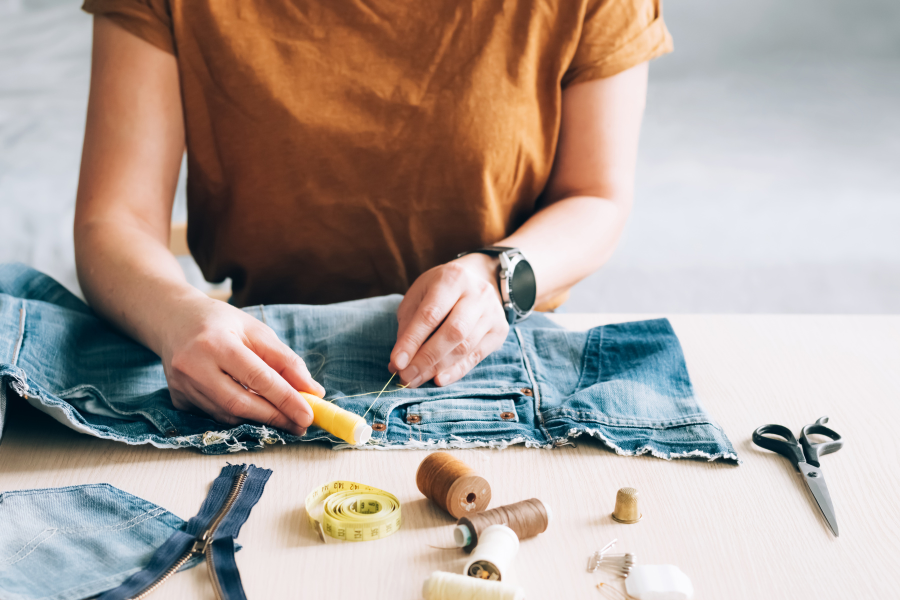
Children in this age range are still building the hand strength and finger coordination needed to push a needle through multiple fabric layers reliably. That makes hand sewing the right starting point. The goal is not a perfect product; it is the physical repetition of pulling thread through fabric and tying a secure knot. Projects that work well at this stage include felt finger puppets, simple sachets filled with dried lavender, and no-sew fleece knotted blankets that transition naturally into a first hand-stitched border.
Use a blunt tapestry needle, size 18 or 20, with a large eye that a child can thread without help. Perle cotton thread in a contrasting color makes each stitch visible and gives kids immediate feedback on their spacing. Felt is the ideal fabric here because it does not fray, needs no pressing, and holds its shape while a small hand guides the needle. One smart project: a 5-by-5-inch felt phone or toy holder with two sides whip-stitched together on three edges. It takes about thirty minutes, requires no cutting beyond simple rectangles, and produces something the child will actually carry around.
What to Avoid at This Stage
Skip any project that requires following a printed pattern, pressing seam allowances open, or managing slippery fabric. Satin ribbon, organza, and even standard quilting cotton can shift too easily when a young child holds the work. Stretchy knit fabrics add another variable that even intermediate adult sewists find tricky. Save those for later. Keep the material list to two pieces of felt, a length of thread, and a needle. Success at this stage is finishing the project and wanting to start another one.
Machine Sewing Introductions for Ages 8 to 11
Around age 8, many children have the hand-eye coordination to guide fabric along a straight seam line and the foot control to manage a machine's speed pedal. Starting on a mechanical machine rather than a computerized one removes one layer of confusion. Set the stitch length to 2.5mm and use a standard presser foot so the child can see exactly where the needle meets the fabric. The first machine project should be a single straight seam: sew two rectangles of quilting cotton together, press the seam, and call that a success worth celebrating.
From that foundation, a simple pillowcase is a natural second project. The envelope-style pillowcase, sometimes called the burrito method, requires only straight seams, no pins through multiple layers simultaneously, and produces a useful finished object in under an hour. Tote bags are equally strong beginner projects at this age. A 14-by-16-inch tote in a medium-weight quilting cotton with two fabric handles teaches straight stitching, backstitching at the beginning and end of a seam, and pressing. Those three skills form the core of nearly every garment project a young sewist will attempt later. If you are looking for a structured setting to introduce machine sewing to a child, our sewing classes Asheville program offers age-appropriate instruction with all tools provided.
Fabric Choices That Build Confidence
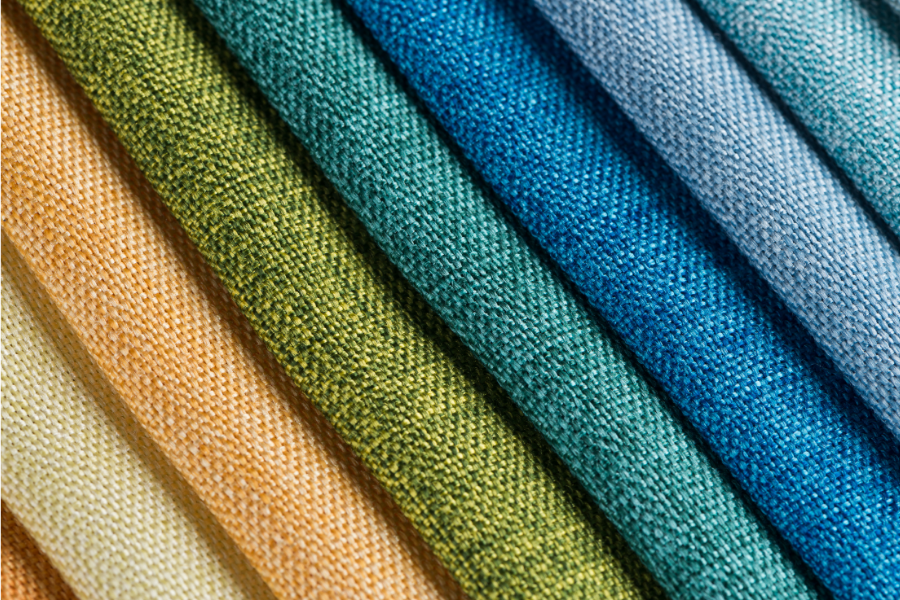
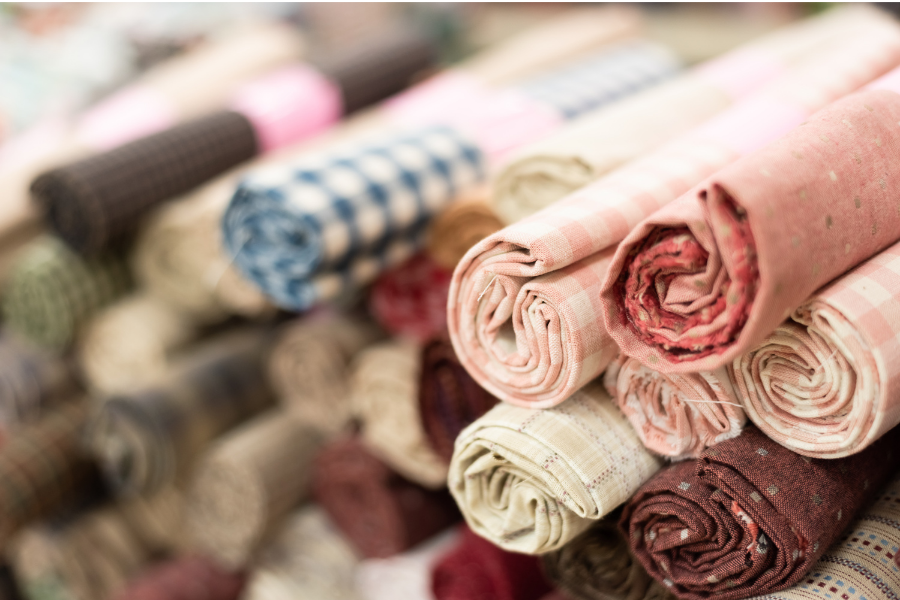
Pre-washed quilting cotton in a 44-inch width is the best teaching fabric for this age group. It presses crisply, feeds evenly through a standard presser foot, and shows topstitching clearly. Avoid canvas or denim for first projects: they are too stiff for a child to pivot at corners. Fleece works well for a first stuffed animal or drawstring bag because it does not fray, but it can be slippery without a walking foot, so watch for that. One honest tradeoff: quilting cotton wrinkles easily in a child's hands as they work, which can shift seam allowances. Cutting pieces 1 inch larger than the finished dimensions and trimming down after sewing helps manage that without requiring pinning expertise.
Pattern-Based Projects for Tweens and Teens Ages 12 and Up
A young sewist who can sew a straight seam, press a seam allowance, and cut fabric accurately is ready to follow a printed pattern. This is a meaningful step. Reading pattern instructions, understanding grainlines, and transferring markings require abstract reasoning that younger children often lack. For ages 12 and up, beginner-rated indie patterns from designers like True Bias or Grainline Studio are excellent choices. The Grainline Studio Scout Woven Tee, rated for beginners, involves a simple neckband and set-in sleeves without complicated shaping, and it produces a wearable garment that a teenager can style their own way.
Elastic-waist skirts and pull-on pants in stable woven fabrics like a medium-weight linen-cotton blend are equally strong starting points. Closet Core's Pietra Pants pattern, for example, offers a drawstring waist option that removes the need for a zipper on the first attempt. Encourage young sewists at this stage to choose their own fabric. A teen who picks out a print they genuinely love will push through the harder parts of construction because the end goal feels personal. Matching fabric weight to the pattern's suggestion is worth explaining clearly: a lightweight rayon that drapes will not behave like the quilting cotton they learned on, and naming that difference before cutting prevents a lot of frustration at the seaming stage.
Frequently Asked Questions
What is the right age to start teaching a child to sew?
Most children can manage supervised hand sewing with a blunt needle around age 5 or 6. Machine sewing typically suits ages 8 and up, though readiness varies by individual fine motor development. The more useful question is whether the child is asking to try, because motivation matters more than age for early success.
Do I need a special sewing machine for kids?
Not necessarily. A basic mechanical machine with a simple presser foot and an accessible speed control works well. Avoid machines with a minimum stitch speed that is too fast to control. Some families use a floor pedal extender so a child's foot reaches comfortably. A machine that is set up safely on a stable table is more important than buying a child-specific model.
What fabrics are easiest for children to sew with?
Felt and fleece are the most forgiving because they do not fray and hold their position while a child guides them. Pre-washed quilting cotton is the best choice for machine sewing at the beginner level. Avoid slippery fabrics like satin, charmeuse, or standard rayon until a young sewist has at least six months of machine experience.
How long should a beginner sewing project take a child?
Aim for projects completable in one to two focused sessions of thirty to sixty minutes each. A project that stretches past two sittings often loses momentum, especially for children under 12. A finished felt puppet in one hour does more for long-term interest in sewing than a half-finished tote bag sitting on the shelf for three weeks.
Are there sewing classes specifically for kids in Asheville?
Yes. Sewing Studio Fabrics offers structured sewing classes Asheville area families trust for young makers. Classes are taught in a hands-on setting with all materials provided and instruction tailored to the child's current skill level, from first needle and thread work through basic machine projects.
Can a child learn to sew from YouTube videos alone?
Video tutorials help with visual technique like threading a needle or loading a bobbin, but they cannot give real-time feedback on posture, fabric handling, or tension issues. A child learning entirely from video is likely to build small bad habits that take longer to correct later. Pairing videos with occasional in-person guidance produces much better results.
What notions should I buy for a young beginner?
Start with a blunt tapestry needle in size 18 or 20, a pair of children's fabric scissors with real cutting blades (not craft scissors), perle cotton thread, a few pieces of felt, and a seam ripper. Avoid overwhelming a new young sewist with a full notion kit. Adding tools gradually as projects require them keeps the setup approachable and the focus on making.
Start Your Young Maker on the Right Project Today
The projects a child finishes early in their sewing life shape how they see themselves as makers for years to come. A well-matched project in a fabric they chose themselves, backed up by clear guidance from an adult or a skilled instructor, builds genuine skill and genuine confidence at the same time. If you are ready to find quality quilting cotton, beginner-friendly indie patterns, and the right notions to set a young sewist up for success, we have everything you need. Shop our curated fabric selection at sewingstudio.com or visit us in Asheville.