


Activewear Sewing: Working with Performance Fabrics
Key Takeaways
Performance fabrics reward sewists who prep carefully and match their tools to the material. Success with activewear comes down to four things: the right needle, the right stitch, the right seam finish, and understanding how each fabric type behaves under stretch and sweat. Get those four right and you can sew leggings, sports bras, and base layers that actually hold up.
- Use a ballpoint or stretch needle (size 75/11 or 90/14) to avoid skipped stitches and fabric damage.
- A serger or a narrow zigzag stitch handles stretch seams far better than a standard straight stitch.
- Fabric content matters: nylon-spandex is slicker and more durable than polyester-spandex for high-impact activities.
- Prewash activewear fabrics without fabric softener, which degrades the spandex fiber over time.
- Flat-lock seams reduce chafing on leggings and base layers that sit close to the skin.
What Makes Performance Fabrics Different From Regular Knits
Most sewists learn knit construction on cotton jersey or a ponte, and that experience helps. But performance fabrics built for activewear bring their own set of challenges. These materials are engineered to stretch 50 to 100 percent in multiple directions, wick moisture away from the skin, and hold their shape through repeated wear and washing. The spandex content (usually 10 to 30 percent) is what gives them that recovery, and it is also what makes them unforgiving when you use the wrong needle or press them with too much heat. Knowing what the fabric is designed to do helps you sew it in a way that preserves those properties rather than fighting them.
Choosing the Right Fabric for Your Activewear Project
Not all performance fabrics are the same, and the activity you are sewing for should drive your fabric choice. Nylon-spandex blends like Supplex or PowerLift fabric are dense, smooth on the back side, and recover beautifully after intense stretching. They work well for leggings, bike shorts, and sports bras that take real punishment. Polyester-spandex fabrics (often sold as interlock or brushed athletic knit) are more affordable and come in more printed options, but they pill faster and can trap more odor over time. For yoga wear or low-impact movement, that tradeoff is perfectly reasonable. Moisture-wicking mesh is another category entirely: open structure, great airflow, but tricky to cut and sew because the holes distort under presser foot pressure. If you are new to activewear sewing, a mid-weight nylon-spandex with 20 percent spandex is the most forgiving place to start.
Reading the Fabric Stretch Gauge
Most activewear patterns include a stretch gauge on the pattern envelope, usually a 4-inch reference mark that you fold a 4-inch piece of fabric against to confirm it stretches to 6 or 8 inches. Always check this before cutting. A fabric that does not meet the stretch requirement will produce garments that are too tight to put on or that pop seams at the hips and seat. Patterns from True Bias, like the Roscoe Leggings, and Cashmerette's Minoru Jacket both include clear stretch gauges. Matching the gauge is not optional when you are sewing fitted activewear.
Needles, Stitches, and Serger Settings That Actually Work
A standard universal needle will skip stitches on spandex-blend fabrics about half the time. Swap it out before you cut a single piece of fabric. A ballpoint needle (also called a jersey needle) pushes fibers aside rather than piercing through them, which protects the spandex threads from breaking. For slicker nylon fabrics, a stretch needle adds a slightly different eye and scarf configuration that prevents skipped stitches caused by the needle deflecting at high speed. Size 75/11 works for lightweight fabrics under 200 GSM; go up to 90/14 for heavier compression knits.
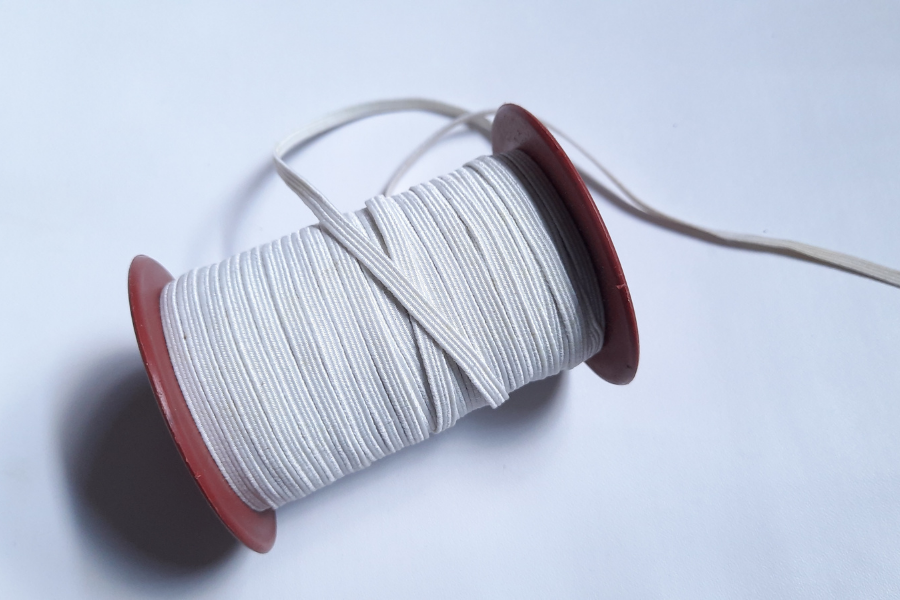
For stitching, a 4-thread overlock stitch on a serger is the gold standard for activewear seams. It sews, trims, and finishes in one pass, and the seam stretches with the fabric without popping. If you do not have a serger, a narrow zigzag (width 1.0, length 2.5) or a lightning bolt stitch on a standard machine works well. Avoid straight stitching seams in activewear even if the stitch looks neat; it will break the first time someone lunges or squats in the garment. For waistbands, fold-over elastic sewn with a zigzag is fast and comfortable, or you can use a wide clear elastic if the pattern calls for it.
Cutting and Pressing Performance Fabrics Without Ruining Them
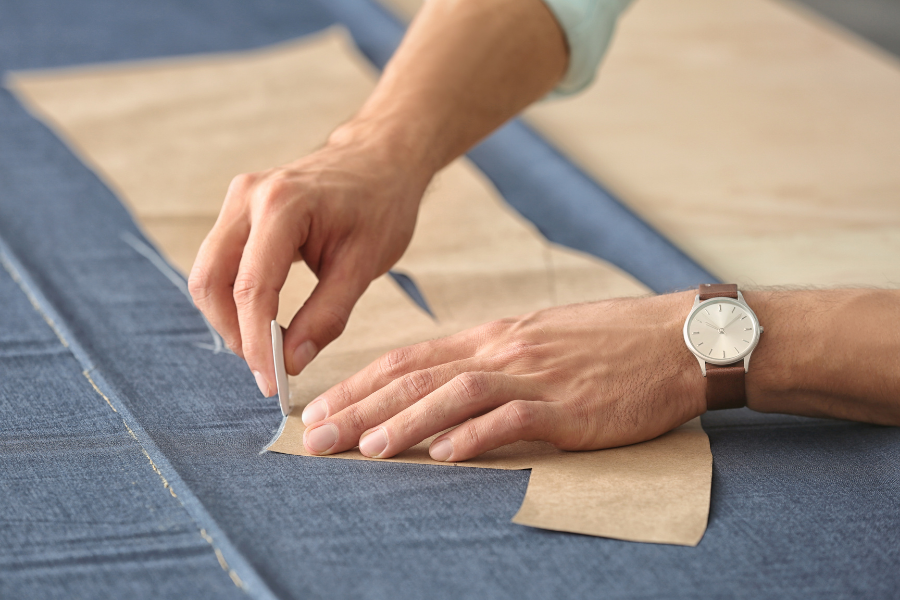
Performance fabrics are slippery, and they shift under rotary cutters if you are not careful. A few techniques make a real difference. Lay the fabric on a cutting mat with the wrong side up, smoothing it flat without stretching. Use pattern weights rather than pins, which distort the cut edge. Rotary cutters give cleaner lines on lycra-based fabrics than scissors, especially on curves. Cut single-layer if the fabric slides when doubled; it takes longer but the pieces stay accurate.
Heat is where many sewists damage performance fabrics. Spandex and nylon both melt or distort at temperatures that would be completely safe for cotton. Set your iron to the synthetic or low setting and always press from the wrong side. Use a pressing cloth as a buffer, especially on printed performance fabrics where direct heat can lift or crack the print. Avoid pressing stretch seams by dragging the iron along them; instead, lift and place to keep the seam from elongating. If a seam looks wavy after stitching, lightly steam from above rather than pressing down with the iron plate.
Pins, Clips, and Stabilizing Curved Seams
Long curved seams on leggings, like the inner leg and crotch curve, have a tendency to stretch out during sewing because the fabric feeds unevenly under the presser foot. Walking feet help, but so does sewing with the fabric grain running correctly and not pulling the fabric from behind while you guide it through. For the crotch seam specifically, sewing it twice, once at the seam allowance and once again 3 millimeters inside that, adds strength without bulk. Garments sewn this way survive the kind of repeated wear that tests every seam.
Frequently Asked Questions
What needle should I use for sewing activewear fabrics?
Use a ballpoint or stretch needle in size 75/11 for lightweight fabrics and 90/14 for heavier compression knits. These needle types prevent skipped stitches by pushing fabric fibers aside rather than punching through them. Change your needle at the start of every project because a dull needle on spandex-blend fabric causes laddering and missed stitches faster than on woven fabric.
Can I sew activewear without a serger?
Yes. A narrow zigzag stitch (width 1.0 to 1.5, length 2.5) or a lightning bolt stitch on most modern machines will handle activewear seams well. The key is using a stitch that stretches with the fabric. A straight stitch pops under pressure. Finishing the seam allowances separately with a wider zigzag after stitching gives you a clean, durable result without a serger.
Why does my activewear fabric look wavy after sewing?
Wavy seams usually mean the fabric was stretched as it fed through the machine, or the stitch length was set too short. Try easing your grip on the fabric behind the presser foot and letting the machine feed it at its own pace. A walking foot also helps distribute the feed evenly, especially on slippery nylon-spandex. Reducing stitch density (longer stitch length) often resolves the problem on lightweight fabrics.
What is the best pattern for beginner activewear?
True Bias Roscoe Leggings and the Straight Stitch Society Marlo Hoodie are both approachable first projects. Both use simple construction with minimal curved seams, and the pattern instructions are clear about fabric requirements. If you want guided practice before sewing independently, sewing classes Asheville cover activewear fundamentals with hands-on support.
How do I keep activewear elastic from rolling at the waistband?
Use the correct elastic for the application. Knit elastic and clear elastic both work for activewear waistbands, but they behave differently. Knit elastic is softer and less prone to digging in; clear elastic holds a firm edge. Sewing the elastic in a channel (fabric folded over and stitched twice) keeps it more stable than exposed elastic stitched flat. Make sure the elastic is not stretched too aggressively when you stitch it in place.
Does prewashing activewear fabric matter?
Yes, and the method matters too. Machine wash in cool water and skip the fabric softener entirely. Fabric softener coats spandex fibers and reduces their elasticity over time, according to Lycra brand care guidelines from The LYCRA Company. Tumble dry on low or hang dry. Prewashing also removes any finishing treatments applied during manufacturing that can interfere with stitching or cause the fabric to shrink slightly after the garment is made.
What stitch length should I use on a serger for activewear?
A stitch length of 2.5 to 3.0 mm on a 4-thread overlock works well for most activewear fabrics. Shorter stitch lengths produce denser, less stretchy seams. Longer lengths leave more space between stitches and can look loopy on lightweight fabrics. Test on a scrap piece with your actual thread and tension settings before serging the final pieces, because tension varies by machine brand and thread weight.
Start Sewing Activewear With the Right Fabric and Support
Performance fabric sewing is genuinely satisfying once you understand how the materials work. A pair of leggings cut from quality nylon-spandex and sewn with proper stretch seams will outlast most ready-to-wear activewear you can buy at the same price point. The investment is in your tools, your fabric choice, and a little practice time. Our fabric selection at Sewing Studio Fabrics includes performance knits, fold-over elastic, ballpoint needles, and patterns from True Bias and Cashmerette specifically chosen for garment sewists. Shop our curated fabric selection at sewingstudio.com or visit us in Asheville.